





Doctor recommends flu, shingles vaccines for those over 50
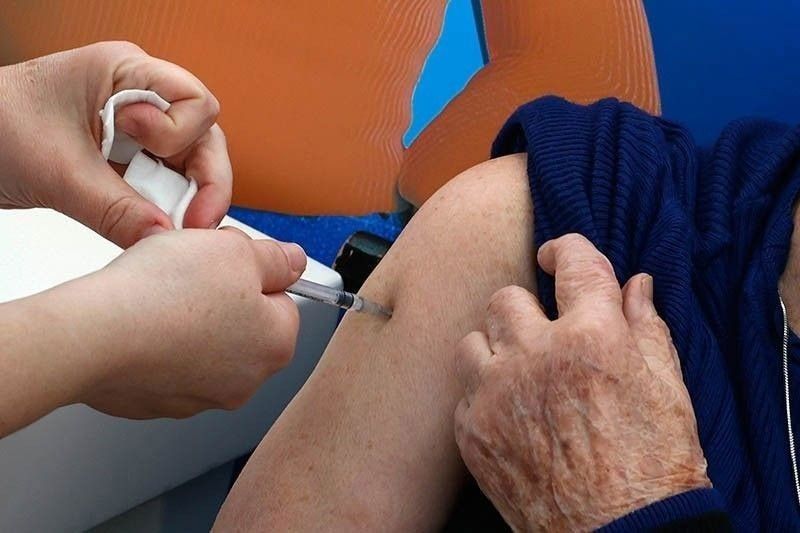
MANILA, Philippines — Vaccines are a must for babies and children. The same can be said for adults whose immune systems are weakening over time.
Dr. Ryan Raymond Y. Bautista of Makati Medical Center explains that vaccines help builds resistance against illnesses that could land a person in the hospital, render one disabled, or threaten one's life.
"As we grow older, our immune system weakens, whether due to age or diseases like cancer, autoimmune disorders, and HIV," he also says. "Vaccinations not only protect us; they protect others too by preventing the spread of contagious viral and bacterial infections."
Perhaps the primary vaccine older adults should attend to are influenza shots, ideally every year between February and June just before flu season in the Philippines begins.
These vaccines are a must for senior citizens and immunocompromised individuals as weak immune systems may be attacked by constantly mutating viruses.
Influenza — noticeable by high fever, chills, aching bones, a sore throat and runny nose — is transmitted through respiratory droplets (by coughing, sneezing, or just talking) and by touching contaminated surfaces then the eyes, nose, or mouth.
RELATED: What is osteoarthritis, the joint issue cited by Jinggoy Estrada
"Though you can expect to get better in about a week, the flu can progress to pneumonia, bronchitis, and the worsening of pre-existing conditions like asthma and heart disease," Dr. Bautista explains.
Respiratory syncytial virus or RSV is often mistaken for the common cold because of similar symptoms (nasal congestion, persistent cough) however, the former also includes difficulty breathing and wheezing, which could be complicated by pneumonia, asthma, and middle ear infections.
The doctor said RSV vaccines can be obtained in hospitals and private clinics, and since it's not an annual shot, at-risk adults and the elderly can make do with a single dose.
Dr. Bautista also recommends adults aged 50 years old and voce to get the pneumococcal vaccine which can either be Pneumococcal Conjugate Vaccines (PCVs like PCV13, PCV15, and PCV20) and
Pneumococcal Polysaccharide Vaccine (or PPSV23).
This as the Streptococcus pneumoniae bacteria can lead to fatal diseases like meningitis and sepsis.
"I advise those who are immunocompromised to receive shots for these vaccines, and those aged 65 and up who are in relatively good health to get one dose of PVC20, or one dose of PCV15 followed by one dose of PPSV23," the doctor says.
RELATED: How one man’s fight for survival shaped Asia’s largest dialysis network
The risk of shingles, a viral infection that causes nerve pain and a painful rash, increases with age. Getting over shingles' trademark burning and pus-filled rashes also doesn't guarantee permanent immunity, though second bouts are rare.
Dr. Bautista explained that the shingles vaccine protects one from the varicella-zoster virus — which also causes chickenpox —just about completely, and by about 85 percent four years after its two shots are taken.
"In case you get shingles again despite the vaccines, expect to experience less severe symptoms," he adds.
Lastly Dr. Bautista recommends the vaccine for Tdap: Tetanus, Diphtheria, and Pertussis or whooping cough, all of them serious diseases.
Tetanus from bacteria in soil, dirt, and animal manure affects nervous system, diphtheria bacteria can affect breathing and swallowing on top of harming the heart, kidneys, and nerves, and pertussis bacteria affects coughing, which can be serious for the elderly.
The Tdap is a booster shot first given to kids from ages 7 to 18, then every to adults every 10 years. The doctor says the vaccine protects one from tetanus and diphtheria by 95 % and from pertussis by 70%.
RELATED: Suffering from back pain or tech neck? 'Tummy time' might solve problem


