





When peeing too much or too little becomes cause of concern
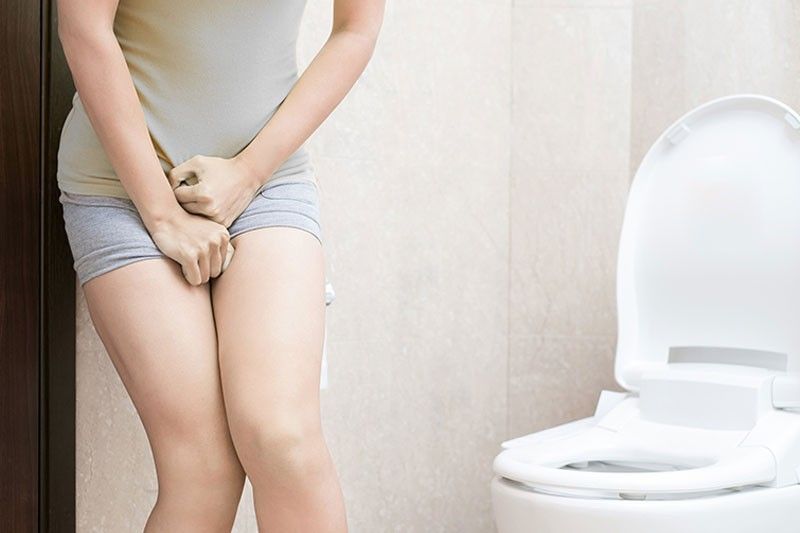
MANILA, Philippines — Sometimes you think you’ve been taking trips to the comfort room too often. There are times, though, when you feel like you’re on a dry spell because you have been peeing too little and at such long intervals. You cannot seem to make up your mind as to whether you have been peeing too much or too little because there is no pattern, and so you get a little giddy and worried because, for all you know, something is already wrong and you do not even know it.
After all, urinating, or peeing — or micturition, which is its official term — is a natural and necessary function of a healthy human body.
“Urination helps cleanse the body of toxins, excess sodium and fluid, and metabolic waste,” explained Rolando Guillermo O. Saulog, MD, a Urology doctor at Makati Medical Center (MakatiMed).
But how often should you really go to the bathroom? Are you actually peeing too much or too little, and shouldn’t this make you worry?
On the average, a person pees between six and seven times a day, but taking more (or less) trips to the bathroom shouldn’t automatically be a cause for concern.
“If you go only four times in a 24-hour span, it is fine. And if you go 10 times, that’s okay, too,” said Dr. Saulog, who further explained that the number of times you urinate per day depends on several factors.
These factors — and how they affect the frequency of your urination — are:
Age. “As we grow older, our bladder (which stores urine) does not expand as much, so it fills up faster, making our visits to the bathroom more frequent. Menopause and the decreasing production of the estrogen hormone can also affect bladder function,” the doctor said.
What and how much you drink. Diuretics, such as alchohol and caffeinr, prompt the kidneys to release extra fluid from the blood vessels.
"Consume copious amounts of coffee, tea, beer, or wine, and you can expect to spend a lot of time in the toilet," the urologist warned.
Pregnancy. Mothers-to-be can chalk up peeing often to hormonal changes (an increase of progesterone relaxes the muscles, including those in the bladder), extra fluid and blood produced by the body, and weakened pelvic floor muscles due to an expanding uterus.
Specific medical conditions. The doctor said that if you feel the need to urinate often but only release small amounts, it can actually be a sign of urinary tract infection (UTI). Diabetes can also cause frequent urination since it is the body's way of emptying the bloodstream of excess sugar.
Low potassium, too much or too little calcium, an enlarged prostate, congestive heart failure, painful bladder syndrome, and kidney issues can also cause the frequency of bathroom breaks.
Medicines you take. Dr. Saulog said that certain medicines for diabetes and mental health can influence more frequent urination than average.
“Diuretics in pill form are given to individuals with high blood pressure, heart failure, edema, kidney disease, and liver disease," the doctor added.
Bladder size. “A man’s bladder can hold as much as 700 ml. of urine, while a woman’s bladder can store about 500 ml,” Dr. Saulog said.
On the other hand, MakatiMed said, oliguria or urinating only one to two times in 24 hours (that’s peeing less than 400 to 500 ml. a day) could be due to dehydration, blockages in the urinary tract, or infection.
Red flags and what to do about it
So, what red flags should you really be looking for? When should you see your doctor?
“Definitely when your peeing includes pain or a burning sensation, or when pain is felt in your lower back, pelvis, or genitals,” said Dr. Saulog. “Blood in the urine is also a cause for concern, as is incontinence or difficulty controlling your pee.”
Other signs that should make you seek professional help: Urine that is cloudy, dark, and foul-smelling.
There are tests that you can take to help pinpoint the exact reasons why you tend to pee too often (or too much) or too little. The most basic is a urinalysis, with the results giving doctors an idea of the color, appearance, and microscopic contents of the sample urine so that the doctor can give proper diagnosis and treatment.
There is also a kidney functioning test, which relies on a blood test and urine sample to gauge how well the kidneys are working. Then there are imaging tests (x-ray, ultrasound, MRI, CT scan) that will reveal if peeing too much or too little comes from a pre-existing or newly discovered medical condition.
There is also a uroflowmetry test (available in MakatiMed) that can be utilized to assess a person’s bladder condition. It is a simple, non-invasive test used to evaluate how the bladder is working, often to detect why a patient has a frequent urge to urinate, a weak or slow urinary stream, a difficulty in starting urination, or a feeling that the bladder is not empty after urinating.
“Healthy living ensures efficient and natural urination,” reminded Dr. Saulog. “Stay hydrated. Eat fruits and vegetables and foods rich in probiotics; they may help address recurring UTI. Avoid too much caffeine and alcohol. Pee and cleanse using an unscented soap after sexual intercourse to lower your risk of developing UTI. Women can also reduce the risk of UTI by wiping from front to back after peeing.”
But the most important thing to remember, said Dr. Saulog, is “Do not hold back your pee. Go when you feel like it.”
RELATED: Common urinary health issues among adults: Risks, prevention, solution


