





Say ‘kilawin’ instead of ‘Filipino ceviche’, okay?
Food carries memory, history and identity. Help keep your language alive on plates around the world.
How do we open both our minds and palates to the future of Filipino food?
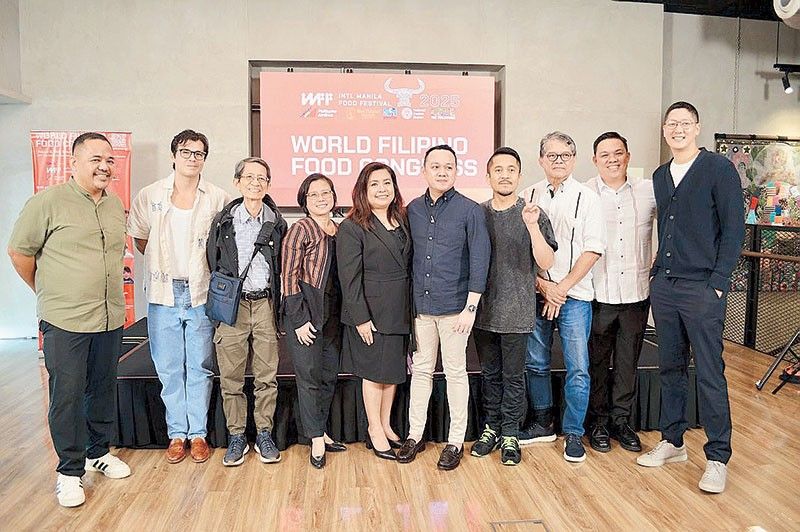
Last Aug. 9 at the Sheraton Manila Hotel, Newport World Resorts, chefs, educators, and food advocates from around the world gathered for what felt like a homecoming. The International Manila Food Festival brought together voices from the Philippines and abroad, but one day stood out for its urgency and energy: the first World Filipino Food Congress.
For perhaps the first time, three culinary schools — Le Cordon Bleu Ateneo de Manila Institute, CCA Manila, and Enderun Colleges — came together to tackle the most pressing questions about our cuisine. These weren't polite conversations over cocktails. These were the raw, necessary discussions that could reshape what we eat, how we grow it, and how we tell its story to the world.
Right now, we're trained to think about food in such short-term ways. Where should we eat this weekend? What's trending on TikTok? What's the quickest meal option? But what if we thought bigger? Here are the lessons that could change how you see every meal, starting with your next one.
Call It what it is
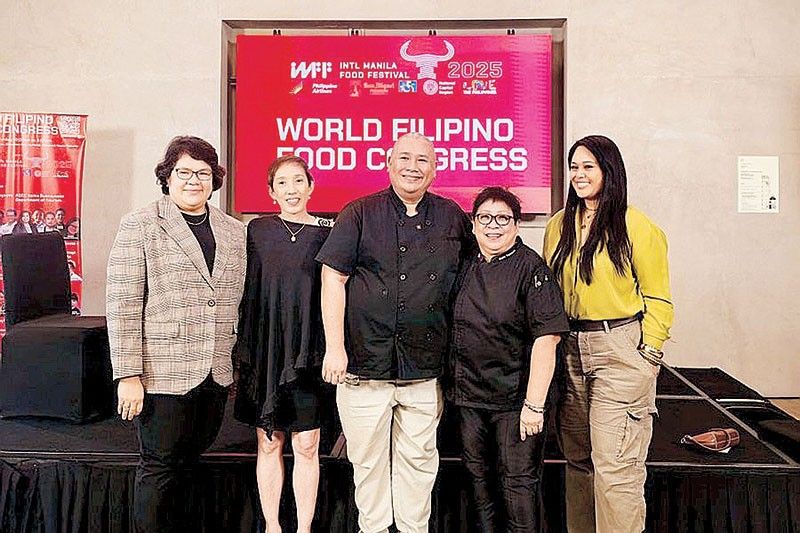
The room fell silent when chef Myrna Segismundo, veteran chef and restaurateur, spoke with quiet conviction: "It's kilawin, okay? Sashimi and sushi are not English words, but it's known all over the world. So let's please start calling our food, whether it's Bisaya. We have to own these dishes."
This wasn't about being difficult or exclusionary. It was about dignity. Names carry power, and every time we say "kilawin" instead of "Filipino ceviche," we're claiming space for our culture in a world that often wants to translate us into something more familiar.
Erwan Heussaff, entrepreneur and founder of FEATR, drove the point deeper: "Once you lose a dish, you lose a part of who you are."
So start today. Use Filipino names without apology. Teach them to your friends. Correct servers gently but firmly. Every time you do this, you're helping to keep our language alive on plates around the world.
Beyond Bahay Kubo: the great vegetable challenge
John Sherwin Felix, founder of Lokalpedia, stood before the audience with a challenge that left the room in uncomfortable silence. People shifted in their seats, embarrassed. Could they name vegetables beyond those mentioned in the famous Bahay Kubo song?
The silence was telling.
"We don't emphasize enough what we already have here, and that's why people forget it exists," he explained. His own food memory captured something profound: "One of my earliest food memories is my mom showing me how to clean worms from produce. She submerged it in water, and while we waited, she told me stories about that food. It taught me that food carries memory, history, and identity."
Felix's quiz revealed a sobering truth: Many Filipinos struggle to name indigenous vegetables beyond the handful celebrated in a children's song. When he lectures in universities, asking students to list 18 vegetables not in Bahay Kubo, most students can't complete the task.
Here's your challenge: Visit your local market without a shopping list. Ask vendors about vegetables you don't recognize. Every new ingredient you discover is a piece of heritage reclaimed.
Cook with the earth, not against it
Chef Reggie Aspiras, culinary educator and cookbook author, painted a vivid picture of her childhood: "My very first memory of food is I come from a political family. Food to me always meant huge pots and pans for fiestas. It was always visible, always present."
But then came her wake-up call about modern eating habits: "One of the problems why a lot of people are sick is because we're not eating by the cycle anymore. Maybe we should look into eating what the earth grows at a certain time of the year. Eat by the cycle, plant by the season. It's good for our health and for the farmers."
She touched on something deeper, too: "Growing up, all our parents cooked. Now, it's sad to say, most mothers don't — maybe by necessity, because both parents have to work."
The solution? Let what's in season guide your meals. Visit the palengke with curiosity rather than a rigid list. It's healthier, more sustainable, and connects you to ancestral wisdom.
Break the vegetable shame cycle
Chef Lilibeth "B" Camposano, founder of The Sexy Kitchen by B and plant-forward culinary consultant, addressed an uncomfortable truth that hangs over Filipino dining: "The stigma that eating vegetables is only for the poor is something we need to break."
But she's doing more than talking about it. "As a chef, I express the flavors of vegetables and fruits in my menu to make people see them differently." Her work proves that plant-forward Filipino food isn't about restriction — it's about celebrating abundance.
Stop apologizing for vegetables on your plate. When you make pinakbet, post it with pride. When you serve ampalaya, celebrate its bold bitterness. Make vegetables the star, not the reluctant supporting cast.
Learn the why behind the how
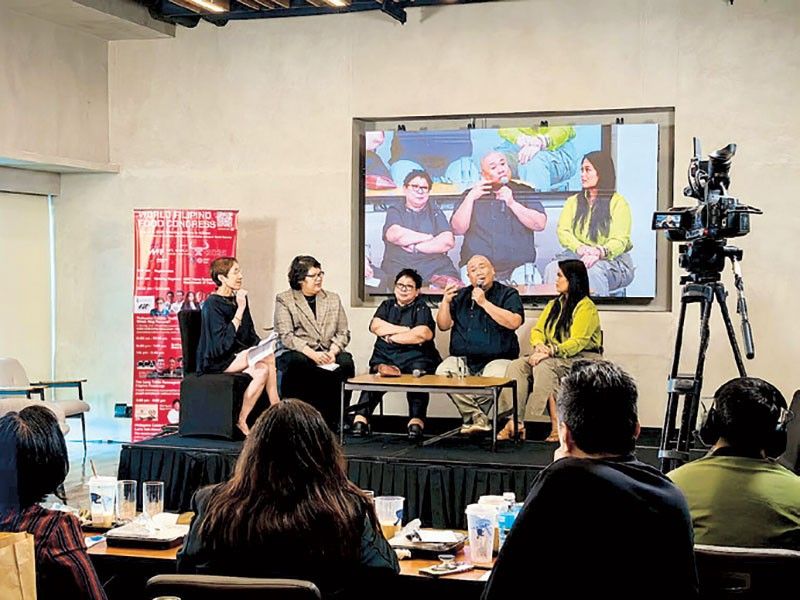
During Enderun's education panel, chef Myrna shared crucial wisdom: "We need to start with the young and educate them early about the Filipino food they're eating. I've worked with chefs who know how to cook, but not why. That's where education becomes essential. When you understand the 'why,' you become more creative, more innovative, and more deeply connected to the culture of your country."
Rosanne Nicollette Eleazar, a professor and gastronomy scholar, brought the conversation back to the classroom and challenged culinary schools about traditional tools: "I don't think in culinary we teach them how to use the palayok. It's quite difficult. It takes a lot of time, but I think it's one of those things where using local equipment tools matters deeply.”
Ask your elders not just "how" but "why." Why does Lola add garlic last? Why does clay pot rice taste different? These aren't just techniques. They're cultural DNA waiting to be understood.
Navigate Innovation without losing soul
The Le Cordon Bleu panel on modern versus traditional Filipino food sparked passionate debate. Chef Kenneth Cacho, the country executive chef of Unilever Food Solutions Philippines, offered a framework: "Innovation is fine, but misnaming a dish is the real problem."
Chef Claude Tayag provided perspective that resonated across the diaspora: "Each generation will have their own adobo, shaped by the environment and ingredients around them."
For Filipino-Americans, chef Tara Monsod offered crucial validation: "It's still authentic because it's authentic to us as Filipino Americans."
Chef Angelo Comsti reminded everyone: "What's traditional for you may not be traditional for me."
You don't need to choose between honoring tradition and embracing innovation. Respect the essence, adapt with purpose. Innovation and tradition can coexist when you adapt with respect.
Support farmers like your future depends on it
Ramon "Chinchin" Uy Jr., co-founder of Fresh Start Organics and international councilor for Southeast Asia at Slow Food International, connected farming to our environmental future: "The environmental cost of food is largely determined by how it's produced." He drew inspiration from Italy's resistance to fast food culture: "Slow Food started in the 1980s when the first McDonald's opened near the Spanish Steps in Rome. Italians, protective of their food culture, fought to preserve it. That's the spirit we need here."
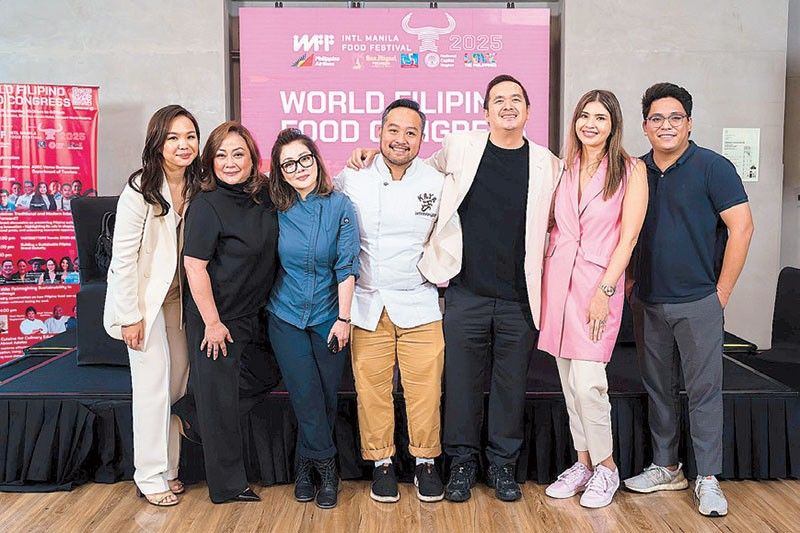
Chef Lordfer Lalicon, chef-owner of Kaya in Orlando, the first and only Filipino restaurant to earn a Michelin Green Star, proved sustainable Filipino cuisine works: "If we talk about sustainability and locality, it's about sourcing from the farms near you. Different places will have different ingredients. We just need to keep an open mind."
During the CCA Manila panel, he added perspective from the diaspora: "As a Filipino American, the sinigang packet was the only way for me growing up. But as a chef, I realized it's more than tamarind — I've made starfruit sinigang. At its heart, it's about sourness and using what's around you."
Your grocery choices are votes for the food system you want. Support regenerative farmers. Know where your ingredients come from. Choose local when possible.
Share stories, not just photos
Nicole Ponseca, James Beard Award finalist, the restaurateur behind NYC's groundbreaking Maharlika and Jeepney, and author of I Am a Filipino, delivered statistics that silenced the room: "There are 4.6 million Filipinos in the US, yet Filipino restaurants make up less than one percent of the market." She painted an even starker picture: "Currently in the United States, in the hospitality industry, what dominates Asian cuisine is Chinese cuisine at 39 percent, Japanese at 28 percent, and Thai food at 11 percent. In the United States, there are only 354,000 Thai people and Filipinos are 4.6 million." Despite social media visibility, many Filipino restaurants are closing.”
Her insight cut deep: "Without familiarity, non-Filipinos can't form a relationship with our food."
When you post about Filipino food, tell the story behind it. Explain why sisig matters beyond its Instagram appeal. Give context about your grandmother's recipe and why specific steps matter. Build bridges, not just engagement.
Remember: Every meal is a choice
Chef Tatung Sarthou, bestselling cookbook author, digital content creator, and founder of Simpol PH, left everyone with a challenge: "Before defining Filipino food for the world, ask what Filipinos are eating in their homes." He warned against superficial representation: "Don't use Filipino food as a brand to get clout. If it doesn't deliver the memory, it's not Filipino food."
The conversations at Newport World Resorts revealed that Filipino food isn't just surviving — it's poised to lead the world if we make smarter choices.
But it starts with what you choose to eat. What if we thought about food like caring for a garden? What if we made food choices for the long run?
Food is power. Every plate is a vote. Every meal is a chance to feed, protect, and build. Your daily food choices are your daily power. Use them wisely and boldly. Use them to create a food future that feeds people well and makes us proud to be Filipino.
* * *
Follow the International Manila Food Festival (@intlmanilafoodfestival) to get your copy of the white paper.


