


3 Pancit dishes worth seeking out in Cagayan and Isabela
TUGUEGARAO CITY, Philippines — Want to live longer? Eat noodles.
That’s the belief behind the Filipino tradition of serving pancit at birthdays, where long strands symbolize a long life. In Cagayan Valley, though, you hardly need an occasion to eat them.
In Tuguegarao City in Cagayan province, pansiterias seem to be everywhere. Turn onto a street and there’s likely another sign advertising noodles; drive a little farther and you’ll find another shop serving its own take on the region’s beloved comfort food.
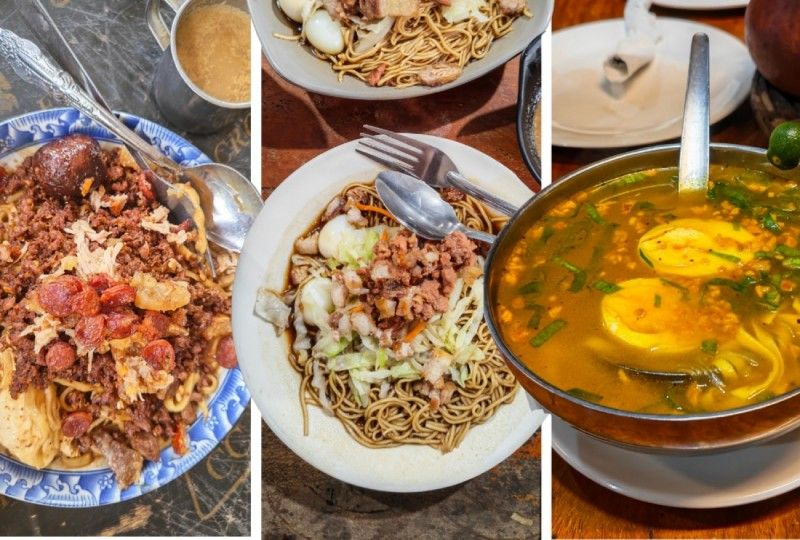
Here, pancit is less of a special-occasion dish and more of an everyday staple. And Cagayan Valley has plenty to choose from: the Pansit Batil-Patong of Tuguegarao, the Pansit Cabagan of Isabela, and the lesser-known Sinanta, a comforting noodle soup.
If you’re heading up north, here are noodle dishes worth making room for.
1. Pansit Batil Patong

When the Michelin Guide unveiled its first Philippine selection, Chie Chie’s Pancit Batil Patong was among the Michelin Selected spots, putting the no-frills Makati stall alongside some of the country’s more polished dining destinations.
In Tuguegarao, though, Batil Patong hardly needs an introduction. Every pansitan has its own take, but the familiar base remains: Tuguegarao miki, ground carabao meat, pork liver, vegetables and a poached egg, with mung bean sprouts adding crunch.
On the side is Batil, the savory egg-drop soup, usually eaten with chopped onions and condiments like soy sauce, vinegar calamansi and sili.
The miki itself can be part of the experience. Traditional Tuguegarao miki is made by working dough through a Kabayu, a traditional noodle press, then cutting the pressed and folded dough by hand. The result is a flat noodle with an irregular, almost rustic shape, which is quite different from the uniformly cut noodles produced mechanically.
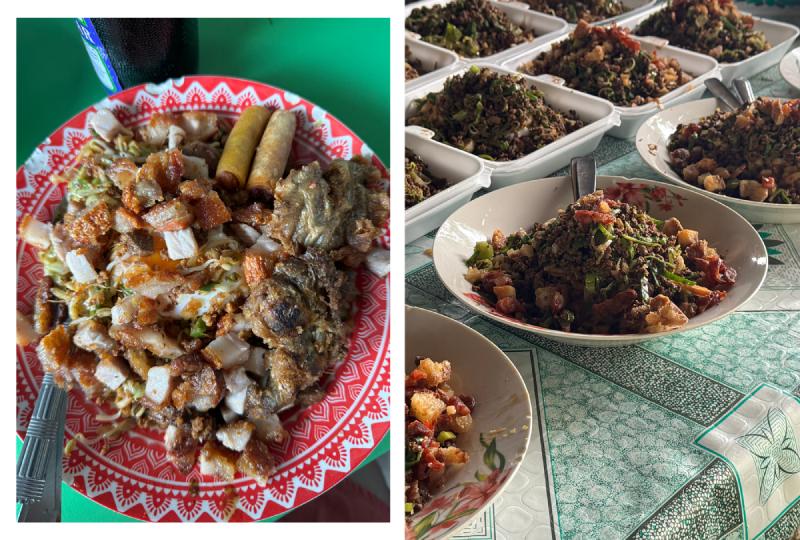
Order Batil-Patong from two different pansiterias, and you may end up with two very different-looking plates.
Some come with Tuguegarao longganisa, lechon karahay, lumpia, chicharong bulaklak or chorizo, while others go as far as adding balut. Others pile on vegetables or stick to the old-school combination of miki, carabao meat, liver and bean sprouts. Pansiterias also offer different tiers — special, super special and other variations — that generally mean bigger portions or more sahog.
But these loaded versions seen around Tuguegarao today are the result of years of tinkering. Writer and museum researcher Jan Karl Coballes’ earlier work on Pansit Batil Patong traces how its now-familiar toppings came to be. Customers once brought their own ingredients — like pork liver — to have added to their noodles. By the 1990s, liver had become a more established part of the dish, while other customer-driven additions helped inspire the toppings found in some pansiterias today.
In other words, Batil Patong has always had room for a little customization. What started as a much simpler noodle dish in Tuguegarao’s early local pansiterias gradually became the loaded, highly individual plates served across the city today.
2. Sinanta

If Batil Patong is the noodle dish you’ll find all over Tuguegarao, Sinanta is the one you’re more likely to encounter at an Ibanag gathering than on a restaurant menu. Fortunately, a few local restaurants now serve it, too.
In Cagayan, the Cagayan River has long been a part of life, and its influence extends to the local table.
Sinanta traditionally brings together ingredients from both land and river: Laddit, a flat egg noodle, rice vermicelli and chives, along with chicken and pork, and most importantly, Ala — a small freshwater clam found in the Cagayan River. These are simmered together in an atsuete-infused broth that gives the soup its distinctive golden hue.
The result is a lighter kind of noodle dish, warm and comforting without the heaviness of a stir-fried pancit. The broth is savory with a gentle seafood richness, while the laddit and rice vermicelli give it a satisfying mix of textures.
It’s especially good on cool days, including around Christmas when the breeze in Tuguegarao turns pleasantly chilly. Sinanta is also commonly enjoyed with puto, making for a comforting merienda or light meal.
And this is not usually a dish made for just one person. Sinanta is often cooked in large kalderos for family occasions, gatherings, pabasa during Holy Week, funerals and other communal occasions.
3. Pansit Cabagan
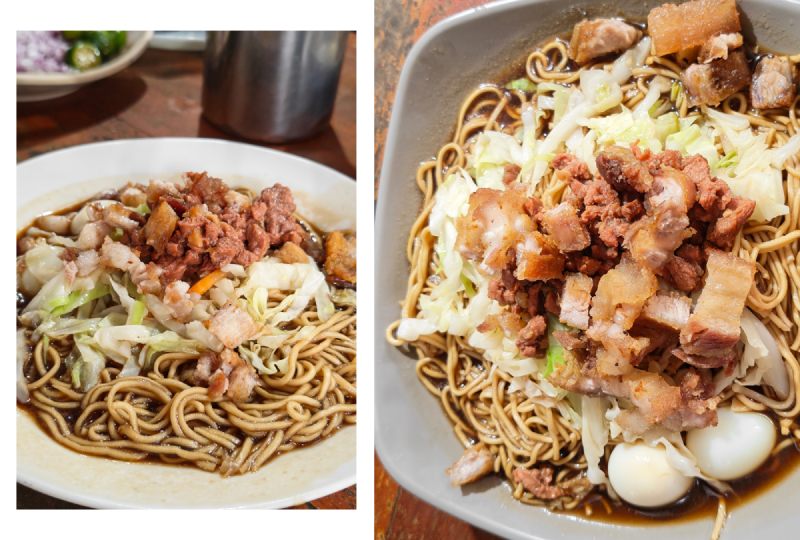
Drive a few hours away from Tuguegarao and into Cabagan, Isabela, and the pancit starts to take on a different character.
Pansit Cabagan is known for its saucy, savory preparation. Fresh, medium-thick miki noodles are tossed in a rich sauce that coats the strands, then topped with sahog like pork, fresh vegetables, crispy lechon carahay and boiled quail eggs. Some versions also come with liver and other meat toppings.
The result is a hearty plate with plenty of contrast: chewy noodles soaked in savory sauce, crisp vegetables, rich pork and crunchy bits of lechon. The generous vegetables add freshness to an otherwise indulgent dish, making every bite a mix of different textures and flavors.
The dish is so closely tied to the town that Cabagan celebrates its native noodle industry through the annual Pansi Festival.
But Pansit Cabagan didn’t stay in Cabagan. It eventually made its way to other nearby towns like Tuguegarao, where it’s also served alongside the city’s own Batil Patong.
If there’s one thing these three dishes make clear, it’s that there’s no single way to enjoy noodles in Cagayan Valley. Each dish has its own character, but all are worth making room for.
RELATED: Filipino Food Month 2026: Iloilo serves love on platefuls of favorites