





Beyond Activ founder Ross Campbell on longevity, muscle and the human element in fitness
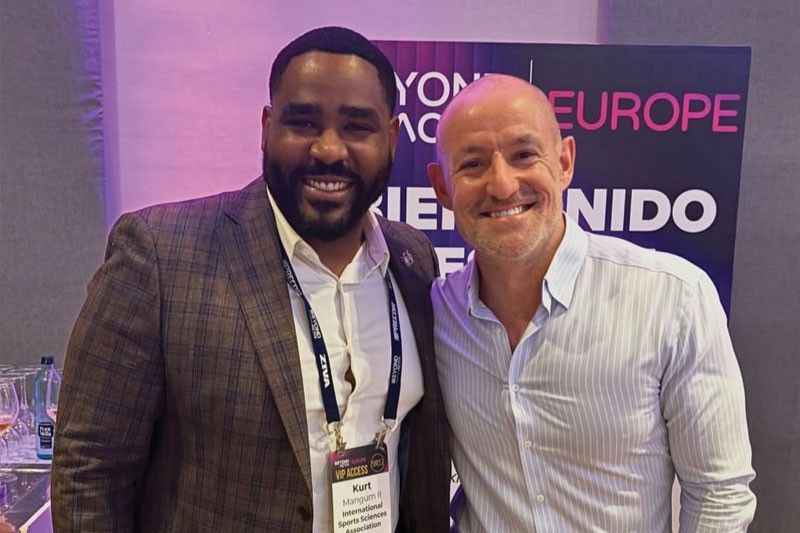
When global wellness leaders gathered for Beyond Activ Europe 2026, the conversations shifted away from quick-fix workouts toward longevity, functional strength and integrated healthcare.
What do these global developments mean for everyday health enthusiasts and local gym entrepreneurs? I sat down with my friend Ross Campbell, founder and CEO of Beyond Activ, for insights into vital matters shaping the future of well-being.
THE PHILIPPINE STAR: Longevity, one of the biggest buzzwords today, is something many believe can be prioritized in their senior years. Has that belief changed globally?
ROSS CAMPBELL: The biggest strategic realization right now is that people prioritize longevity at age 35, not 75. In Europe, projections indicate that nearly 30 percent of the population will be over age 55 by 2035. If gym operators and individuals wait until consumers are already elderly, it’s simply too late to build the physiological foundation needed for healthy aging. The real opportunity for investment and the crucial window for personal health sits squarely in midlife prevention. We are talking about muscle preservation, metabolic health, bone density and proactive lifestyle coaching. It’s about shifting the narrative from living longer to living better, stronger and more independently for decades.
GLP-1 medications have disrupted the wellness conversation globally. How are they affecting the way we approach exercise?
GLP-1 medications present a massive strategic turning point for the industry. Historically, weight loss has been the primary reason millions of people join a gym or start a diet program. When pharmaceutical options make rapid weight loss achievable outside the gym, fitness providers are forced to reposition exercise around what medication cannot do: preserve lean muscle mass, build bone density, and foster long-term vitality. Rather than treating weight-loss drugs as the enemy, forward-thinking leaders are building dedicated support systems around them. This means specialized coaching focused on resistance training, high-protein nutrition, body composition tracking, and behavior change to ensure that the weight lost is fat, not vital muscle tissue.
One of the major focal points at Beyond Activ Europe was women’s health. How is female fitness evolving?
Women’s health is finally being recognized as a serious commercial category and operating standard, rather than just a seasonal marketing campaign. The data shows a profound disconnect between old marketing tropes and what women actually want. For instance, a dataset out of Poland revealed that only about seven to eight percent of women over age 40 cited aesthetics as their primary motivation for exercise. Instead, stress relief, relaxation, community and healthy aging were the dominant drivers.
At the same time, strength training remains severely underpenetrated among the women who need it most. Data indicates only about 15 percent of women aged 40 to 49 regularly use strength equipment, despite its critical role in metabolic and bone health. We are seeing major movements across Europe, such as David Lloyd Clubs introducing mandatory female health education for their personal trainers and group exercise teams. Facilities are also rethinking operational details from sight-lines and equipment placement to lighting and changing room privacy to ensure female members feel completely comfortable from the moment they step inside.
What are the biggest differences in layout of a state-of-the-art gym today compared with one from five years ago?
Cardio floors lined with endless rows of ellipticals and stationary bikes are losing real estate. Strength training has officially replaced traditional cardio as the biggest user of floor space. Racks, dumbbells, functional turf areas and Hyrox-style event training zones are dominating space because consumers want functional, strength-based workouts.
Equally important is the explosion of social, play-led movement. Formats like padel, pickleball, run clubs and event-based training work remarkably well because they make physical activity culturally engaging and socially rewarding rather than feeling like a chore. To reach the vast majority of the population that still doesn’t belong to a gym, we have to make movement feel like play and community.
AI is transforming every industry, from Answer Engine Optimization (AEO) to automated workflows. Where does tech end and human connection begin in health and fitness?
Technology is collapsing traditional search funnel. Consumers are no longer browsing dozens of search pages; they are asking AI agents like ChatGPT, Gemini, or Perplexity to recommend the best option based on structured data, reviews, and clear pricing. Answer Engine Optimization (AEO) is replacing traditional SEO. Internally, operators are deploying AI agents to handle lead follow-up, administrative work and retention workflows so teams can spend more time actually talking to members.
However, despite all this advanced technology, the industry still has a glaring vulnerability: many clubs continue to “fail at the hello.” Members can walk into a facility and receive zero acknowledgment or warm greeting from the staff. Before investing heavily in complex AI systems, longevity suites or expensive recovery gadgets, operators must fix basic human service and hospitality. Technology should streamline administrative friction, but genuine human warmth and empathy will always be the foundation of member retention.
What are the best takeaways from this event for fitness enthusiasts and entrepreneurs?
There are four key takeaways. First, don’t wait until you’re older. Start investing in your longevity at age 35. Prioritize muscle retention, joint health and metabolic balance well before senior years arrive. Second, prioritize strength. Resistance training is the ultimate insurance policy for body composition, bone density and long-term independence. Third, seek a community. Movement is most sustainable when tied to social formats, functional events, or group activities. Fourth, value hospitality. Whether choosing a fitness facility or building a routine, human connection and warmth remain irreplaceable.
How are European fitness providers turning exercise into true preventive medicine?
It comes down to establishing credible protocols and fostering public-private integration. Physical inactivity is no longer just a personal lifestyle issue; it is a massive economic strain, costing markets like Spain over €7 billion annually in healthcare costs and lost productivity. Spain’s national exercise prescription program is a prime example of where the industry is heading. Under this model, medical doctors can directly refer sedentary patients to certified sports units within both public and private fitness facilities. However, for fitness operators globally to unlock doctor and insurer referrals, the industry must raise its operational standards. We cannot claim healthcare relevance while underinvesting in trainer education, standardized outcome tracking, and safety protocols. When fitness professionals are equipped with rigorous clinical knowledge and verifiable data, exercise moves from an optional leisure activity to an essential preventative healthcare intervention.
* * *
Post me suggestions and feedback at mylenedayrit@gmail.com.


