MarJo makes history before its free TV premiere

For Marvin Agustin and Jolina Magdangal, also known as MarJo, the magic has always been in how naturally they fit together. Decades after becoming one of the most recognizable love teams of the ‘90s, the two are once again sharing the screen in “Mommy Guard,” a new afternoon series that brings nostalgia, comedy and a refreshing dose of life lessons to today’s viewers.
But while their reunion may be an invitation to revisit the past, MarJo is hardly content to live there.
With “Mommy Guard,” Marvin and Jolina are proving that longevity in show business is not simply about having a beloved onscreen partner. It is also about putting in the work, staying open to new audiences and finding stories worth telling at every stage of one’s career.
Months, months before the pilot aired yesterday on Netflix, I have witnessed the relentless workshops, screen tests, mall shows, promotions and online content that Marvin and Jolina put in to get the word out there about their new series, which is directed by Roman Perez Jr.

The series arrives with a milestone of its own. Before its free-to-air premiere on TV5, “Mommy Guard” got a Netflix release just yesterday, making it the first original afternoon series from TV5’s Hapon Champion block to be carried by the streaming platform. It is a notable development for a genre traditionally associated with the weekday television habit of Filipino households and Netflix is more often than not choosing primetime local content to offer in their platform in advance.
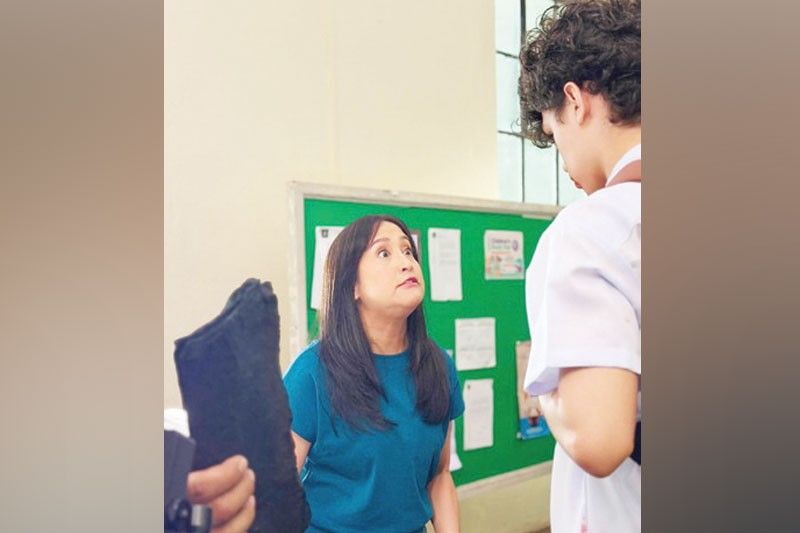
For a show led by a tandem whose popularity was forged in the pre-social media era, the opportunity to reach viewers across platforms is especially fitting. MarJo is returning to the afternoon slot, but the audience waiting for them is no longer limited to those who grew up watching them.
There is a reason Marvin and Jolina’s partnership continues to feel effortless. Their familiarity is unmistakable, but familiarity alone does not guarantee good television.
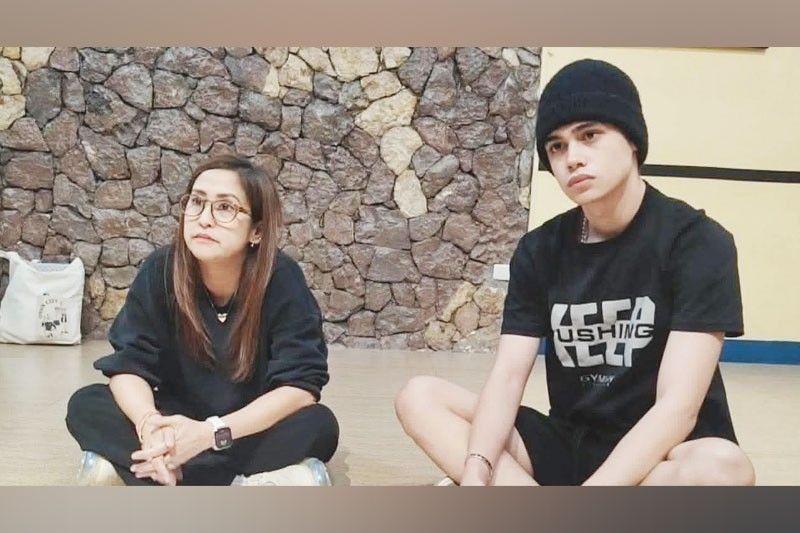
The two have spent years building an onscreen rhythm that audiences recognize. Yet, rather than assume that their old chemistry will automatically do the job, they continue to approach their craft with preparation and a willingness to work through the demands of new production and entertainment landscape conditions.
That combination of ease and effort is what makes their reunion interesting. They may already know how to play off each other, but they still have to serve the characters, the story and the audience in front of them and agree that teamwork is to be pushed forward in a landscape where there is an abundance of content choices.
For Jolina, returning to a TV series with Marvin brings an immediate sense of comfort, even as the project introduces her to a new professional environment at TV5.
She shared that she felt at ease almost immediately, with Dominic Ochoa also adding to the familiar atmosphere on set. For longtime MarJo fans, Dominic’s presence is another welcome reminder of the companionship that helped make their era so memorable.
Marvin, meanwhile, described the project as something fresh and enjoyable. He teased that viewers would fall in love with Jolina’s character, while pointing to the series’ lighter tone as a welcome change from the heavier material that is dominating the Filipino landscape of today.
That distinction matters. Actors do not always need to chase the most dramatic material to demonstrate growth. Sometimes, the challenge lies in making comedy feel spontaneous, relationships believable and everyday situations entertaining without losing their emotional truth.
And that is where Marvin and Jolina’s familiarity becomes an asset and is not a shortcut, but a foundation on which they can build something new.
In “Mommy Guard,” Jolina plays Tina, a mother and security guard, whose professional responsibilities are only part of the story. Marvin plays Pio, the owner of the school where Tina works.
The premise gives the series room to explore the humor and complications of everyday life while bringing attention to people whose work often goes unnoticed.
Security guards are fixtures in schools, offices, residential communities and commercial establishments. They are frequently the first people we encounter when entering a building, yet their own experiences can remain invisible behind their uniforms.
Tina’s story offers an opportunity to look beyond the job description and recognize the person doing the work — the parent balancing responsibilities, the employee navigating challenges and the individual deserving of the same courtesy extended to everyone else.
Jolina said that this was one of the reasons she was drawn to the project. She believed it is time to give security guards greater recognition and acknowledge that they, too, have feelings, struggles and concerns.
Her message is particularly relevant in a culture where service workers can sometimes be treated as though their responsibilities make them less deserving of patience or respect.
A security guard is not merely someone assigned to enforce rules or stand watch. That person has a life beyond the post, a family to care for and challenges that may never be apparent to the people passing by.
Through Tina, “Mommy Guard” can remind viewers that dignity should never depend on a person’s job title.
What makes the series promising is its ability to deliver that message without turning every episode into a lecture.
At its core, “Mommy Guard” is designed to entertain. The comedy, playful exchanges and familiar MarJo dynamic give viewers a reason to tune in, while its everyday situations create room for lessons that resonate beyond the screen.
Kindness is one of the lessons and so is hard work: the idea that doing one’s job well, even when the work is not glamorous, deserves recognition.
Simplicity is another recurring virtue worth celebrating, particularly in a world that often equates success with visibility, status and spectacle, especially in a world right now where most people are victims of the flex culture without many things to flex in reality.
These values do not have to be delivered through grand speeches. Sometimes, they are best communicated through the way characters treat one another, the decisions they make and the consequences they face.
That is the appeal of accessible family entertainment. It can make people laugh first and leave them thinking afterward.
For parents watching with their children, the series also creates opportunities to talk about respect for workers, responsibility at school and home, and the importance of seeing people as individuals rather than stereotypes.
A lighthearted show can still have substance. In fact, its messages may travel further precisely because viewers are having fun while receiving them.
One of the most touching aspects of Marvin and Jolina’s reunion is their discovery that their appeal has reached younger viewers, who did not necessarily grow up during their original heyday.
Her reaction speaks to something special about pop culture: nostalgia may begin with one generation, but it can become a shared experience when stories and personalities are passed along.
The MarJo phenomenon belongs to a time before social media transformed celebrity culture. Their popularity was built through TV appearances, projects and the audience’s investment in their onscreen partnership. Today, clips, online conversations and renewed interest can introduce that history to people who missed it the first time around.
Their return is therefore not simply an exercise in recreating the past. It is an opportunity to see what remains compelling about their partnership when placed in a different story and a different TV landscape.
Ultimately, no amount of nostalgia can carry a series on its own. The audience must still find the characters engaging, the storytelling worthwhile and the experience entertaining enough to return for the next episode.
That is why the work behind a reunion matters. Workshops, preparation, collaboration and the willingness to keep learning are parts of ensuring that a familiar tandem remains relevant rather than becoming a tribute to its former glory.
Marvin and Jolina have the advantage of a natural rapport, but “Mommy Guard” also asks them to serve a story about work, family and the people who quietly help keep communities running.
Their challenge is to make Tina and Pio feel like people audiences want to spend time with, not simply characters played by two stars they already love.
With its Netflix release ahead of its TV5 premiere, the series also has a chance to find viewers beyond the traditional afternoon audience. That is a welcome development for Philippine TV, where stories created for a familiar viewing slot can now find new life on streaming.
For Marvin and Jolina, the real achievement is not merely getting back together. It is making that reunion count.
And if “Mommy Guard” can leave viewers laughing a little harder, treating others a little more kindly and appreciating the people who work quietly around them, then this comeback will have accomplished something far more meaningful than bringing back a beloved love team.
“Mommy Guard” premiered Friday on Netflix ahead of its free-to-air debut on TV5, airing weekdays at 2:30 p.m. after “Eat Bulaga!”





- Latest
- Trending


 Exclusive
 Exclusive