Why film archiving and education matter
MANILA, Philippines — Films are artifacts of culture, both material and non-material. As told through moving pictures, replete with sound and music, they document the objects and spaces people create and the beliefs they hold on to. Films capture a milieu, including its social and political climate. Embedded in them is the cultural identity of a nation.
That’s why films from the past and present should be preserved for people across generations. They are sources of cultural pride for a country and the region the latter belongs to.
Giving importance to the preservation of films, which should be made available to all, is a way to address cultural homogenization or dominance and the preference for this emerging trait over that existing, local one.
The recently held “ASEAN Film & TV Summit 2026,” hosted by the country through the Film Development Council of the Philippines (FDCP), reminded one about the importance of film archiving and education.
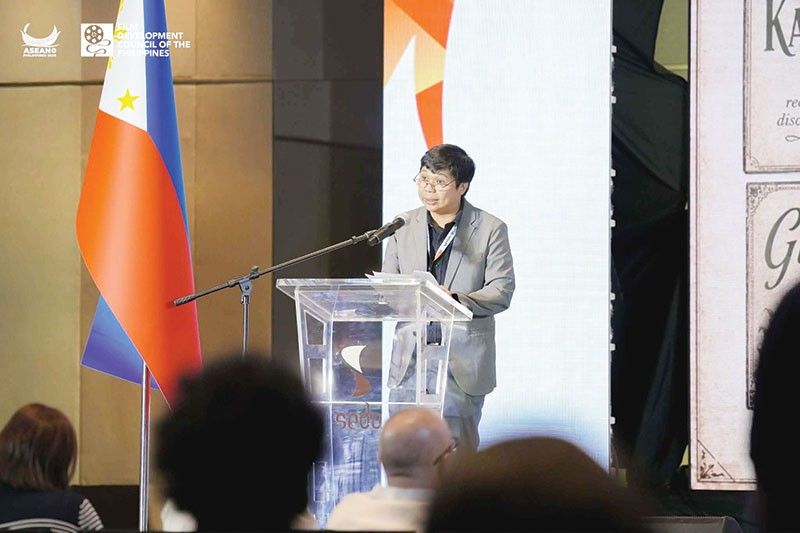
This paper had the chance to chit-chat with Dr. Patrick Campos, film professor at the University of the Philippines (UP) and the event’s keynote presentation speaker, and Jose Javier Reyes, chairperson and CEO of FDCP and a communication and film professor at the De La Salle University (DLSU).
“As part of the summit, I tried to imagine the idea of the film archive as a regional ecology,” said Campos of film archiving, which involves collection, cataloging, preservation and restoration. “So, it seems common that when we talk about film archives, we talk about them in terms of national film archives. We also think about them in terms of the work of collectives and communities.”
“So, I tried to historicize both national archives and collective archives and personal archives,” added he about his presentation. “But also I ended by thinking about — is there a possibility of imagining a regional archival ecology, where the archives of different places in the region can work together to preserve a kind of regional and not just national memory. That’s the idea.”
With that, national archives of ASEAN member nations should come together and share resources, like expertise, to strengthen the capacity-building skills of them as an interconnected and interacting collective institution in relation to their regional identity.
“The ability of different national archives is uneven,” said he. “Some archives are very strong, and they can help. And some others need some kind of support. But each archive is doing something unique and important. So, networking is a kind of important effort to help each other move forward.”
Reyes, on the other hand, shared that film archiving is “a respect for the past.” “And film is a good example, a good vehicle for establishing a cultural identity and that leads us to the present.”
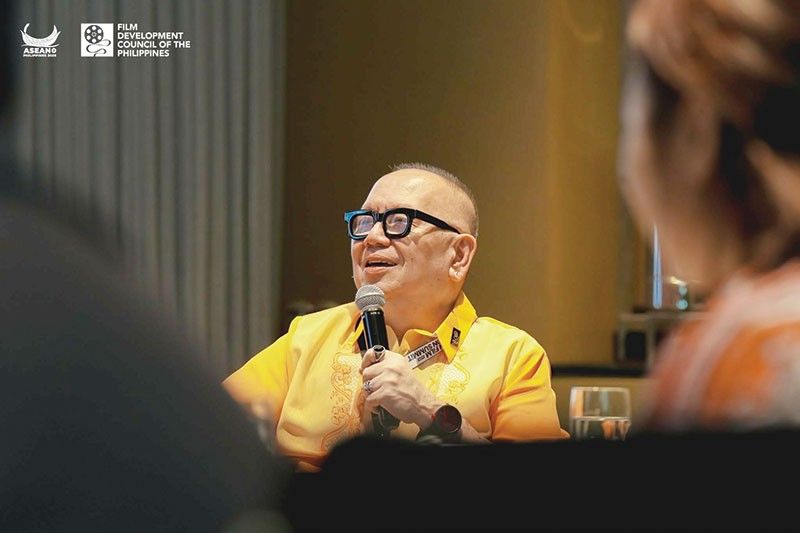
“If you’re able to look back at the past and study it and how it is related to why we became here in the here and now, then we gain a greater understanding of who we are,” added he, who has always felt that film and TV are in a way forms of education.
“It’s a way of, No. 1, sharing the culture, and then No. 2, interacting with other cultures, and then No. 3, developing the pathway for the future,” said he.
Speaking of the future, education is part of it, and film, TV, media and the Internet should be avenues and create opportunities for all, including the young people, to learn more about what it means to be a Filipino, as one could glean from his ideas.
Related efforts are designing a curriculum on film appreciation and filmmaking for junior and senior high school students; having specialized training that will develop and enhance one’s potential in the creative and technical aspects of film; mounting screenings and exhibitions; and having a content platform, as one could gather from the event.
These are ways to engage students and everyone with Philippine and ASEAN films and enhance their understanding about the aesthetics unique to their country and collective region. They may serve as strategies in film education.
“Alam mo yung naturalesa atsaka yung pagiging Pilipino (you should know the nature and inherent characteristics that make one Filipino) and be able to identify why we are who we are today. And I think a lot of our young generation really need to see who we were in the past and how we came to be who we are right now. And that will really determine what they can do to make us better in the future,” said Reyes.
As for the country’s film archiving, Campos said that there’s the Philippine Film Archive under FDCP. But he considered the idea of making the Philippine Film Archive a separate institution. So, it could further tap its potential, as one may put it, although it’s fulfilling its roles.
He wished that national archives should be supported as institutions.
“Actually, there are many individuals and communities that love cinema and are passionate about heritage and are already doing the work of institutional archives. Meaning, like in the Philippines, maraming mga efforts ng mga organizations and individuals (people and groups have made their own contributions). Hindi sila binabayaran ng kahit sino (they don’t get paid for it), but they make the possibility of the archive alive,” shared he.
It can be seen in the efforts made by private organizations like ABS-CBN, SOFIA (Society of Filipino Archivists for Film) and the Philippine Labor Movement Archive, added he. These entities, which are part of the film archiving ecosystem, also deserve support, and what’s next is to foray into an institutional endeavor.
These are done for the preservation of a nation’s cultural identity. That’s why film archiving and education matter.




- Latest
- Trending











 Exclusive