‘Property developers cut capex as housing glut weighs on sales’
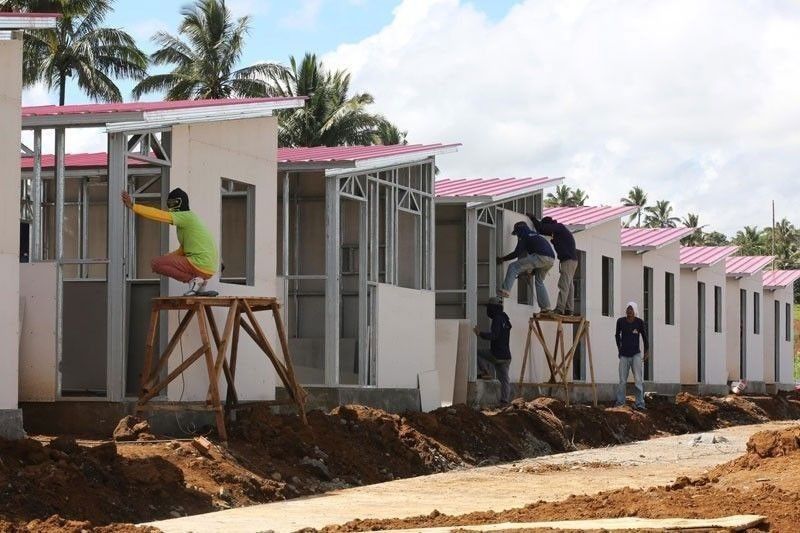
MANILA, Philippines — Philippine property developers are scaling back spending and shifting more capital toward income-generating assets as elevated housing inventories, higher interest rates and weaker purchasing power continue to weigh on residential sales, according to S&P Global Ratings.
In a report, S&P said elevated inventory would keep residential sales subdued, prompting developers to strengthen their balance sheets through tighter capital expenditure and a greater focus on investment properties.
“Elevated inventory levels will dampen residential sales. Developers are enhancing resilience through disciplined capital expenditure and increased focus on their investment portfolios,” S&P said.
The contraction in property sales narrowed to seven percent year-on-year in the first half from an 11-percent decline in 2025, but ready-for-occupancy inventory remained high, signaling that developers still have a sizable stock of completed units to sell.
S&P said developers are responding to the supply glut by pivoting toward more affordable residential projects outside Metro Manila, where supply and demand conditions are more balanced.
However, rising interest rates and weaker purchasing power could weigh on demand even in the mid-market and affordable segments over the next 12 months.
The ratings agency classifies high-end residential units as those worth at least P12 million each, while properties priced below P12 million are under the mid-end and affordable segments.
S&P expects the operating environment for Philippine developers to remain challenging this year. Its assumptions for the sector include a gross domestic product growth of 2.9 percent in 2026 and 5.4 percent in 2027, while inflation is projected at 5.5 percent this year before easing to 3.6 percent next year.
It cited supply-chain disruptions, the oversupply in Metro Manila, weaker purchasing power and rising interest rates as sources of uncertainty for consumers.
S&P also said domestic banks have become more cautious toward the property industry amid strains in the sector.
Against this backdrop, the four major developers covered in S&P’s aggregate analysis – Ayala Land Inc., Megaworld Corp., SM Prime Holdings Inc. and Robinsons Land Corp. – cut their combined 2026 capital expenditure budgets by 25 percent from their initial plans due to macroeconomic and industry uncertainties.
S&P said more of that spending would be redirected from residential development toward investment properties, which generate more predictable income and could help cushion developers against weak housing sales.
Recurring income, which includes regular earnings from assets such as malls, offices and other investment properties, has become an increasingly important buffer for developers.
S&P said stable recurring cash flows could offset softer residential sales while supporting steadier leverage and earnings.
Real estate investment trusts (REIT) are also giving developers additional funding flexibility by allowing them to recycle mature, income-producing properties into listed investment vehicles and redeploy capital elsewhere.
S&P said majority-owned REIT subsidiaries remain an important source of capital for developers through asset recycling.
Ayala Land received regulatory approval for a P19.5-billion asset injection into AREIT Inc., while Megaworld’s planned asset infusion is expected to increase the gross leasable area of MREIT Inc. by 47 percent in 2026.
Robinsons Land, meanwhile, has proposed a P10.6-billion asset injection into RL Commercial REIT Inc., which would increase the REIT’s gross leasable area by 14 percent.
The Philippine market contrasts with some of its Southeast Asian peers, although property developers across the region are also navigating softer demand, tighter financing conditions or both.


- Latest
- Trending