The creative minds that make ‘Bongga Ka ’Day’ truly bongga
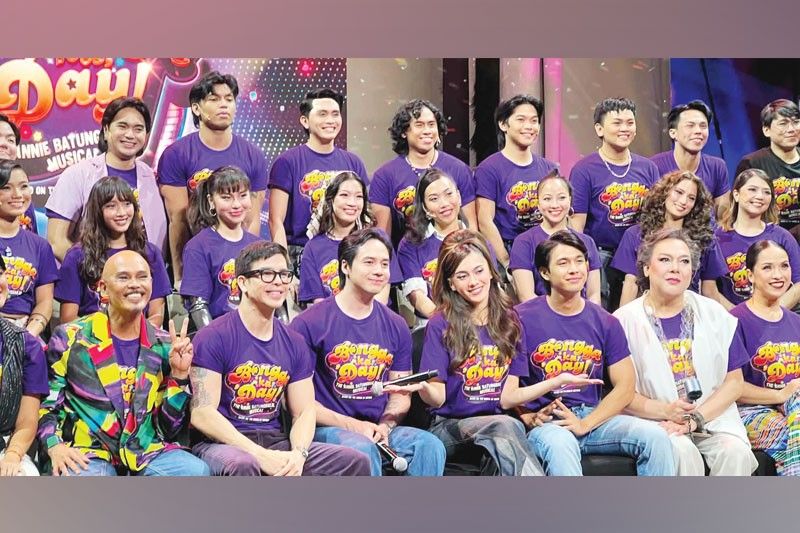
MANILA, Philippines — What does it take to make a story from 1979 feel relevant in 2026? For the creative team behind “Bongga Ka ’Day: The Annie Batungbakal Musical,” the answer goes far beyond bringing back disco lights and beloved Manila Sound hits. It means digging into why those songs mattered in the first place — and discovering that the questions they asked are still very much alive today.
There is an easy way to make a musical about the 1970s.
Put a disco ball onstage. Turn up the Hotdog songs. Bring out the bell-bottoms. Add a few mirror balls and some choreography, then let nostalgia do the rest.
“Bongga Ka ’Day: The Annie Batungbakal Musical” could have taken that route and stopped there. Without preempting anything, all these elements still come into play onstage.
However, they are not the only things audiences will experience.
Instead, the creative team went deeper, asking: What happens when you take the songs, memories, language, anxieties and aspirations of one generation and ask a new generation to inhabit them?
Set in 1979, “Bongga Ka ’Day” follows Annie Batungbakal as she comes of age at a time when young Filipinos were beginning to find new ways to express themselves. The disco floor offered one such space. But underneath the music and movement were questions about identity, freedom, family, love, belonging and the desire to be seen. Those questions, it turns out, have not aged much at all.

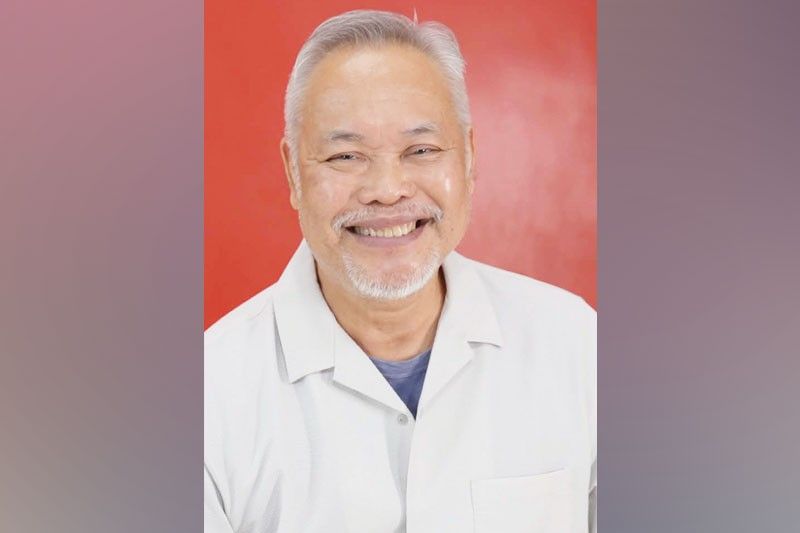
For seasoned director Chris Millado, that realization became central to the development of the musical.
“What does it take to be validated? What does it cost to be seen?”
In the 1970s, validation might have come on the dance floor. Today, it arrives differently: through mobile phones.
“Back then, the spaces of validation was the disco, the dance floor,” Millado says. “Ngayon, you’re validated by likes on your posts, comments on your social media.”
Technology may have changed our experience of being validated, but the human need has not. That distinction is at the heart of what makes adapting a decades-old cultural moment for contemporary theater more interesting.
Reshaping the narrative through song
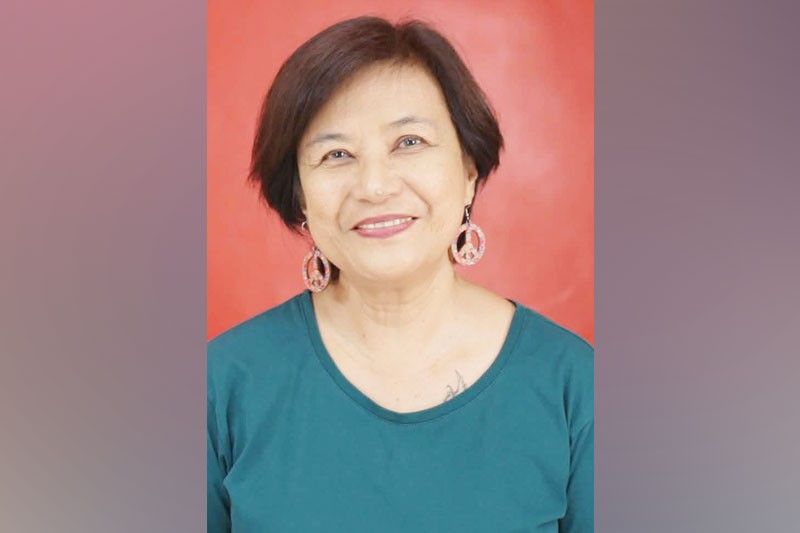
For Palanca award-winning playwright Liza Magtoto, the process began with listening — not simply to what the Hotdog songs sounded like, but to what they were saying.
“I was really taking off from the songs — ano kaya ang mga nangyayari sa mga characters dito? Ano kaya ang nangyayari kay Annie Batungbakal?”
The songs became her starting point for imagining the people behind them. Many of Hotdog’s hits spoke of first love, unrequited love, longing and the seemingly small emotional dramas of everyday life. But Magtoto began asking bigger questions: Who are the people experiencing these feelings? What is happening around them? What is keeping Annie from attaining her dream? How does her family life shape her choices? How does love complicate her ambitions?
“Sino yung mga characters that could represent these lyrics?” she asks. “What’s the journey they had to take for them to be able to say or sing those songs?”
In this way, the songs became more than a soundtrack. They became a language through which the story could be told — and evidence of the world the creative team was building.
Manila Sound gave them clues about what people of that era were feeling, dreaming about and talking about. The seemingly small things captured in the songs became windows into a larger world: young people falling in love, looking for belonging, navigating family expectations and searching for ways to express themselves.
“Manila Sound songs make the small things have bigger feelings through songs,” Magtoto says.
The songs already have meanings of their own. The playwright’s job is to discover where those meanings intersect with character, conflict and narrative. It is a constant negotiation — one that involves writing, rewriting, researching, listening and collaborating.
This is the particular challenge — and opportunity — of a jukebox musical. The creative team is not starting with original songs written specifically for a plot. They are taking music that already exists, uncovering the stories and emotions embedded within it and finding where those pieces belong in a new narrative.
For musical director Vince Lim, that means the arrangements themselves must become part of the storytelling.
The invisible work behind familiar songs
For Lim, the musical director behind recent theatrical hits such as “Walang Aray” (2022) and “Bagets The Musical” (2026), one of the most intimidating aspects of “Bongga Ka ’Day” was precisely what makes the project so appealing to audiences: The music is already loved.
“Another intimidating thing is recreating the sound,” Lim says. “It’s hard to bring back people to an era that they love so much in music — with Hotdog, especially. Are you going to do the music justice?”
The pressure became especially real during the first press preview.
“Mas kinabahan pa ako na andun yung mga asawa ng writers than the press,” he recalls.
The reason was the songs’ sentimental value. These were not simply songs from an old catalog. They accompanied family reunions, relationships, growing-up years, memories of a particular Manila and entire chapters of people’s lives. For Lim, respecting that history did not mean reproducing the songs note for note. It meant understanding what made them work.
“The first thing I work on when I’m working on a song is the tempo,” he explains. “I find the tempo first, because that’s the heartbeat of the song. Then the chords.”
From there, the arrangement has to answer a much bigger question: How does this song serve the story?
That distinction is crucial because, in a concert, a song can simply exist as a song. In a musical, every number has a job to do. It has to reveal something, change something, push a character forward or alter the emotional landscape of a scene. The music therefore has to perform two jobs at once: evoke an era while moving the narrative forward.
Lim describes the process as a reinterpretation that he hopes will uphold the integrity of the original songs. The goal of using Manila Sound and Hotdog songs in “Bongga Ka ’Day: The Annie Batungbakal Musical” is not to leave them in old catalogs. It is to make them move again — and make people move with them.
Nostalgia as a tool, not the main theme
For Millado, nostalgia becomes a trap when it is the only thread used in the world-building process for theater. Nostalgia asks audiences to remember what something used to feel like. Theater asks audiences to feel something right now — and that distinction matters for this show.
“We’re actually going beyond nostalgia,” he says. “So it’s not about resurrecting disco lights. It’s the search of this young girl for her authentic voice in that whole period. Nostalgia comes in to service the story of Annie Batungbakal.”
That philosophy extends to the show’s visual language and choreography. Millado describes one guiding principle: “If you can’t act it, sing it. If you can’t sing it, dance it.”
Dance, in Annie Batungbakal’s world, is not merely a decorative element in a musical — it is another form of dialogue for the actors. The movement has to reveal character and communicate the internal world of a generation that was “unapologetically joyful,” even as that joy existed during a complicated historical moment in Philippine history.
At the time, young Filipinos were asserting their identities and expressing their freedom on the dance floor while the country was also asserting its identity economically, politically and culturally. The Philippines, too, was coming of age.
“The disco floor was the platform for mass youth expression,” Millado says. “That was the way they were expressing their freedom, under that disco ball.”
This gives the disco ball an entirely different meaning: It becomes a symbol of a generation figuring out who it was.
When the past speaks
to the present
How do you teach younger audiences about a world they never experienced without making them feel as though they are being taught?
For the creative team, the answer seems to lie in entertaining them first, then revealing the meaning underneath.
As a playwright, Magtoto describes theater as “an alternative medium for truth-telling.” Her approach is to use humor to tackle difficult subjects, then go past the laughter and ask why those things happen.
Millado has a similar philosophy: “The best kind of entertainment is the type that brightens up your spirit and stimulates your mind.”
He likes entertainment that makes people laugh, then think — entertainment that moves them or leaves them with something worth remembering. That is ultimately what he hopes “Bongga Ka ’Day” can accomplish for its new audience. In this way, the show’s creative process becomes an act of cultural translation.
The language has to be recognizable to today’s audiences while retaining traces of the era it depicts. The songs have to sound familiar without becoming dated. The choreography has to communicate a kind of public, collective joy that younger performers may not have personally experienced.
Millado sees this as part of a “generational responsibility” — to continue telling stories that matter so that theater becomes not only something beautiful to watch but also something educational and transformative.
From Manila Sound to Filipino identity
Millado remembers Hotdog’s songs as the playlist of his generation. But he also sees them as something much bigger: evidence of a moment when Filipino culture was beginning to assert itself.
“I’d like to believe it started this whole creative movement that says we have more than enough sources that we could stand on, cultivate, and develop to say that we have a Filipino cultural identity,” Millado says.
For him, Hotdog’s songs are “oral evidence” of that cultural assertion. From there, it extended to fashion, literature and other forms of creative expression.
This makes the musical more than an exercise in remembering — it becomes an invitation for younger audiences to encounter a piece of Filipino cultural history and decide what it means to them.
Lim sees the same possibility from the musical side. Not everyone watching the show will have memories of the 1970s. He also does not expect every young audience member to feel the same nostalgia as someone who grew up listening to Hotdog. But that may not matter because his hope is that the songs take young audiences somewhere.
Maybe the music reminds them of something. Maybe it helps them imagine something relevant to their own lives. Or perhaps, most importantly, it helps them create a new memory of their own.
So, what does it mean to be “bongga”?
Annie is trying to figure out who she is while negotiating the expectations of her family, society, romantic relationships and the people around her.
Today, the vocabulary may have changed, but the pressure to fit in and the desire to be seen have not. The struggle between pursuing one’s own dreams and fulfilling other people’s expectations remains, as does the need to belong. What has changed is the stage on which people present themselves.
For Annie, it was the disco floor. For today’s generation, it might be a phone screen. But both ask the same question: Who are you when everyone is watching — and who are you when the music stops?
After all the research, writing, arranging, rehearsing, choreography, world-building and cultural excavation, the creative team arrives at a deceptively simple idea:
Being bongga is not about being the loudest person in the room. It is not about mirror balls, glitter or spectacle. For Millado, the real test comes when all of that disappears.
“To be bongga isn’t just about mirror balls or being flashy. The real bongga is when the lights go out, the music stops, and you can just hear your own heartbeat… Can you really say that you’re bongga? What is it that makes you shine and be a bongga person? It’s something that comes from within, mula sa ating kalooban.”
For Magtoto, the answer is about being proud of what makes you distinct:
“Define what makes you bongga, and be proud of it!”
What makes “Bongga Ka ’Day: The Annie Batungbakal Musical” bongga as a theatrical production is the experience its core creative team brings: 40 years of directing, three decades of playwriting, years of musical mastery, countless hours of arranging, rehearsing, researching and collaborating — and a willingness to ask difficult questions of material that audiences already love.
At the Newport Performing Arts Theater, you may arrive thinking you are there to hear songs you know. But you may leave realizing how much work the creative team put into understanding why those songs still matter today. Hopefully, in the process, you will also discover something about yourself that matters.


- Latest
- Trending