‘System loss charges stay until next year’
May not be scrapped before Marcos final SONA
MANILA, Philippines — The Department of Energy (DOE) yesterday said the complete removal of system loss charges is unlikely before President Marcos delivers his final State of the Nation Address next year.
At a press briefing, Energy Undersecretary Rowena Cristina Guevara said the government, however, is preparing a P7.5-billion program to eliminate non-technical system loss charges from consumers’ power bills, potentially reducing electricity costs by around four percent.
She said the multibillion-peso program would be rolled out in phases for consumers served by electric cooperatives.
“For electric coops, on the average, the system loss is about 10.45 percent. Of this, around four percent comes from non-technical losses,” Guevara said.
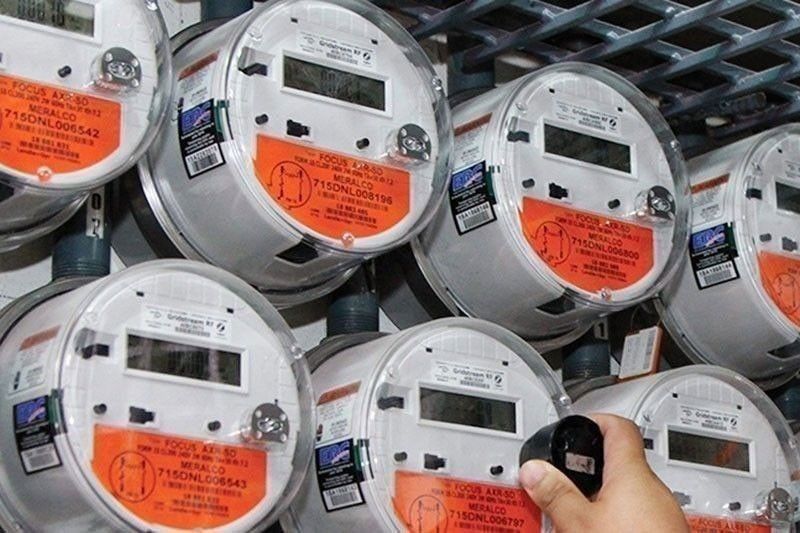
System loss refers to electricity lost before it reaches consumers, with the resulting cost passed on to them through a line item on power bills.
It is classified into technical losses, caused by the natural dissipation of electricity as it travels through transmission and distribution lines, and non-technical losses, which arise from pilferage and illegal connections.
Under the implementation plan, non-technical losses will be gradually phased out, with 25 percent targeted for removal in Phase 1, 50 percent in Phase 2, 75 percent in Phase 3 and full elimination by Phase 4.
To achieve this, Guevara said the program would focus on anti-pilferage enforcement, consumer education, billing and collection efficiency, meter management and audits, consumer database cleansing, institutional strengthening and policy and regulatory reforms.
As for technical system losses, the DOE, Energy Regulatory Commission and National Electrification Administration are crafting a separate plan, which is expected to be finalized by July 2027.
“Why next year? Because this year, we will prioritize non-technical system losses since they are easier to address. Also, they do not require as much investment,” Guevara said.
Unlike non-technical losses, which can largely be addressed through enforcement and better management, reducing technical losses would require upgrades to the electricity infrastructure, including power lines and substations.
Technical losses typically account for the larger share of overall system losses, averaging around six percent among electric cooperatives.
Meanwhile, Energy Secretary Sharon Garin said the DOE is working closely with stakeholders on proposed amendments to the Electric Power Industry Reform Act and the Anti-Electricity and Electric Transmission Lines/Materials Pilferage Act.
In particular, the agency is pushing for stiffer penalties for those found violating the anti-pilferage law.
Under Republic Act 7832, any person found guilty of illegally using electricity may face imprisonment, a fine of up to P20,000, or both.
“Electricity theft is not a victimless act. Illegal connections and meter tampering contribute to losses in the distribution system, with legitimate consumers potentially bearing part of the cost,” Garin said.
To fight electricity theft and cut system losses, the DOE yesterday launched the “Brigada Kontra Jumper,” urging the public to report suspected illegal connections and tampered meters through eGovPH platform.
For Manila-based think tank Institute for Climate and Sustainable Cities (ICSC), consumers should not bear the cost of system losses that power utilities can prevent.
The group is calling for reforms that clearly distinguish unavoidable technical losses from preventable losses stemming from electricity theft, illegal connections, meter tampering, billing errors and other operational failures.
“Consumers shouldn’t pay for losses utilities could have prevented. A fair system rewards utilities that cut losses and holds them accountable when they don’t,” ICSC senior policy advisor Pedro Maniego said yesterday.



- Latest
- Trending