Philippine cinema faces an urgent preservation challenge


The ASEAN Film and Television Summit, hosted by the Film Development Council of the Philippines (FDCP) under chairperson Jose Javier Reyes, was held on Aug. 13 at Seda Manila Bay. The summit brought together key figures from the region’s film and television industries, with First Lady Liza Araneta-Marcos as a guest of honor. Congressman Javi Benitez, representative of Negros Occidental’s Third District and chairperson of the Special Committee on Creative Industries, delivered the opening remarks.
Held under the overarching theme “Navigating Our Future, Together,” the summit included discussions on the preservation of Asia’s cinematic heritage, among other concerns facing the region’s creative industries.
One of the major initiatives highlighted during the gathering was the Asian Film Alliance Network (AFAN), established by national film bodies across Asia to promote collaboration, information sharing, and the preservation and celebration of the region’s film heritage, culture and industry. Its current members are Indonesia, Malaysia, Mongolia, the Philippines, Thailand, South Korea and Japan, with the Philippines serving as the current host.
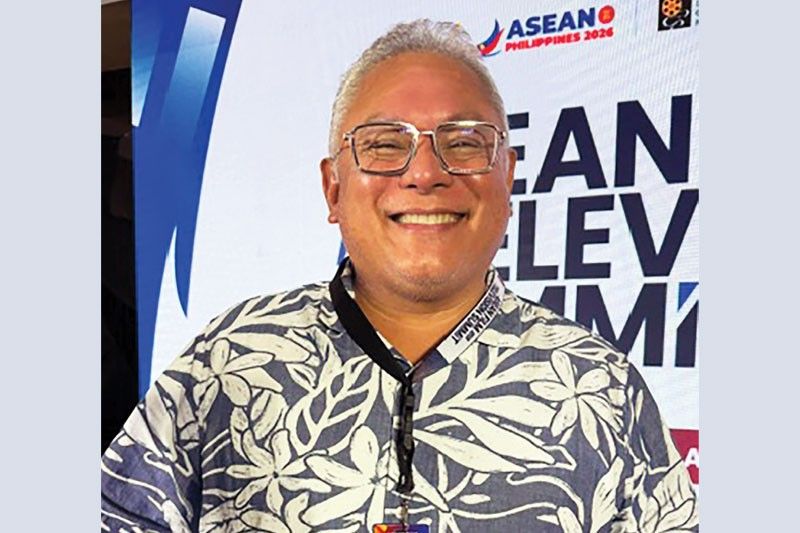
The summit’s Asian Film Archiving Forum focused on the current state of film archiving in Asia, common challenges and emerging opportunities, and ways to strengthen film preservation across the region. Film archives are more than repositories of audiovisual materials. They preserve language, culture, history and the collective memory of nations.

I had the privilege of moderating the forum’s first session, “The Future of Asian Film Archives,” which brought together four panelists: Chalida Uabumrungjit of the Thai Film Foundation; Sopheap Chea of Cambodia’s Bophana Center; Julita Pratiwi of the Indonesian Film Board; and Leo Katigbak, who led ABS-CBN’s restoration efforts and the Sagip Pelikula advocacy from 2011 to 2025 and now serves as a consultant to the FDCP and the Philippine Film Archives.
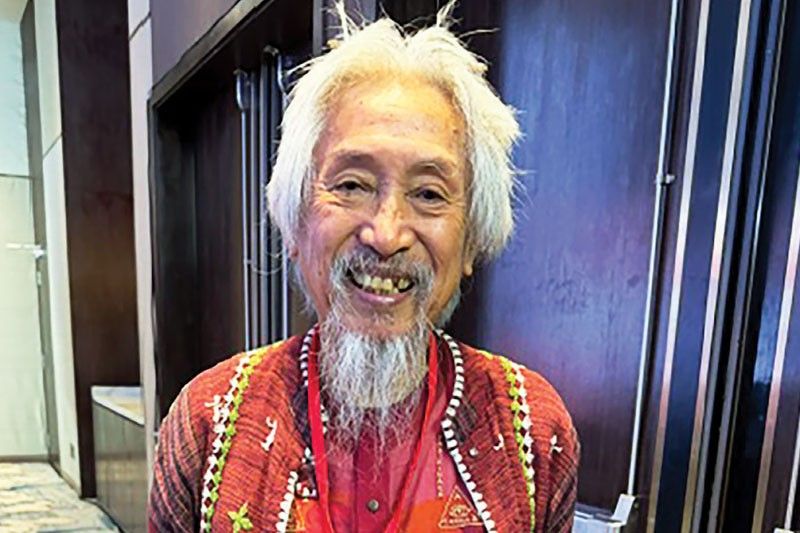
It was Leo’s presentation that left me particularly impressed by the richness of the Philippines’ cinematic history, but also alarmed by the sheer number of films that have already disappeared — and by how much more of this history remains at risk of being lost forever.
The Philippines produced more than 8,000 films shot on film stock between 1919 and 2012. Of these, only about half survive in any format, and only about half of those — roughly 2,000 films — survive in print form, including complete and incomplete reels. Most of the surviving materials date from the 1980s onward.
Even more striking is the fate of films made before World War II. Only five titles survive: “Adarna,” “Giliw,” “Zamboanga,” “Tunay na Ina” and “Pakiusap,” the last surviving only as a video copy.
After the panel, I sat down with Leo to learn more about the state of film preservation and archiving in the Philippines.
What is the current state of film preservation and archiving in our country?
“Currently, most of the initiatives are from the private sector, although the Philippine Film Archive is doing its best to do a lot more. We know what we need to do, but we do need the financial backing to deliver the infrastructure for a larger film vault, as well as the restorations that need to be done.
“The basic problem is that most of the films we are targeting are much older, so it will also be costlier. Many of the titles pre-1970 are already in danger of being lost. The same is true of titles from the 1970s to the 1980s, though there are still more of them around.
“But as much as we want to take on many of the older films, as well as the orphaned films, we have no place to put them in yet, given the limited capacity at this time.”
What are the challenges and importance of preserving our audiovisual heritage?
“No single organization can do all of these initiatives. I think collectively, the private and public sectors have to work together on preserving our cinematic heritage.
“There is also a need to educate people in the academe, as well as general audiences, on the importance and significance of ensuring that these works remain in the public consciousness.
“Back at ABS-CBN, the Sagip Pelikula advocacy was equally important because how can we expect younger people to appreciate older movies if they are not aware that they exist? How can schools teach about film history if there are no movies to watch? How can film courses focus on film literacy if there are no films to appreciate that speak of our cinematic history and excellence in the past?
“There is also the technical side of things, where we are confronting machine obsolescence. The need for constant migration of materials is also there, which most people don’t seem to be aware of, especially given the expense and cost.
“Movies are a document of our identity, our culture, our history, our identity as a people. In many cases, they may be the only surviving record of a particular era, so the need to preserve them takes on more urgency. They are a window to who we were as Filipinos.
“We have also excelled in the field of cinema internationally for a long, long time, and it is tragic if we forget the people who brought so much honor to the Philippines in the past, if they are forgotten by future generations.”
In this digital age, is there interest in the preservation and appreciation of old films?
“I think the ABS-CBN advocacy in the past has helped, and people seeing the commercial advantages or the benefits of showing restored movies again, as if they were brand new, has generated interest from a wider audience.
“There are also now more avenues and platforms to showcase these movies, so it is just as important that we guarantee accessibility.
“The general sentiment is that old movies look old, but by giving them a fresh new veneer in bright images and sharper contrast, we attract potentially a newer audience who may be willing to rediscover all of these gems from the past.”
What kind of support can the government and private sector provide to make film preservation more accessible and meaningful?
“Basically, funding and support, a commitment over the long term, as this is a long-tail play.
“The private sector has been doing its own thing for some time, but generally, they are discouraged because of a lack of incentives as well. They are taxed heavily, and certain issues like shorter copyright protection do not really give them much initiative to support it. Piracy remains a major problem.
“I think it would be good for the Department of Education to also include the importance of preserving film history and legacy in the curriculum.
“This is really a shared responsibility, and we should all work together to emphasize that film is a record of the Filipino people through the various eras. It is a reflection of our psychology as a people. It is a record of our historical and cultural identity as well over the last century of cinema through moving images.”
The discussions at the ASEAN Film and Television Summit serve as an important reminder that preserving film is not simply about saving old movies. It is about protecting the stories, voices, memories, and cultural identity captured in those images.
For the Philippines, where thousands of films have already been lost, the challenge is both urgent and deeply personal. Every surviving reel represents a piece of a national story. Preserving them ensures that future generations will not merely read about the history of Philippine cinema — they will still be able to see it.








- Latest
- Trending