Michelle Dee has unfinished business in pageantry

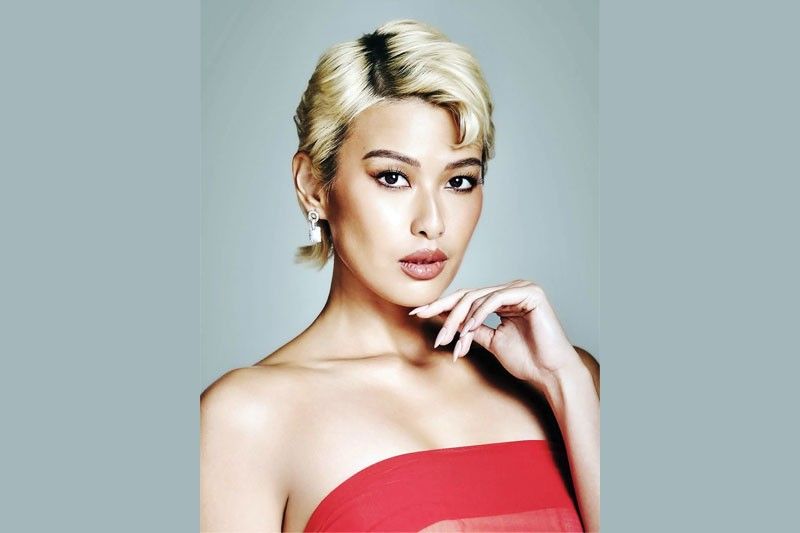
From beauty queen to actress, model and advocate, Michelle Dee has shown that there is life — and purpose — beyond the pageant stage.
She first captured international attention when she represented the Philippines at the Miss World 2019 pageant in London, finishing in the Top 12. Four years later, she won the Miss Universe Philippines 2023 crown and went on to represent the country at the Miss Universe pageant in El Salvador, where she placed in the Top 10 and received four special awards. Although she did not bring home either international crown, both competitions helped establish Michelle as one of the country’s most recognizable beauty queens.
Pageantry is, in many ways, part of her family story. She is the daughter of actress and fashion model Melanie Marquez, who won the Miss International crown in 1979, and Derek Dee, a film producer and former action star. Her paternal grandparents were the late Dee K. Chiong, former president of China Banking Corporation, and philanthropist Regina Yui Dee. It is perhaps fitting, then, that Michelle became Chinabank’s first-ever brand ambassador.
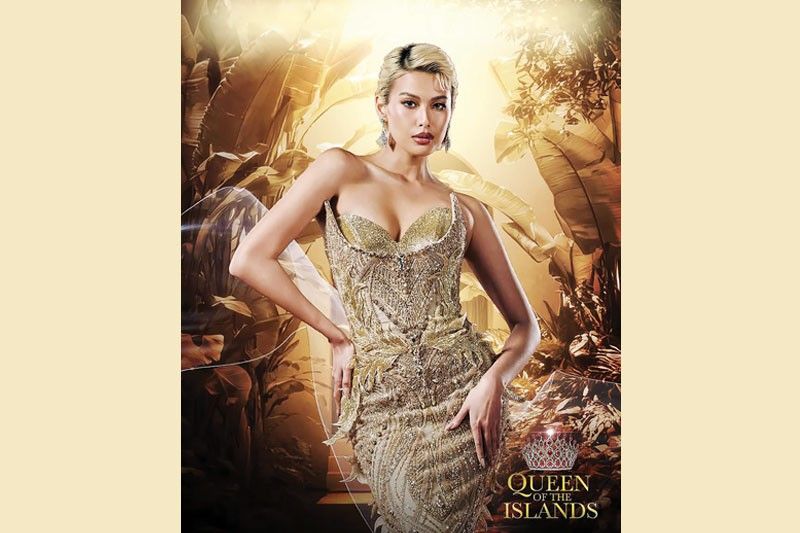
But Michelle is much more than her famous surname or pageant titles. She has steadily built her own career as an actress, model and talk show host while using her platform to champion causes close to her heart, particularly autism acceptance, mental health awareness and LGBTQIA+ rights. A member of the LGBTQIA+ community, she publicly came out as bisexual in May 2023, further strengthening her commitment to visibility, acceptance and inclusion.
Today, Michelle is once again embracing the world of pageantry as she prepares to compete in MGI All Stars, a Miss Grand International initiative for women who have previously competed in international pageants. At the same time, she is appearing in “Red Crown,” a GMA Pictures film that brings the colorful and competitive world of beauty pageants to the big screen.
With several roles to juggle and new challenges ahead, Michelle remains determined to tell her story on her own terms. In this interview, she talks about her decision to return to pageantry, the lessons she has learned from acting, her advocacy work and the person behind the public image.
You were crowned Miss Universe Philippines 2023 and were recently announced as a candidate for Miss Grand International’s MGI All Stars. What made you decide to return to pageantry?
“Hashtag ‘Dee Pa Tapos’ has always been more than a name. They’re the people who stayed after Miss Universe and reminded me that one result was never the whole story. I came home without the international crown, but people connected with what we had created. That connection helped me build a career beyond pageantry.
“There is still a moment I want to share with them and my family. My mom, Melanie Marquez, and my cousin, Winwyn Marquez, have each brought home an international crown. I want to earn the third international crown for the Marquez family. Having a career I’m proud of hasn’t made that dream less personal.
“That is what I appreciate about MGI All Stars. It recognizes that there is more to a woman than her last placement. There is everything she experienced, built and became afterward. I think that is a meaningful story to give a stage to.
“I’m a storyteller, so I don’t want to simply repeat a performance people already know. I want to bring those years into the fashion, the performance and what I have to say. I want to win, of course. But I also want someone watching to feel that building a life doesn’t mean they have to let go of a dream.”
Beauty pageants for both men and women have become increasingly popular around the world. What do you think participants gain from joining these competitions?
“You discover a lot about yourself when you prepare for something that matters to you. How do you handle pressure? Can you take criticism without losing your confidence? Can you communicate what you believe in, not just what people expect to hear?
“For me, pageantry also gave a personal commitment a much bigger audience. Autism acceptance comes from my experience with my brothers. The competition gave me an opportunity to bring that conversation beyond my own family.
“There are opportunities, relationships and skills you can carry into other parts of your life. But you have to know why you are joining and what you want to do with the attention. A competition gives you a result. It shouldn’t decide everything you believe about yourself afterward. The real benefit is leaving with more understanding of who you are—and putting that understanding to work.”
You wear several hats as a beauty queen and actress. How do you define these two roles, and what kind of discipline does each profession demand?
“In pageantry, I bring my own story to the stage. In acting, I have to make room for someone else’s. As a beauty queen, I’m conscious of how I represent myself, my advocacies and the Philippines. As an actress, I have to understand a character — even when her experiences or decisions are different from mine. Acting helped me become more emotionally open, and that has influenced how I connect with people in my other work, too. Both involve storytelling, but they require different kinds of preparation.
Emotion comes first in my creative process; discipline is what allows me to deliver it consistently.
“For me, that means knowing the material, respecting people’s time, listening to direction and being honest about the commitments I can take on. Balance also requires a team. There are people behind every performance, and I don’t take their work for granted. I want to be someone people can trust to deliver — not only someone they recognize.”
Tell us about “Red Crown.” What is your role in the film, and how much of your real-life personality can you see in your character?
“In ‘Red Crown,’ I play Wendy Li, the Queen of Binondo. She is very composed, commanding and particular about how she presents herself. The film takes the world of pageantry and pushes it into satire, comedy and a fight for survival. It’s familiar territory, but definitely not a familiar pageant!
“What excited me was seeing two worlds I known— acting and pageantry — come together. There were moments that felt familiar because I’ve lived through the preparation and pressure. I also got to share my pageant experience with the production and help where I could.
“I can relate to Wendy’s attention to detail and the effort behind looking composed. But understanding her doesn’t mean simply playing myself. I bring what I know about that world, then explore who she is within it.
“I think GMA Pictures has created something audiences can have fun with: you recognize the gowns, the competition and some of your favorite queens, but you get to see them in a completely different situation.”
You always look radiant and fit. How do you maintain your figure, and what is your beauty routine?
“I’ve always been active. Weight training, swimming and yoga have all been part of my routine. I prefer a balanced, consistent approach to food and fitness rather than crash diets. I want to feel strong and have the energy to do my work, not only look ready for a photograph.
“For skincare, I like keeping the basics consistent: removing makeup properly, cleansing, using a serum and moisturizing. I’m careful with my skin because work can mean spending a lot of time in makeup.
“And I have to give credit to the people behind the finished look! A red-carpet photograph involves styling, lighting and a glam team. I don’t want someone comparing their everyday reflection to a fully prepared image.
“Taking care of myself should help me feel comfortable in my own skin — not make me feel that I’m constantly correcting something.”
As an advocate for the LGBTQIA+ community, what changes or reforms would you like to see in the Philippines? How are you using your platform to help bring them about?
“I want acceptance to be something people experience in everyday life, not something they only hear in a speech.
“I grew up with acceptance in my family, and I know that not everyone has that experience. As a bisexual woman, this is personal. I want young people to know they can have ambitions and a future without being made to feel that who they are is something to apologize for.
“I would like stronger, enforceable protections against discrimination — at school, at work and when accessing healthcare. Education matters, too. People need to understand different identities, and institutions need clear ways to respond when someone is treated unfairly. Those are changes I want to use my voice to support.
“My own contribution has included speaking openly about my identity and bringing that message into my creative work. The Pride version of Reyna was a celebration of people finding strength in who they are. I’ve also spoken about the importance of conversations around SOGIE equality.
“Visibility is one part of change. I want the confidence people feel when they see themselves represented to be matched by how they are treated when they step outside.”





- Latest
- Trending