How Filipino horror podcasts keep ghost stories alive
MANILA, Philippines — “It was like he was not being allowed to share the story.”
That was how podcaster Earl Matito recalled a rather weird moment during postproduction for an episode of “Philippine Campfire Stories.” A guest had been talking about living in an alleged haunted ancestral house when Earl heard shushing sounds at certain points. “Multiple technical errors happened too,” he said.
Known to listeners as Camp Master Earl, he said the incident has stayed with him. There was no way to establish what caused the sounds or the technical problems, but it remains one of the episodes he remembers most vividly.
For podcasters, the challenge is to tell these accounts well while leaving listeners room to decide what they believe.
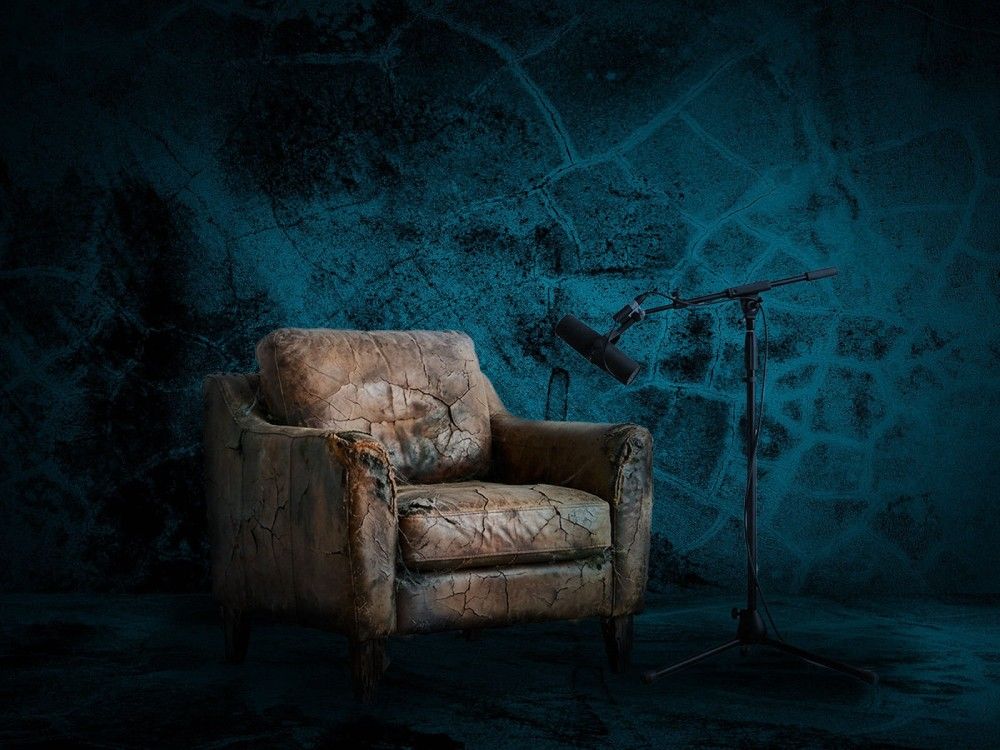
As Halloween brings horror back into the spotlight, “Philippine Campfire Stories”, “Para Normal Podcast” and “The Red Door Podcast” offer more than seasonal scares. They bring the Filipino tradition of “kuwentuhan” to a format people can listen to while commuting, working or doing chores.
Stories that sound close to home
Earl’s interest in horror began long before he started recording. As a child, he watched television horror specials, including Halloween episodes of “MGB”, Oka Tokat and the “Shake, Rattle & Roll” films. Later, he discovered horror podcasts and wanted to make a show of his own that told Filipino stories.
He sees the supernatural as something that often comes up in everyday conversation. As Earl put it, “Yung aswang na nakita ni Aling Rosa sa kanto” can be shared in the same breath as “May bagyo daw na parating.” For him, horror stories can feel like an ordinary part of daily life.
That familiarity can make local horror feel close to home. The creatures are tied to places, customs and warnings people may remember from childhood. Even listeners who are skeptical may recognize the setting or recall a relative telling a similar tale.
For Nick, host of Para Normal Podcast, the appeal lies in hearing from people who say they experienced something themselves. He wanted to create a conversational show centered on first-hand paranormal accounts in a Philippine setting. He believes many Filipinos have heard or experienced such stories first-hand.
The creators of The Red Door Podcast, Ian Lee Estrella and James Danielle Gabe, drew inspiration from late-night conversations with friends. They wanted listeners to feel part of their barkada, “sitting with us, sharing stories, reacting to every creepy detail and laughing together after a good scare.”
That mix of fear and friendship is familiar to many Filipinos. The hosts said supernatural stories are not just about being frightened. “For Filipinos, horror stories aren’t just about being scared. They’re also about bonding,” they said.
One line captures the way a spooky story can take over a gathering, “May ikukuwento ako sa inyo, pero totoong nangyari ’to!” The claim that something really happened is enough to spark curiosity, even among skeptics.
Folklore that changes with the telling
Filipino supernatural lore is not one fixed collection of tales. Beliefs and creatures vary across regions and communities and stories can change as people pass them on.
Earl connects that diversity to the country’s history and its ties with neighbors. Stories travel with people, trade and cultural exchange. He offered the example of how someone who might once have been called a babaylan could be described today as a manghuhula (fortune teller).
Folklore is central to his show. Earl described the podcast as “a celebration of exactly that, Pinoy folklore.” He added that when listeners send stories about aswang or encounters with engkanto, “ang taas ng listenership and engagement!”
The Red Door’s hosts also see folklore as part of Filipino identity. They said Filipino horror is closely connected to “our environment, traditions and everyday lives,” from the aswang and manananggal to the kapre, tikbalang and engkanto.
They want younger audiences to encounter these traditions through podcasts, YouTube, TikTok and other social platforms. As they put it, “We want them to feel like they’re part of the conversation, not just passive listeners.”
Nick did not start his podcast with preservation in mind, but it has become part of the work. A guest once called him a “Chronicler of the Filipino Paranormal Experience.” Nick said he tries to collect Filipino paranormal experiences and understand how people describe the invisible world, adding that keeping the stories alive is “more of a byproduct” of what he does.
He estimates that he has spoken with more than 300 people who claim experiences involving creatures such as “duwende”, “tikbalang” and “kapre”, including regional variations.
The accounts that linger
Some stories stay with a host not because they prove anything, but because of the details people remember.
Nick recalled an account from a driver who said he became lost in Quezon City at night and saw his deceased grandfather in the passenger seat, guiding him. In another account, a recently deceased father supposedly called a repair shop to negotiate the cost of car repairs while his family was at his wake.
Another account challenged Nick’s understanding of paranormal experiences. A person described communicating with what they called “Time Elementals,” entities associated with parallel worlds and the ability to merge or alter timelines. Nick said the conversation reminded him that he would not understand every claim or mystery in a single lifetime.
Earl pointed to an episode titled “Sundalo vs Aswang.” In it, a storyteller named Rally recounted what he described as an encounter with a group of “gabunan,” a type of aswang, and claimed to have witnessed people being killed during a ritual while using night-vision goggles.
The Red Door’s hosts said the stories that stay with them are often those told by people who “genuinely believe they’ve experienced something they cannot explain.” They added that the storyteller may still be trying to understand what happened, rather than trying to convince everyone that ghosts exist.
What happens when the microphone is on
Sharing a frightening account comes with responsibilities, especially when it involves a real person or place.
Nick estimates that around 95% of people who share accounts with Para Normal Podcast do so anonymously. The show uses codenames, altered voices and, when requested, removes identifying details. Nick said many people who describe paranormal experiences have been called “crazy or delusional” when they share what happened to them. That is why he tries not to judge them, while encouraging listeners to decide what they believe.
The Red Door’s hosts said they do not assume every unexplained experience proves the supernatural. Their role is to share accounts while distinguishing personal experiences and folklore from established facts. They also take care not to expose private homes, communities or identifying details without consent.
For Earl, some of the most frightening accounts involve people who have been murdered or hurt. “Those are real stories, real horror,” he said. Behind a ghost story, he said, may be someone’s real suffering. That is reason to approach the material carefully, even in a genre built around fear.
Podcasts and social media have made it easier for people to share these experiences beyond a circle of friends. The Red Door’s hosts see short videos as a way for audiences to discover a story, while longer episodes give hosts and guests room to discuss the details. They also warned that stories can be exaggerated or taken out of context.
A new place for an old tradition
For all three shows, the microphone extends a familiar Filipino habit, gathering to tell stories, challenge one another and pass along accounts that might otherwise remain within a family or community.
Earl often hears from listeners who play Philippine Campfire Stories while doing chores, working or relaxin. He hopes people will “embrace our stories and even the storytelling of today,” adding, “We have so many great stories but there’s always room for more.”
Nick hopes the conversations encourage respect for nature and beliefs about the unseen. He points to the familiar phrase “tabi-tabi po” and says, “Wala naman mawawala if they say Tabi Tabi Po when they can.”
The Red Door’s hosts want listeners to appreciate Filipino storytelling and the cultural traditions behind these experiences. They hope listeners finish an episode “feeling entertained, a little frightened,” and be reminded of times they gathered with friends to share scary stories.
A podcast cannot settle every mystery it records. It can, however, give people a place to tell their accounts, keep local folklore alive and invite listeners to hear the story before deciding what they believe.





- Latest
- Trending