PPA orders rehab of risk-prone ports
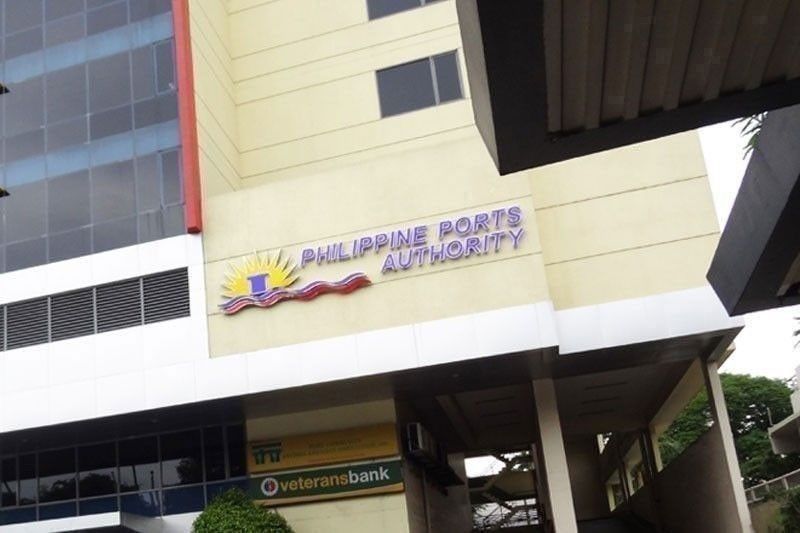
MANILA, Philippines — The Philippine Ports Authority (PPA) has committed to elevate the resilience capacity of ports by raising their ground levels and turning to sturdier materials to survive calamities.
PPA general manager Jay Santiago yesterday said the agency is undertaking a series of structural reforms on ports to protect them from the damage of heavy rains and strong waves.
Santiago said it is necessary for ports to withstand earthquakes and typhoons, as they are tasked to receive cargo ships carrying food supplies during emergencies.
In turn, the PPA is upgrading the deck and pavement capacities of ports to 750 pounds per square foot, or 3.6 tons per square meter. This is larger than the previous size of 500 pounds per square foot, but is still below the highest capacity of 1,000 pounds per square foot.
Select piers and wharfs will be raised to 3.5 meters above mean lower low water (MLLW) from three meters right now to enhance their defense from coastal hazards. MLLW refers to the average height of the lowest tide.
The PPA is also elevating the breakwaters in ports that face the most storm surges like in Abra de Ilog, Occidental Mindoro and Nasugbu, Batangas.
In Bicol, a region almost always passed through by typhoons, the PPA uses reinforced concrete in putting up piers and wharfs for structural strength against waves.
On top of this, deflector walls are being constructed in backup areas where waves could overwhelm the ports, particularly in Legazpi, Albay and Virac, Catanduanes.
Santiago also said that the PPA’s engineering teams have become more sensitive to topographical conditions of each port. They also comply with provisions of the National Structural Code of the Philippines in designing ports, taking into account seismic risks and wind loads.
The World Risk Index ranked the Philippines as the highest prone country to disaster risk. Given this, Santiago underscored the need for public infrastructure like ports to be more resilient.
“Our ports are not just places where travelers embark and disembark and cargoes are loaded and unloaded, because during disasters, they become even more critical since they facilitate passage of food, fuel, medical supplies and relief goods,” Santiago said.
“We continue to conduct drills, test different scenarios, strengthen coordination and improve our infrastructure so when a disaster comes, ports can continue serving as safe and reliable lifelines for the country,” he added.


- Latest
- Trending