


‘Just Javier’ brings to Philippines the story of a man who could be saint
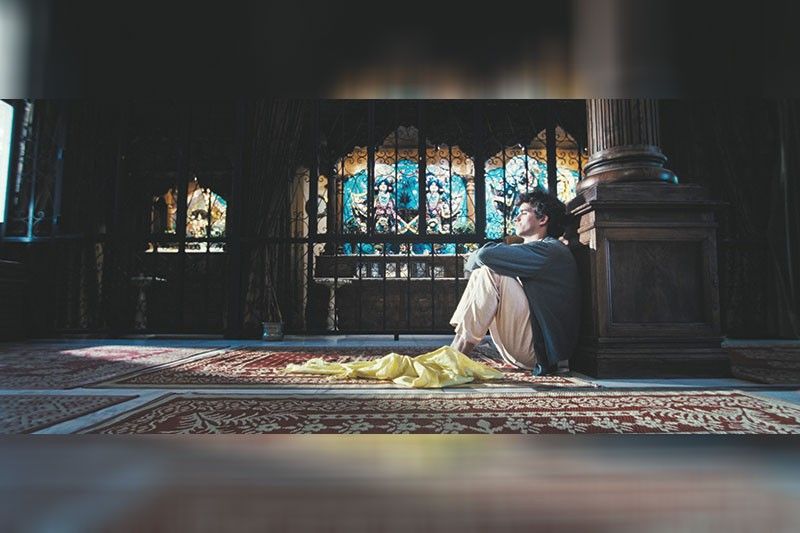
MANILA, Philippines — How would you react if someone told you that the brother you grew up with – the restless “troublemaker” in the family – might one day be considered a saint?
For Mauricio Sartorius, brother of Javier Sartorius Milans del Bosch, the subject of the Spanish documentary “Just Javier,” the first reaction was disbelief.
“First of all, shocking,” Mauricio told The STAR in a recent virtual interview. “When I got the first news, I laughed and said, okay, let’s keep praying.”
“Secondly, it’s a miracle. I mean, for God’s sake, in my own blood, my own family, that Javier one day can be at the same level as St. Paul, Mother Teresa of Calcutta… it’s basically out of reach. I mean, I just can’t, you know – I cannot digest it.
“The reaction of my brother Fernando was, ‘Oh, it’s so easy to be a saint. If Javier is going to be one, then it’s very easy,’” he further recalled with amusement.
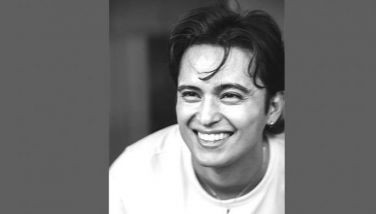
That’s because the Javier they knew wasn’t born looking like one who wouldn’t just inspire a faith-based film, but also efforts, led by the Javier Sartorius Association, to promote the possible opening of cause for his beatification and canonization.
Born to a prominent aristocratic family in Spain, he spent his younger years chasing fun, sports, independence and other activities that hardly fit the image of a “saintly” person.
“Javier was always a troublemaker,” Mauricio fondly recalled. “At the beginning, he was, like, a ‘pain’… always questioning things. He could not sit still.”
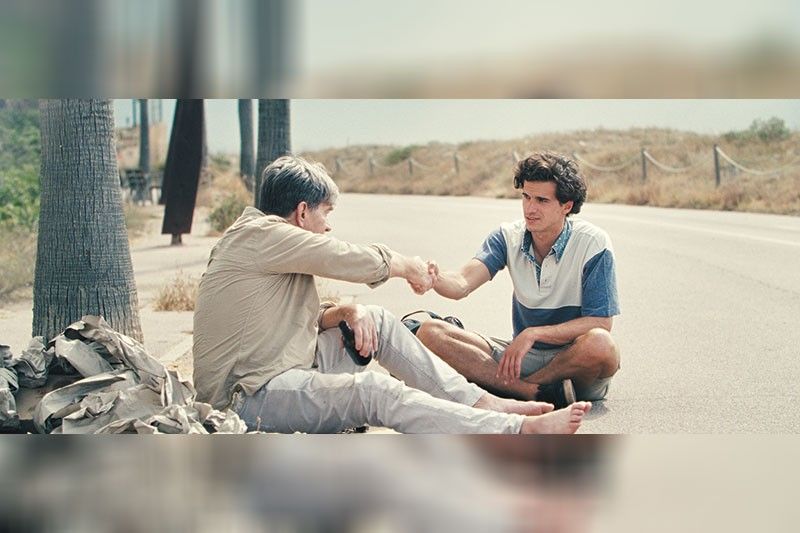
He would become a champion padel player while studying Business Administration and living it up in the United States. However, encounters with the homeless, especially those around Venice Beach in L.A., would redirect the course of his life.
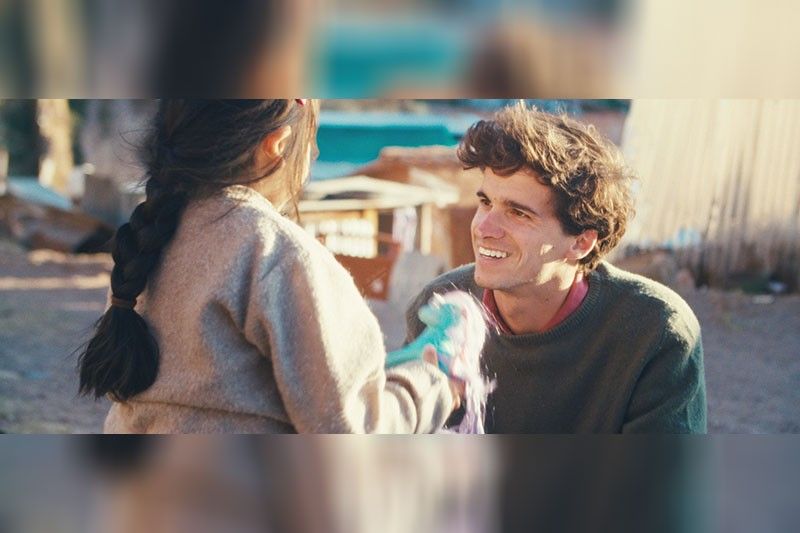
“I have to confess that at that stage, I thought he was a little bit nuts,” Mauricio recalled his reaction when his brother started to develop relationships with homeless people.
Javier also became increasingly preoccupied with questions about meaning and spirituality. The family realized something more profound was happening when at 26, he left for Cuzco, Peru to work with the Missionary Servants of the Poor.
“That’s when we started (asking) questions: ‘What’s cooking?’ ‘What’s going on with him?’” Mauricio said.
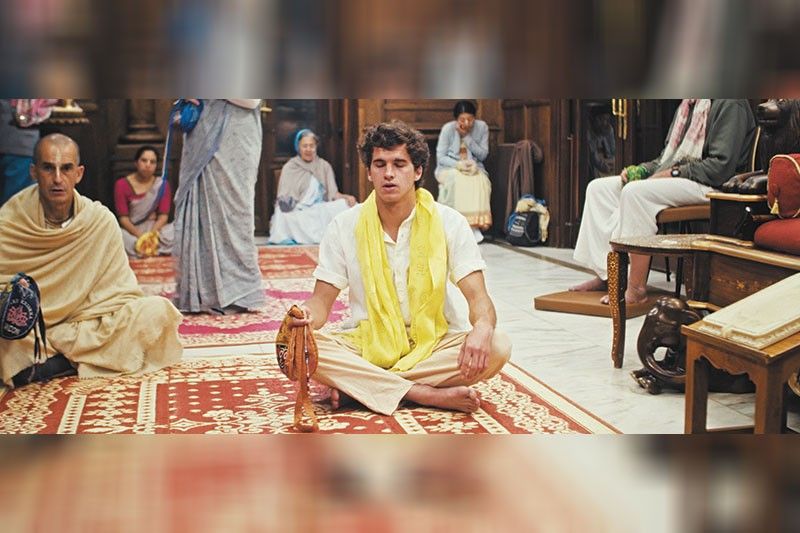
Javier eventually returned to Spain, where he embraced a radically simpler, more contemplative life. He was preparing for his priestly ordination when he fell seriously ill and later died in his 40s.
It was only after his death, seeing the people who came to pay their last respects, that Mauricio began to grasp how much his brother had affected others.
“On the way back from the funeral to Beijing (our home at that time), I told my wife in the airplane, you know, Sonia, something has happened in the life of Javier and we have never, ever understood it… Something happened and we missed it,” he said.
Looking back, one way to describe that was Javier found happiness.
“If you ask me one question of Javier — Javier found happiness,” Mauricio said. “When people ask what happiness is, I can give a lot of answers. But definitely, what Javier found was happiness. He was happy, happy, deep, deep in his heart.”
Nearly two decades after his death in 2006, that journey to real happiness is being relived through “Solo Javier,” released internationally as “Just Javier.”
Directed by Josepmaria Angles, produced by Adauge and distributed by Bosco Films, it opens in the Philippines, exclusively in Ayala Malls Cinemas, on Wednesday, Aug. 12, following its release in Spain and subsequent rollout in Spanish-speaking countries.
Not just for believers
Director Josepmaria, meanwhile, knew nothing about Javier when the project first came his way. Neither did the people at the production company, he added.
Before committing what could amount to “one or two years” of his life to the docu, he needed to know whether Javier’s story was genuinely worth telling.
His first introduction came through the writings, including letters to family and friends. “There you can see the depth of his beliefs, and his way of living, his way of thinking about faith and everything,” he said.
The filmmakers went on to visit the isolated mountain sanctuary in Catalonia where Javier spent many years, experiencing silence, prayer and closeness to nature.
Through it all, Josepmaria was especially struck by the intensity with which Javier pursued his interior life. “Always looking for his (best) version and perfection almost in a sportive way. That’s the way he lived his spiritual life, you know.”
From the onset, the filmmaker didn’t want to “do Catholic cinema for a Catholic audience” with “Just Javier.”
“We think Javier’s story has some important human universal values that we would like to reach everybody’s heart, not only Christians, not only believers, but anyone, you know, atheists, agnostics, even people from other religions, whatever.”
The filmmakers even tested the movie with non-believing audiences. Some, Josepmaria recalled, responded that while they didn’t necessarily share Javier’s beliefs, they recognized something of themselves in his search.
“Especially if you go to his previous life before his conversion, it’s very affordable for anyone because it’s full of partying, social life, sports,” the director noted.
Recreating these different stages also became one of the production’s biggest challenges. The team filmed at the tennis club where Javier played, recreated the social scene of his younger years and traveled to Peru to the missions where he had worked. There, they met people who still remembered him some three decades later.
“They could clearly remember Javier, like, ‘Oh, he was so fun.’ ‘He was so good to me.’ ‘I really have very beautiful memories with him.’ It was very impressive to find these people,” Josepmaria said.
And as Javier’s life became quieter, the filmmaking did, too.
The director used more static imagery, less music and greater silence to “follow the tempos” and transition toward the contemplative life. “It’s actually been a beautiful journey to do this movie as well,” he said.
Why ‘Just Javier’?
One of the most telling details about Javier’s conversion is contained in the film’s title itself.
As Josepmaria explained, the Sartorius surname carried social weight in Spain. But Javier eventually wanted none of it.
“He wasn’t like trying to give himself importance. It was pretty much the opposite,” the director began the story that inspired the title, “When he arrived in one important place in his life, he decided not to tell his surname because back in the day, they were very well-known in Spain.
“So, he decided like, tell (call) me by my baptized name, nothing else, just Javier. I think that kind of synthesizes very well the essence of the movie and of Javier’s message.”
With that message now being brought to Filipino audiences, it’s especially personal for Mauricio, having lived in the country for three years.
“I remember very well what a great Catholic community you have, what a great people you are, and what a great country you are,” he said.
“And again, ‘Solo Javier’ deserves to be in the Philippines.
“I just hope people see this documentary with their heart open, you know, and ask the question, which is, what is it saying to me? And what am I going to do about it?”
And as the film directly poses the question, “If you had only one week left to live, what would you do?,” Mauricio believes his brother’s answer would be: “You have to be doing the same, Maury, doing what you have to do.”
“Experiencing what Javier experienced in the context of your life. (Even) the small things, but with a lot of love. Nobody’s asking you for extraordinary things, but asking you for ordinary things, doing them in an extraordinary way,” he said.


- Latest
- Trending








 Exclusive


