Reforms we keep promising: A call to finally build safe sports in the Philippines

After a tragedy, the statements always sound the same. Thoughts and prayers. A promise to investigate. A pledge that lessons will be learned. And then the news cycle moves on, and the urgency quietly dissolves, and the system resets itself just in time for the next heartbreak.
The deaths of Ateneo student-athletes Rene Baterbonia and Divine Adili should not become another entry in that weary script. We have grieved. We have asked what went wrong. Now, we must finally answer with action. Not just for them, but for every athlete who shows up to training believing that the people in charge have done the work to keep them safe.
The reality is that Philippine sports safety remains reactive. We investigate after an incident. We write guidelines after a scandal. We scramble to close gaps only once they have already swallowed someone whole. Prevention, when it happens, is often shallow: a waiver form signed, a briefing delivered, a risk assessment filed and forgotten.
Real prevention, the kind that changes daily behaviour, that shapes coaching culture, that empowers people to speak up before disaster strikes, remains the exception and not the rule. We know the missing pieces. I have sat in enough rooms, joined numerous online meetings, reviewed enough protocols, and worked on enough crisis responses to see the same structural failures repeat themselves.
First, coach education. Too many coaches are still placed in charge of athletes with little more than a technical qualification and good intentions. They are not consistently trained in emergency response, mental health awareness, safeguarding principles, or the legal dimensions of duty of care. They are not taught to recognize the early signs of distress, nor are they given clear pathways to escalate concerns without fear of retaliation. Coaching is a profession that carries enormous responsibility. The training must match the weight of that responsibility, and it must be ongoing, not a one-time seminar.
Second, independent safeguarding. Every sporting institution should have a safeguarding officer who is properly trained, genuinely empowered, and structurally independent enough to challenge authority when something feels wrong. Far too often, safeguarding roles are assigned to someone who already wears several hats, or to a person who reports to the same leadership whose decisions they might need to question. That is not a safeguard. It is a comfort blanket. No team should take the floor without a designated safety or welfare lead who is trained, supported and known to every athlete.
Third, risk assessment that lives and breathes. A risk assessment should not be a document pulled from a drawer only when something goes wrong. It should be a living process, revisited before every activity, integrated into planning, and visible to everyone involved. It should ask not just "what could go wrong" but "what have we put in place to stop it" and "who is accountable if it does.” Without that, risk assessment is simply a tick-box exercise.
Fourth, a culture where people can speak up. Athletes, coaches, staff and parents need to know that raising a concern will be met with attention, not retaliation. Too many people in sports stay silent because they fear being labeled difficult, losing opportunities, or damaging relationships. A safe sporting environment is one where silence is the red flag, not the norm.
None of these ideas are new. None of them are radical. In other sectors, they are standard practice. The frustration is that in Philippine sport, they remain aspirational rather than operational. We know what works, but we have not yet built the infrastructure to make it universal.
When I was with the Games and Amusements Board working on the health and safety protocols that allowed professional sports to resume during the COVID-19 pandemic, we operated with a clarity that is rarely present in everyday sport. The risk was visible, the timeline was urgent, and no one could pretend that half measures would do. We built sports bubbles. We trained safety officers. We embedded medical oversight. We created reporting lines. We made safety the condition of participation, not an afterthought.
What stays with me is how quickly that muscle atrophied once the immediate crisis passed. The same energy, the same rigor, the same institutional commitment should exist for every training session, every school competition, every team trip. The risks may look different, but the duty of care is identical.
We do not need to invent new concepts. We need to enforce what we already know. That means national standards for sports safety that are backed by regulation, not just suggestion. It means funding for coach education that is tied to accreditation. It means independent oversight bodies with the authority to investigate and sanction. It means moving from a culture of damage control to a culture of prevention.
The families of Rene, Divine, and every athlete lost to deaths that could have been prevented deserve more than our condolences. They deserve to know that their loss has moved something fundamental in the system that failed them. Every athlete who laces up, suits up, or steps onto a court or any field of play tomorrow deserves to be protected by that same change.
The time for statements is over. The time for infrastructure is now.
--
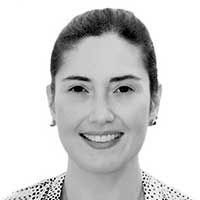
Kara Mallonga is a registered nurse and sports safety practitioner dedicated to advancing athlete welfare, duty of care, and protective systems across Philippine sports governance and grassroots development. During her tenure at the Games and Amusements Board, she worked compliance and ethics programs for major professional sports and developed the critical COVID-19 return to play protocols that allowed the industry to safely resume. Deeply rooted in the sporting community, her background includes training with SPRAWL MMA, serving as a national officer for the Wrestling Association of the Philippines (WAP), and organizing the Veloxity Fighting Championship, Asia’s first all-female caged MMA event. A passionate advocate for rigorous safety standards, accountability and athlete-centered policies in the Philippines, Kara actively writes and speaks on these vital issues. She currently serves as a Freedom to Speak Up Guardian for an NHS Trust in the United Kingdom. As the first Filipino appointed to this role, she continues her lifelong mission of championing institutional responsibility, safety and protecting people from harm.


- Latest
- Trending