


Core inflation to keep BSP on guard – analysts
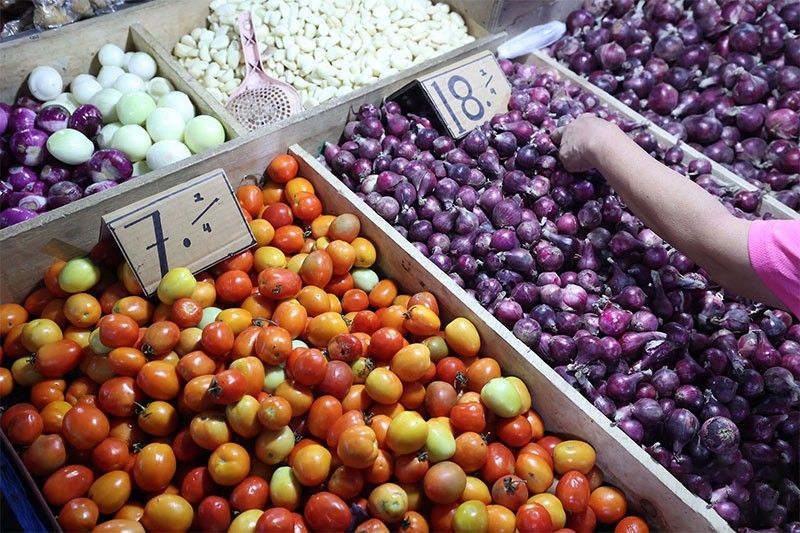
MANILA, Philippines — Inflation may have peaked after easing in May, but underlying price pressures are still building, keeping the Bangko Sentral ng Pilipinas (BSP) under pressure to tighten policy further, economists said.
Nomura Global Markets Research, Deutsche Bank Research and HSBC said the softer-than-expected May inflation print does not remove the need for more rate hikes as core inflation breached the central bank’s two to four percent target for the first time since December 2023.
Headline inflation slowed to 6.8 percent in May from 7.2 percent in April, below market expectations and the BSP’s forecast range of 7.1 to 7.9 percent for the month.
Core inflation, which excludes volatile food and energy items, rose to 4.1 percent from 3.9 percent, suggesting that price pressures are spreading to more stable components of the consumer basket.
Nomura economists Euben Paracuelles and Nabila Amani said headline inflation likely peaked after the May slowdown, but core inflation has yet to follow.
Nomura lowered its 2026 inflation forecast to 5.5 percent from 6.1 percent, reflecting the lower-than-expected May print and the quicker pass-through of global oil price movements to domestic pump prices.
However, it kept its core inflation forecast at 4.6 percent for 2026.
“In terms of trajectory, our new forecast implies headline inflation has already peaked after easing May, but core inflation has not,” they said.
Nomura expects headline inflation to remain broadly stable over the next two to three months before declining to around 5.1 percent by year end as oil prices moderate.
On the contrary, it expects core inflation to rise further before peaking in the fourth quarter due to lagged pass-through effects from still-elevated energy prices.
Despite the improved headline inflation outlook, Nomura still expects the BSP to raise its policy rate by another 75 basis points to 5.25 percent this year.
“We think BSP will view any further increase in core inflation as a sign of second-round effects that require vigilance,” Nomura said.
However, Nomura does not expect an off-cycle move. It sees the BSP delivering measured 25-basis-point hikes in each of its next three policy meetings, starting June 18.
HSBC Global Research senior ASEAN economist Aris Dacanay also said the May print was both a surprise and a relief, but maintained that a larger policy response is still possible at the next scheduled meeting.
Dacanay said an off-cycle meeting is now unlikely, as the softer inflation print provided some relief to the peso and reduced the immediate need to tighten policy to guard against currency-induced inflation.
However, HSBC still expects the BSP to raise rates by 50 basis points to five percent during its June 18 meeting.
“Nonetheless, we continue to believe that a jumbo 50-basis-point policy rate hike to five percent is still on the table during the BSP’s scheduled rate-setting meeting,” Dacanay said.
He cited three reasons: rising core inflation, the decline in real policy rates and the risk that a smaller 25-basis-point hike could bring back pressure on the peso.
Deutsche Bank economist Junjie Huang, likewise, said the lower headline print does not change its call for a 50-basis-point rate hike at the June Monetary Board meeting.
“Our view of BSP hiking by 50 basis points in the June meeting is unchanged as we think the lower print may only be temporary, and it is still materially above BSP’s two to four percent target,” he said.
Deutsche Bank revised its Philippine inflation forecasts slightly lower to 6.2 percent for 2026 from 6.5 percent previously and to 4.1 percent for 2027 from 4.2 percent. Both remain above the BSP’s target range.
The BSP raised its policy rate by 25 basis points to 4.50 percent in April, effectively ending an easing cycle that delivered a cumulative 225 basis points in rate cuts from August 2024 to February 2026.


- Latest
- Trending


