From policy to reality: Bridging the cancer care gap

Cancer continues to cast a long and painful shadow over Filipino families, remaining one of the country’s leading causes of loss, hardship and profound disruption. What makes this burden even more devastating is that many patients are diagnosed only when their disease has already advanced, sharply limiting treatment options and increasing the risk of mortality.
This persistent pattern of late detection is not simply a clinical challenge—it is a reflection of systemic gaps that demand urgent, sustained, and coordinated reform. If the Philippines is to meaningfully reduce preventable deaths, early detection must become the rule rather than the exception.
Equally urgent is the need to expand access to timely diagnostics and quality treatment. Too many Filipinos still face geographic, financial and administrative barriers that delay or derail their care.
Strengthening patient navigation systems and ensuring robust financial protection are essential steps toward a health system that supports individuals with clarity and dignity, especially at their most vulnerable. These are not abstract policy ideals; they are practical necessities for a country where cancer care remains uneven and, for many, inaccessible.
This February’s observance of National Cancer Awareness Month coincides with the seventh anniversary of two landmark health laws—the National Integrated Cancer Control Act (RA 11215) and the Universal Health Care Act (RA 11223).
Together, these laws were envisioned to build a more equitable, responsive, and lifesaving cancer care ecosystem. Their promise remains powerful, but their full potential depends on consistent implementation, adequate funding, and political will.
World Cancer Day 2026 provided a timely moment to reflect on this progress. During its commemoration last Feb. 4, 2026 at the Philippine Medical Association Auditorium, the Philippine Cancer Society, the Philippine Society of Oncologists, the Philippine Society of Medical Oncology, and other partners gathered to reaffirm their commitment to integrated cancer control.
The launch of the “Access to Cancer Treatment (ACT) NOW” Operations Manual marked a significant step forward, offering a structured blueprint across four pillars: primary prevention and risk reduction; early detection and active screening; diagnosis, treatment, and patient navigation; and supportive and palliative care.
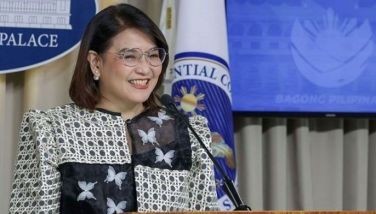
In the welcome remarks, Assistant Secretary for Health Gloria Balboa—herself a cancer survivor—captured the spirit of the day by reminding the community that “every action matters, and together real change happens.”
Another milestone that day was the signing of the City Cancer Challenge (C/Can) Memorandum of Understanding with Quezon City, led by Mayor Joy Belmonte and the City Health Office. With this signing, Quezon City formally became the 17th global partner city in C/Can’s international network—a distinction that carries both responsibility and promise.
By joining this network, Quezon City signaled its readiness to take on a more proactive, data-driven, and community-anchored approach to cancer control. This partnership represents more than a ceremonial agreement; it reflects a commitment to building systems that are locally led, technically sound, and sustainable over the long term.
Yet even as these initiatives move forward, a critical gap persists between evidence and policy action. The Health Technology Assessment Council (HTAC), established under the UHC Act to guide rational health spending, has continued to produce rigorous recommendations.
In March 2023, the Department of Health transferred HTAC’s operations to the Department of Science and Technology, a move intended to reinforce its independence and scientific rigor.
Between 2023 and 2025, the bottleneck shifted: HTAC continued to produce evidence-based recommendations, but the pace of translating these into funded benefits is slower rather than accelerated. Without clearer timelines, the promise of universal health coverage may be difficult to realize.
This is where UHC Watch enters the picture. UHC Watch is a civil society coalition dedicated to monitoring the implementation of the UHC Act and advocating for transparent, accountable and people-centered health governance.
UHC Watch works to continuously ensure that reforms translate into real improvements in access, equity and quality of care. The coalition has consistently highlighted gaps between policy and practice—particularly in cancer care—while pushing for stronger public participation, better use of health funds and more responsive government action. Its work underscores a simple truth: universal health care is not achieved by legislation alone; it requires vigilant oversight and sustained public engagement.
From this vantage point, UHC Watch stresses that the moment calls for more than symbolic observance. It demands decisive action. National and local governments must expand early screening and detection, strengthen prevention and guarantee access to treatment that meets global standards.
The Department of Health must fully and efficiently utilize the Cancer Assistance Fund and the Cancer and Supportive Palliative Medicines Access Program to deliver timely financial support and essential medicines.
Equally important is ensuring that the voices of people living with cancer—and their families—shape policies and programs through genuine multisectoral collaboration. Universal health care and a strong primary health care system remain the foundation of truly equitable, affordable, and compassionate cancer care for every Filipino.
Cancer is not only a medical condition; it is a profoundly personal journey that reshapes every aspect of a person’s life. A truly people-centered cancer care system listens to these stories and responds with compassion, dignity and respect.
When we place patients’ needs, voices, and lived experiences at the heart of care, we create conditions for better outcomes and a more humane health system. Each cancer journey is unique, and fostering a nation that recognizes the person beyond the illness demands unity, bravery, and collective effort. Now is the time for all of us – the government, healthcare providers, advocates and communities, to stand together and ensure that no Filipino faces cancer alone.
Alvin Manalansan is a health and nutrition fellow at the think tank Stratbase Institute and co-convenor of UHC Watch.


- Latest