P5-B released for AICS beneficiaries as DBM chief cites importance of unprogrammed funds
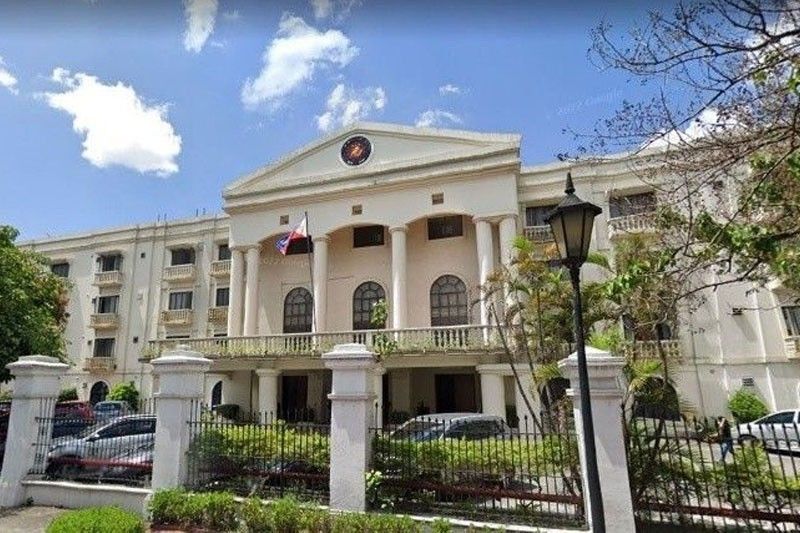
MANILA, Philippines — In adherence to Malacananang’s directive, the Department of Budget and Management (DBM) has approved the release of an additional P5 billion to fund the Assistance to Individuals in Crisis Situations program, targeting to benefit another 411,188 needy Filipinos from October until this year ends.
DBM Secretary Amenah Pangandaman said the allocation aims to address the budget deficiency under the Protective Services for Individuals and Families in Difficult Circumstances component of the Department of Social Welfare and Development.
The approved allotment and corresponding Notice of Cash Allocation are chargeable against the Fiscal Year 2025 General Appropriations Act.
“This latest fund release underscores the importance of unprogrammed appropriations as fiscal buffers that enable the government to respond swiftly to social and humanitarian emergencies,” Pangandaman said.
She emphasized that unprogrammed funds matter most for rapid disaster response, serving as the government’s financial lifeline in times of devastating calamities.
“Unprogrammed appropriations are not discretionary or secret funds, but standby allocations duly authorized and approved by Congress. These funds can only be accessed when there are excess or windfall revenues, new revenue measures, or valid loan agreements for foreign-assisted projects,” the DBM chief explained.
Pangandaman is scheduled to appear before the Independent Commission for Infrastructure (ICI) Tuesday, October 14, to provide expert insights into the National Expenditure Program and General Appropriations Act processes.
The ICI invited her to elucidate on how unprogrammed funds are released, and to clarify the nature of requests and proposals submitted to the DBM by the Department of Public Works and Highways for inclusion in the NEP.
“UAs usually serve as fiscal buffers, enabling the government to respond to unforeseen needs or urgent national priorities without breaching the fiscal program approved by Congress,” Pangandaman reiterated.
She added that in normal circumstances, unprogrammed funds support key programs such as assistance to rice farmers, social protection initiatives like DSWD’s AICS and Food Stamp Program, higher education subsidies, health infrastructure, personnel benefits, renewable energy, and national defense modernization.
“But unprogrammed funds matter most in times of catastrophes when tapping UAs become the gov’t financial lifeline for quick relief and recovery response,” she said.
Pangandaman cited the government’s rapid mobilization of unprogrammed appropriations during the COVID-19 pandemic, as well as in 2024, when these funds supported crucial projects in agriculture, social protection, education, health, and infrastructure — all authorized under the GAA.
In today’s ICI session, the DBM chief is also expected to clarify the national budget processes — covering preparation, legislation, execution, and accountability — which, she noted, provide no room for DBM to participate in the so-called “budget insertion”.
“The DBM does not have the authority to introduce insertions into the national budget. Referred to as Congress-Introduced Changes and Adjustments (CICAs), such insertions occur not during NEP preparation, but during the Bicameral Conference Committee deliberations between the two Houses of Congress,” she explained.
She reiterated that under the Constitution, Congress retains the “power of the purse.”
“Once the President submits the proposed NEP to Congress, the Executive’s role — through the DBM — is limited to explaining, clarifying, and defending the proposed allocations. The authority to introduce, realign, or amend items rests solely with the legislative branch,” Pangandaman emphasized.





- Latest
- Trending