DA lifts ban on imported canned pork
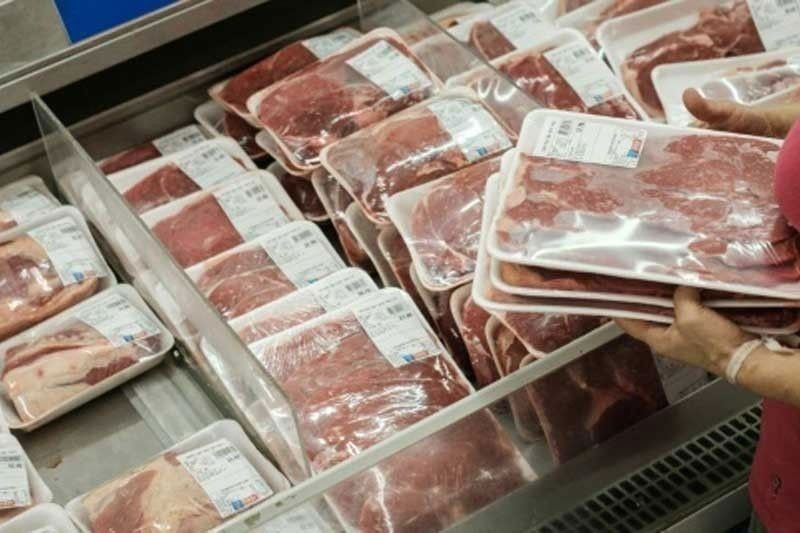
MANILA, Philippines — The Department of Agriculture (DA) has lifted the temporary ban on imported canned pork products, a mandate the Philippines has imposed since 2019.
In Department Circular 42, dated Aug. 11, the DA has allowed the entry of industrially manufactured, hermetically sealed and heat-treated canned pork products to the country.
The country has imposed a ban on meat and meat products, including canned meat, from countries with active cases of African swine fever (ASF) since 2019.
“The Philippines deems it necessary to safeguard animal health and protect the local swine industry and therefore imposes a temporary ban on the importation of domestic and wild pigs, including pork and pork products, originating from countries with incursions of transboundary animal diseases,” the DA said.
The agency clarified that pork products may be imported only if they have undergone heat treatment in hermetically sealed containers, are industrially manufactured and if the canned product carries valid registration in the Philippines.
The agency added that it had conducted an import risk analysis (IRA) on Jan. 13 to study the possibility of allowing the entry of the products into the country.
The IRA found that biosecurity risks are reduced to a negligible level when the trade of meat products is strictly limited to industrially manufactured and hermetically sealed pork products that have been treated beyond the baseline by the World Organisation for Animal Health.
According to the WOAH’s Terrestrial Animal Health Code, products must be treated for at least 30 minutes at a minimum temperature of 70 degrees Celsius for the inactivation of the ASF virus in meat.
“The WOAH principle of Safe Commodities asserts that specific industrial treatments, specifically hermetic sealing and thermal sterilization, effectively neutralize the ASF virus,” the DA added.
The country is currently recovering from the effects of ASF, which has decimated hog populations and caused billions in farmer losses since its initial outbreak in 2019.




- Latest
- Trending