Inflation, weak confidence to temper Philippines consumption
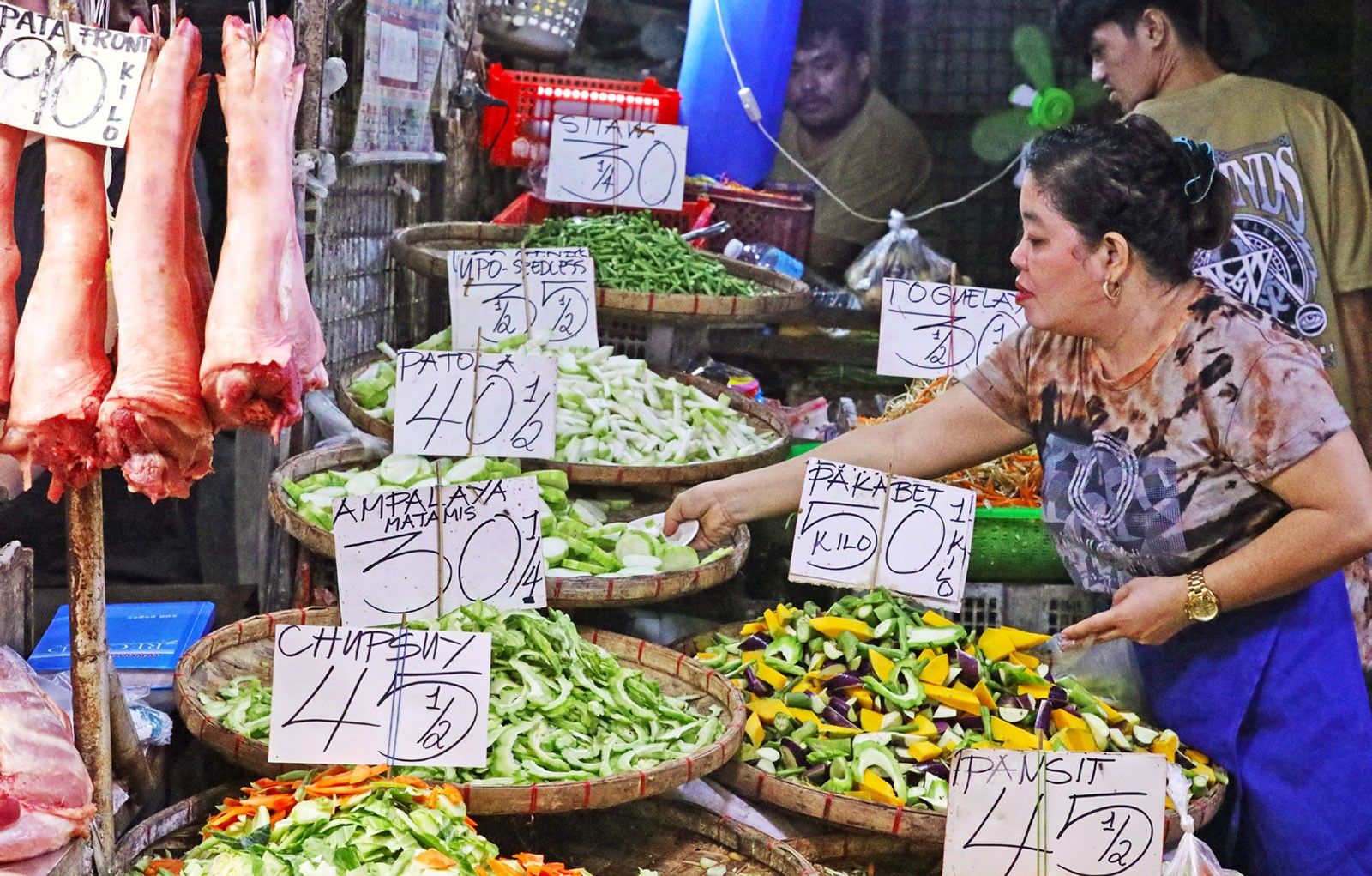
MANILA, Philippines — Consumption in the Philippines is expected to post a moderate growth of 2.8 percent next year as inflation is likely to remain elevated and weak consumer confidence persists, according to research and analysis firm BMI.
“We maintain a cautiously positive outlook for consumer spending in the Philippines, forecasting real household spending growth of 2.8 percent y-o-y (year-on-year) in 2027 to P14.2 trillion,” the Fitch Solutions unit said in a report yesterday.
If realized, BMI said next year’s spending would be 27.2 percent above the pre-pandemic levels.
The consumption forecast is in line with BMI’s 4.5 percent gross domestic product forecast growth for the country for 2027.
Consumption is the main engine of the Philippine economy.
Household consumption grew by 2.4 percent in the third quarter, slower than the previous quarter’s 2.9 percent growth and four percent expansion in the same quarter last year.
From the first to third quarter, consumption grew by an average of 2.8 percent, also slower than the 4.8 percent growth in the same period in 2025.
BMI said that household spending next year would be supported by the availability of more jobs in the market and the faster growth in wages compared to living costs.
However, it flagged high inflation as a risk to the outlook, warning that the conflict between the United States (US) and Iran could place upward pressure on energy prices, while a weak peso, severe El Niño conditions and widening second-round price effects could keep inflation elevated.
BMI said it expects inflation to ease to 5.4 percent next year from its 5.9 percent forecast for this year.
Overall inflation accelerated to 7.8 percent in October, the highest level in almost four years, driven by higher energy and transport costs.
From January to October, inflation averaged 5.6 percent, above the government’s two to four percent target band for the year.
Apart from elevated inflation, BMI said high household debt and debt-servicing costs may limit consumption growth next year.
BMI said consumer confidence also remains sluggish, although not at the level of weakness seen during the COVID-19 pandemic years when the confidence index was at -54.5 percent.
While the Bangko Sentral ng Pilipinas’ survey showed that consumer confidence improved to -29.8 in the third quarter from the six-year low reading of -42 percent in the second quarter, BMI said it was still the worst performance since the first quarter of 2021.
“Consumer confidence remains weak as households braced for higher fuel and food costs stemming from the Middle East conflict, while also contending with weaker economic conditions, rising unemployment and a depreciating Philippine peso,” BMI said.
Governance issues and the perception that the government is not doing enough to curb price pressures also continue to weigh on consumer confidence.
BMI said remittances, which remain an important source of income for many households, also face several downside risks next year, particularly from potential economic and financial stress in major source markets.
The US remains the Philippines’ top source of remittances, accounting for around 40 percent of the total, followed by Singapore (7.3 percent), Saudi Arabia (6.6 percent) and Japan and the United Kingdom (five percent each).
“This leaves household remittance income exposed to weaker economic conditions in these markets, particularly the US,” BMI said.
However, it said continued peso weakness heading into 2027 would increase the local currency value of remittances.
BMI expects the peso to depreciate against the dollar next year to P62.7 from an average of P61.2 this year.
Amid headwinds from a highly uncertain and increasingly volatile macroeconomic environment next year, BMI said consumers are likely to be cautious in terms of spending and prioritize essential services.
“Thus, consumers will seek out value-oriented options and become increasingly selective in their purchasing decisions throughout 2027,” BMI said.




- Latest
- Trending