When disasters strike, who protects the workers?
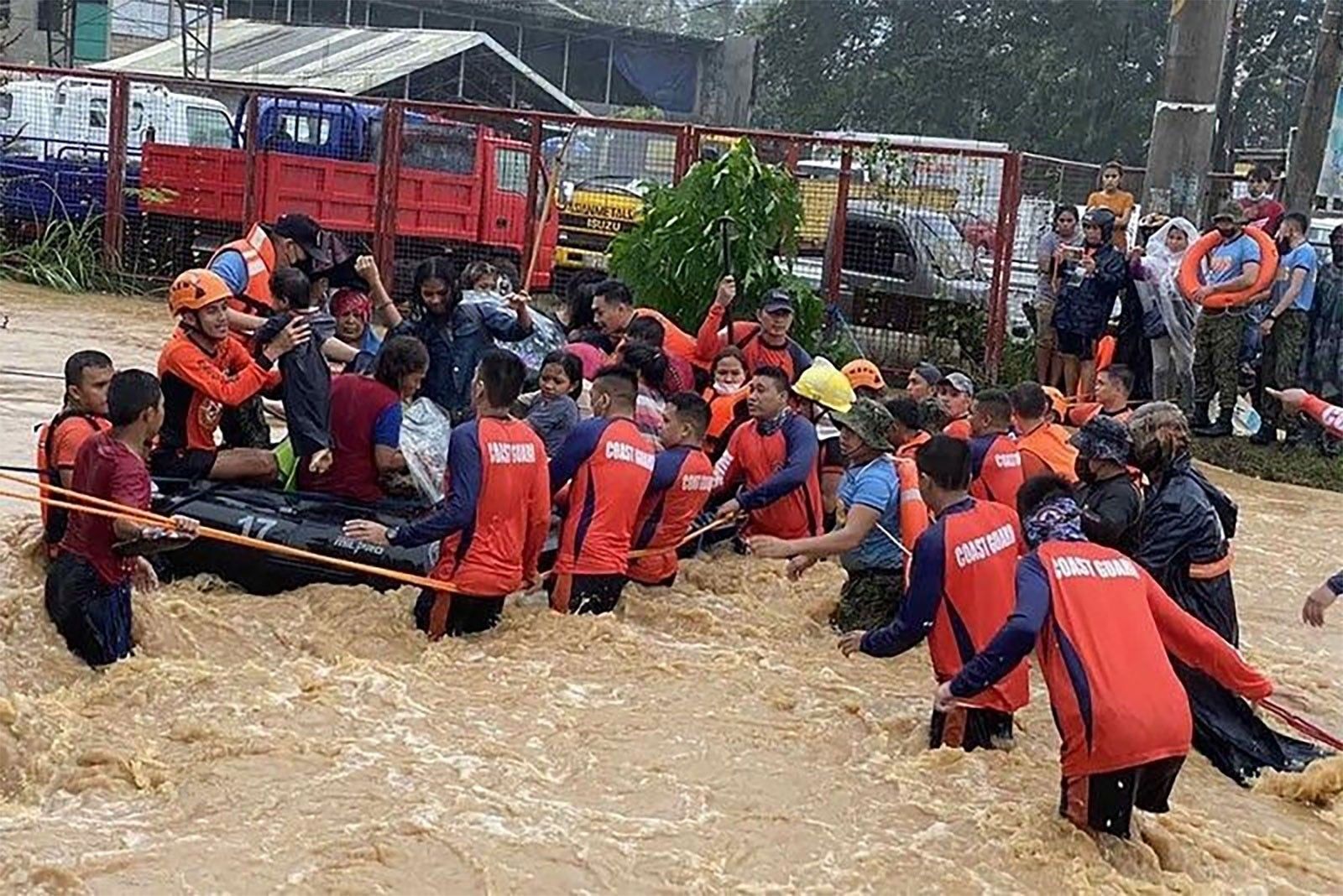
MANILA, Philippines — Every time a typhoon strikes the Philippines, businesses face a familiar challenge: how quickly can operations return to normal? Offices assess damage, supply chains are restored and management teams activate business continuity plans. Yet amid these efforts, a more fundamental question often receives less attention: what happens to workers who must choose between protecting their families and earning their next paycheck?
The question has become increasingly urgent. In August 2026, the National Disaster Risk Reduction and Management Council reported that more than 4.1 million people were affected by successive tropical cyclones and southwest monsoon rains. PAGASA confirmed in November that a very strong El Niño was already present, with potentially prolonged impacts extending into 2027.
These developments underscore a difficult reality: disaster preparedness can no longer be measured solely by how quickly businesses resume operations. It must also account for how effectively employers protect their workers.
For millions of Filipino workers, the consequences of a calamity extend beyond physical danger. Flooded roads, damaged homes, disrupted transportation and prolonged power outages can make reporting to work impossible. Yet staying home may mean losing income precisely when households face unexpected expenses.
The Department of Labor and Employment addressed this concern through Labor Advisory 14, Series of 2026, which allows private employers to suspend work during dangerous weather conditions. It also protects employees from administrative sanctions when they refuse to work because of imminent danger.
However, the advisory generally maintains the principle of no work, no pay, unless more favorable company policies, established practices or collective bargaining agreements apply.
This creates a difficult situation: workers can refuse to put themselves in danger without facing disciplinary action, but may still lose their income for doing so.
The proposed House Bill 4435, which seeks an additional 30 percent compensation for covered employees required to work during calamities, reflects growing recognition of the risks workers face. While the proposal raises questions about employer costs and implementation, it also highlights a broader issue: how should the burden of disaster-related disruptions be shared?
Compensation matters, but additional pay should never justify exposing employees to avoidable danger.
Businesses must first determine whether work can safely continue, which functions are genuinely essential and what alternatives are available.
These decisions should not be improvised whenever a storm approaches. Employers need clear guidelines on work suspension, emergency communication, remote work arrangements and employee assistance.
Workers should know what to expect before a crisis, not discover company policies while already confronting one.
This responsibility extends beyond office employees. Factory workers, delivery personnel, retail staff, health care professionals and other essential workers face different levels of exposure. Disaster preparedness policies must account for these differences rather than impose a uniform response across occupations.
The economic implications are equally significant. When disasters interrupt employment, households lose purchasing power, businesses lose productivity and local economies face additional pressure. Protecting workers is therefore not separate from economic resilience; it is one of its foundations.
For Philippine business leaders, the challenge is to translate these responsibilities into practical measures before the next emergency. This requires three priorities.
First, employers must establish clear disaster attendance policies, remote work guidelines and safety-based suspension procedures before severe weather strikes.
Second, businesses must ensure that essential employee services, including payroll processing, emergency assistance requests and benefit disbursements, can continue securely during disruptions.
Reliable digital systems and alternative approval procedures can help prevent administrative delays when employees are most financially vulnerable.
Finally, technology must support, not replace, responsible leadership. Digital tools can streamline administrative processes and improve response times, but management remains responsible for clear communication, flexibility and meaningful support for employees facing hardship.
As the Philippines confronts increasingly complex weather risks, the conversation must move beyond how quickly businesses can reopen to how responsibly they protect their workforce.
An organization cannot claim to be resilient simply because its operations survive a disaster. True resilience means ensuring that the people who keep those operations running are not left to bear the consequences alone.
Subramanyam Sreenivasaiah is the CEO and director of AscentHR, a leading provider of HR, payroll and compliance solutions.




- Latest
- Trending