Further BSP tightening to cushion peso fall
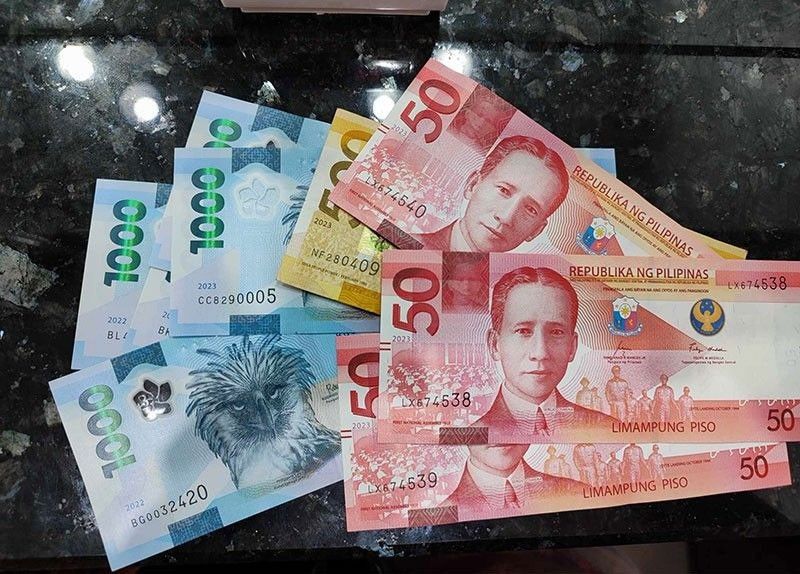
MANILA, Philippines — Extended policy tightening by the Bangko Sentral ng Pilipinas (BSP) could help cushion the weakening of the peso against the dollar, barring any further price energy price shocks.
In a report, MUFG Bank said that the BSP’s policy rate tightening could help soften further weakening of the local currency.
Last June 18, the BSP’s Monetary Board raised its target reverse repurchase rate by 25 basis points to 4.75 percent due to strong inflationary pressure.
This is the second time the Monetary Board had raised key rates as inflation remained above the central bank’s two to four percent target range for the year.
“The scope for further weakness could be moderated should the BSP extend policy tightening, although this remains contingent on external factors, particularly the absence of another energy price shock,” MUFG said in its latest Asia FX outlook.
The Philippines ranks among the more vulnerable economies in the region due to its heavy reliance on imported energy.
The country sources most of its energy requirements overseas, with about 95 percent of the country’s crude oil imports sourced from the Middle East.
The peso slumped to an all-time low of 61.75 to $1 on May 18 due to global uncertainties brought about by the US-Iran war that started in February.
MUFG said that the peso, despite offering relatively higher yields, has not been “sufficiently insulated” from further depreciation pressures due to elevated US rates.
This comes following hawkish comments from the US Federal Reserve as it signaled stronger commitment to taming inflation.
MUFG also noted that the peso, Thai baht and the Korean won have led regional losses since the Federal Open Market Committee (FOMC) meeting on June 18.
“Most Asia FX have depreciated broadly since the FOMC, reflecting widening swap rate differentials and the persistence of a high-for-longer US rate environment,” it said.




- Latest
- Trending