Local feed producers may rely more on US soybeans
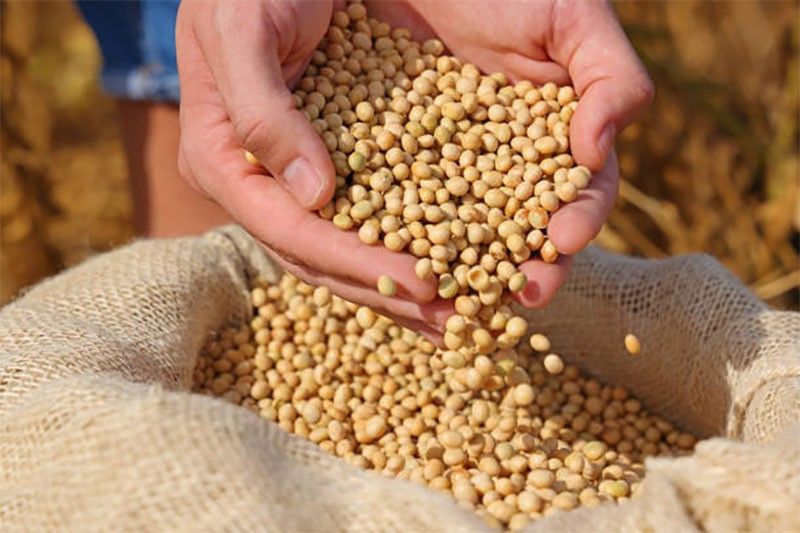
MANILA, Philippines — Domestic feed manufacturers may turn to US soybean meal as soaring fuel and fertilizer costs strain global supplies, especially those coming from Europe, according to an industry group.
The US Soybean Export Council (USSEC) said animal feed producers may buy more soybean meal amid supply constraints due to the conflict in the Middle East.
“This could further support demand for US soybean meal in markets such as the Philippines,” Carlos Salinas, USSEC executive director for East Asia, told The STAR.
Soybean meal is mainly used in the production of animal and aquaculture feed, serving as a key source of crude protein in feed formulations.
The USSEC official also stressed that higher energy, fertilizer, processing, logistics and input costs “do not necessarily point toward a lower-price environment.”
“The overall market direction remains uncertain, and it would be premature to make definitive price forecasts,” Salinas said.
The wholesale price for soybean meal rose by P30.25 per kilo, a 16.8 percent increase from P25.9 per kilo the prior year, according to the Bureau of Animal Industry’s price monitoring as of May 8.
He added that alternative feed ingredients and micro-ingredients used in feed formulations, including some synthetic amino acids, may also face supply constraints due to disruptions in their value chain and higher input costs.
“We understand that some suppliers in these sectors have already declared force majeure, reflecting difficulties in maintaining supply commitments,” he said.
He noted that US farmers have already secured a significant portion of their crop inputs for their current planting season, with harvest expected by October and November.
“The same may not necessarily apply to South America’s upcoming crop cycle, where higher fertilizer and energy costs could place additional pressure on production economics and potentially affect yields or planting decisions,” he said.
Salinas said that in areas like Europe, energy markets are more vulnerable to supply disruptions or rationing scenarios, making the manufacturer or end user more inclined to import soybeans rather than process it domestically.
“This could generate additional global demand for soybean meal exports from origins such as the United States and South America,” he added.
USSEC, however, noted that South American soybean farmers are facing higher supply disruptions or rationing scenarios, adding pressure on production, overall yields or planting decisions.
The US Department of Agriculture’s Foreign Agricultural Service said that soybean meal imports are projected to rise to 3.25 million metric tons in 2026 due to higher total feed demand from the poultry, aquaculture and pet food sectors.








- Latest
- Trending