Pinoys lose P280 billion to scammers – report
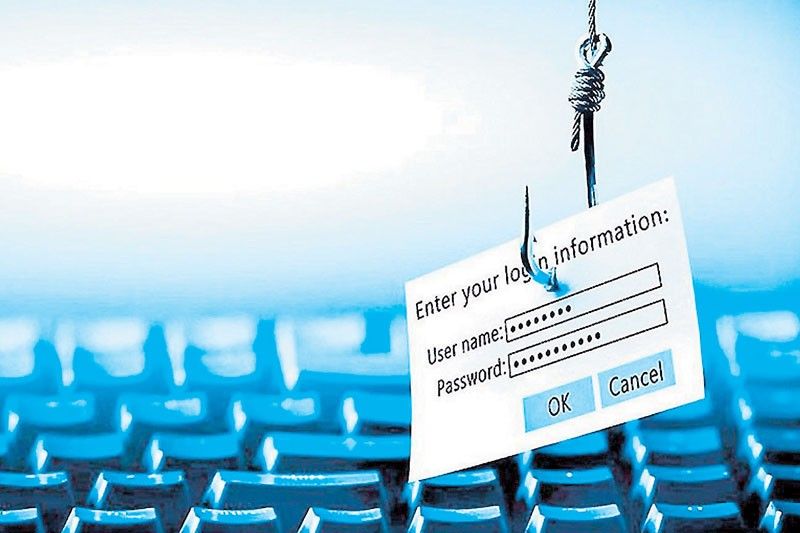
MANILA, Philippines — Scams have become a pervasive national threat, with Filipinos encountering fraud attempts at a rate of nearly one every two days and losing an estimated P280.5 billion in just 12 months, according to the Global Anti-Scam Alliance (GASA)’s latest state of scams report.
The study, conducted among 1,000 Filipino adults and weighted to reflect the national population, found that 77 percent of Filipinos encountered a scam attempt in the past year, equivalent to 239 scam exposures per person annually.
Meanwhile, 65 percent said they were successfully scammed, with victims experiencing an average of 2.3 incidents.
The financial fallout has been severe, with 31 percent of adults reporting monetary losses averaging P11,896 per victim, translating to the multibillion-peso national estimate. Losses were most commonly siphoned through digital wallets (74 percent), followed by bank transfers and cash transactions.
“When nearly one in three Filipinos loses money to a scam, it’s not just a digital safety issue. It’s a household stability issue,” GASA director for Asia Pacific Brian Hanley said in a statement.
“People are cutting back on daily needs, doubting the tools they rely on, and carrying the emotional weight long after the scam is over. Solving this requires partners working together instead of fighting the problem in silos,” he added.
Based on the report, investment scams were identified as the most prevalent, affecting 65 percent of scam victims, followed by unexpected money schemes (64 percent) and shopping scams (58 percent).
Social media platforms, particularly Facebook and Telegram, were the most frequently cited channels used by scammers, alongside text messages and instant messaging apps.
Despite the high exposure rate, the report found that only 11 percent of victims recovered any portion of their stolen funds. While nearly three quarters reported the incident to a payment provider or platform, 40 percent said no action was taken and 19 percent were unsure of the outcome.
Beyond financial harm, scams have inflicted emotional strain, with 88 percent of victims reporting stress and nearly half saying the experience affected their mental wellbeing. One in five victims said they had to take on additional debt as a result of being defrauded.
Public sentiment reflects rising frustration, with more than half of Filipinos supporting severe penalties for scammers, including jail terms of six years or more, and 22 percent calling for full repayment to victims.
GASA said the surge in scam activity threatens public trust in the country’s fast-growing digital economy, stressing that consumer protection must keep pace with rapid adoption of online payments, e-commerce and mobile financial services.
The latest state of scams report was conducted by GASA in collaboration with payments firm Mastercard and anti-scam app Whoscall.
Jason Crasto, Philippine country manager at Mastercard, said scams are no longer isolated incidents but are now a perpetual digital threat. Cooperation between industries and government is crucial to protect Filipinos.
“Mastercard is proud to collaborate with GASA and Whoscall on this report to shed further light on how scammers are impacting the payments landscape, and continues to invest in smarter, safer technologies and cross-industry collaboration to protect Filipinos and ensure that digital progress benefits everyone,” he said.
Mel Migriño, Philippines country head and general manager of Gogolook, developer of Whoscall, said that the collaborative efforts of stakeholders is needed as scams grow and evolve alongside technological advancements. .
“Presently, we’ve seen a surge of scammers using Al technology and social media to take advantage of the Filipinos, making it harder for them to recognize scams and easier to fall victim,” she said.
Migriño said Whoscall aims to introduce features like content checker and scam alerts to provide users with more information in combating newer scam methods.
“These necessary features of the app are free for all users and we hope to strengthen our collaboration with various institutions to help provide awareness of and access to the app to strengthen community protection.”



- Latest
- Trending