Meat importers seek repeal of import ban
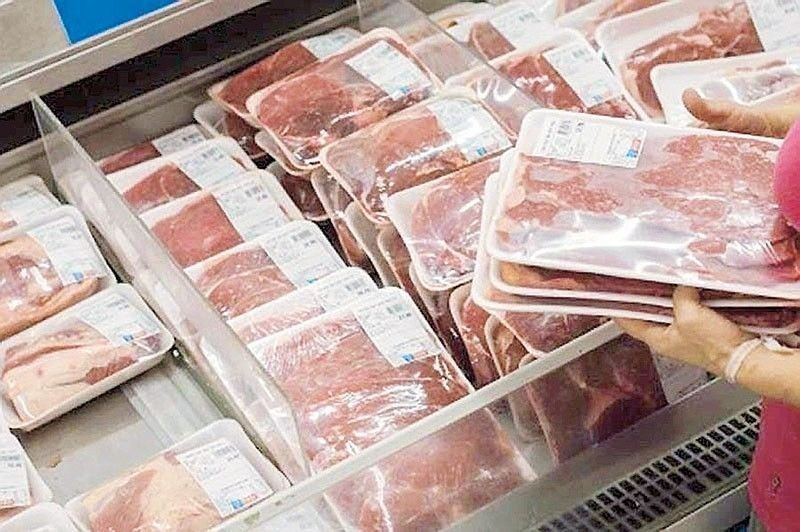
MANILA, Philippines — The Meat Importers and Traders Association (MITA) is calling for the cancellation of the government’s 60-day ban on pork imports, warning that this could impact supply and local food processors.
In a letter to the Department of Agriculture (DA), the group said a suspension of pork imports would lead to significant supply shortages in retail markets.
“This artificial scarcity will trigger price spikes, fueling food inflation and burdening millions of Filipino households already struggling with rising living costs,” MITA president emeritus Jess Cham said.
The group added that the local hog industry is unlikely to meet the gap left by imports due to higher production costs, driven by a high foreign exchange rate, input costs, Super El Niño and a weakening economy.
“The economy cannot afford to have two months with zero sailings/arrivals,” Cham added.
The group also argued that the DA’s order overlooks micro, small and medium enterprises, including meat processors and food service operators that rely primarily on imported pork for affordable raw material pricing.
“Cutting off access to imported pork jeopardizes the operational viability of these small businesses, threatening local employment and driving up menu and retail food prices across the country,” he said.
Cham noted that locally produced pork does not meet product quality, consistency and shelf life standards.
The group also argued that the abrupt import ban, including the cutoff for shipments that departed after Nov. 24, disregards existing commercial agreements.
It said Philippine importers had already entered into binding contracts, paid foreign suppliers and shipped cargo based on valid import permits.
The group added that blocking these shipments could expose businesses to substantial financial losses and potential breach-of-contract claims, while also weakening global confidence in the Philippines’ regulatory and trade environment.
The DA has imposed the ban after finding out that imports were hurting the local hog industry.


- Latest
- Trending