Vote of confidence

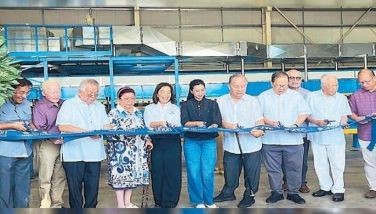
Technology firm Samsung Electro-Mechanics Phils. Corp., a subsidiary of South Korean conglomerate Samsung Electro-Mechanics Co. Ltd., is investing an additional P50.7 billion in the Philippines through the expansion of its manufacturing operations in Laguna, resulting in the creation of 3,000 new jobs.
Meanwhile, Maynilad Water Services Inc. completed a public listing on the Philippine Stock Exchange, with President Marcos witnessing the milestone.
Together, they tell us something important. That confidence in the country has not disappeared.
Yes, the economy experienced a mild contraction, partly due to flood control anomalies, as projects were delayed, questioned, or paused due to procurement and governance issues. Despite the dip, however, underlying drivers remain intact, reassuring the business sector that the country’s long-term potential remains.
The President noted on the sidelines of the Asia-Pacific Economic Cooperation summit that, due to CREATE MORE, there are now incentives that make it easier for businesses to invest and expand. The Samsung investment is qualified to receive incentives under the CREATE More Act.
The Maynilad listing, meanwhile, underscores the investability of water, sanitation and related industries, which are assets that anchor long-term growth.
While there are admittedly projects gone wrong, this is no reason, however, for our government to stop public spending. In fact, President Marcos has ordered the release of P1.307 trillion in programmed funds for the fourth quarter and directed agencies to fully utilize the budget through targeted, efficient spending to support growth.
Government spending has a multiplier effect. Each peso deployed can generate more than a peso in economic activity.
The key is discipline: spend quickly but wisely on projects that are shovel-ready, well-vetted and have high economic returns.
The Philippines hit a speed bump, one that is tied to governance lapses that must be fixed, not excused. Yet the broader arc still bends toward resilience. When a tech giant signals fresh bets, when a core utility goes to market, and when the government commits over P1 trillion to time-bound, targeted outlays, investors notice.
The task now is straightforward, if not easy: keep the door open for capital, keep the rules clear, and keep the money moving to projects that raise productivity and trust. Do that, and today’s hum of confidence could grow into tomorrow’s sustained, inclusive growth.
Rule of law, not of men
Why is it taking so long for those whose names have been linked to these flood control anomalies to be put behind bars or to return the money that they have stolen?
Two months after its creation, the Independent Commission for Infrastructure (ICI) has finally begun recommending the filing of cases against former and current government officials allegedly linked to the anomalous flood control projects. But the actual court cases have yet to be filed.
But the people want results fast.
Justice, however, is evidence-based. Building up a case takes time. Those tasked with investigating and prosecuting must follow due process. Everyone is presumed innocent until proven guilty, no matter how guilty they may appear. Bending established legal tenets can only lead to dismissed charges or even the reversal of convictions.
A half-baked approach to handling these corruption cases, merely to respond to and pacify public anger, is not the solution.
Trial by publicity, without adequate evidence, might only lead to political instability and erosion of the integrity of our systems.
We don’t need to emulate the Indonesian and Nepalese experiences to attain justice. We must have faith and trust in our political and legal institutions to address the long-standing problem of corruption in our country.
No shortcuts.
For comments, email at [email protected]




- Latest
- Trending