Tuna industry told to brace for climate, labor challenges

MANILA, Philippines — Despite double-digit growth in production and exports last year, the Philippine tuna industry should brace for mounting pressures from climate change, labor concerns and global sustainability rules.
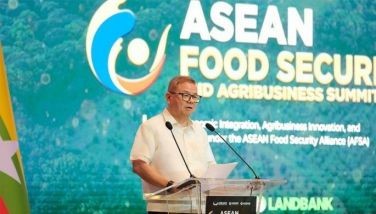
Speaking at the 25th National Tuna Congress yesterday, Agriculture Secretary Francisco Tiu Laurel Jr. said the sector’s strong performance in 2024 should not lead to complacency.
“Our tuna carries the Filipino brand of quality and integrity,” Tiu Laurel said.
“But like the oceans we rely on, the industry now faces turbulent waters: climate change, global sustainability mandates, labor issues and the persistent threat of (illegal, unreported, unregulated) fishing,” he added.
Data from the Philippine Statistics Authority (PSA) show tuna production climbed by 20.56 percent to 494,047 metric tons (MT) from 409,797 MT a year earlier.
Exports likewise rose by 31 percent to $514.47 million, driven by stronger demand from traditional markets in the United States and the European Union.
Tiu Laurel pointed out that warming seas and changing migration patterns threaten to shrink tuna stocks, while stricter sustainability certifications are increasingly required by importing countries.
He also cited labor concerns, noting that international scrutiny over working conditions aboard fishing vessels could affect market access if not addressed.
“For 25 years, this congress has been the heartbeat of collaboration in the tuna sector,” Tiu Laurel said.
“But as we look ahead, the mission is clear: we either act together, or risk drifting apart,” he added.
He urged tuna producers, processors, and regulators to strengthen collaboration, adopt science-based management of stocks, and invest in traceability systems.
At the same time, he highlighted the need to provide stronger support for fisherfolk, whom he described as “not just workers; they are protectors of our marine future.”
He added that while the government remains committed to supporting the industry, greater responsibility lies with stakeholders to adapt to shifting global standards.
General Santos City, dubbed the “tuna capital of the Philippines,” continues to anchor the industry, hosting six of the country’s seven tuna canneries and generating thousands of jobs across fishing, processing and logistics.
But with stiffer competition from neighbors like Indonesia and Papua New Guinea, the country faces growing pressure to improve efficiency and meet higher sustainability standards.







- Latest
- Trending