In historic bid, House passes P200 minimum wage hike bill
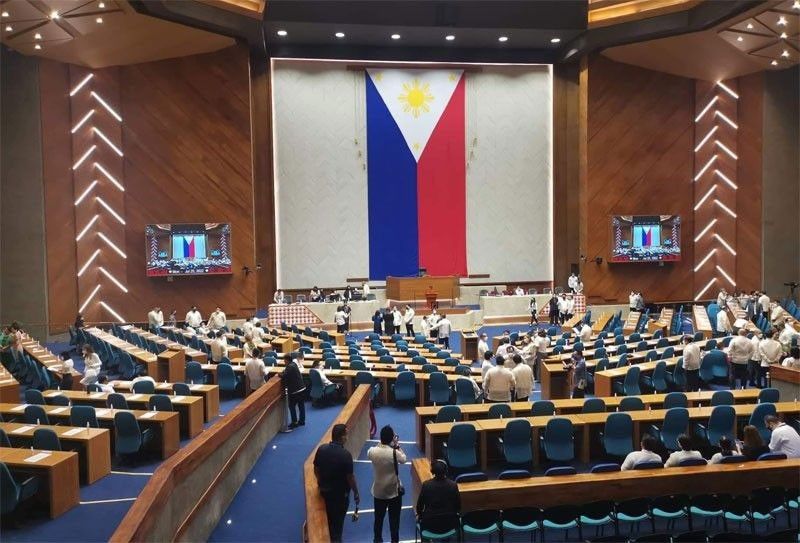
MANILA, Philippines — The House of Representatives on Wednesday, June 4, passed on third and final reading the first legislative wage hike in nearly four decades, seeking to increase private workers’ daily minimum wage by P200.
With only a few weeks remaining in the 19th Congress, the lower chamber passed House Bill 11376 in a final push to advance the wage hike with 172 in favor, 0 against and 1 abstention.
This sets the stage for bicameral talks with the Senate, which passed its counterpart version in 2024. Senate Bill 2534 proposes a more modest wage increase of P100.
Rep. Raymond Democrito Mendoza of the Trade Union Congress of the Philippines (TUCP), one of the bill's principal authors, said in a statement that the wage hike “has the power to lift over 5 million minimum wage earners and their families” by bringing them even a bit closer to the living wage.
“We are way past the stage of whether we will pass a legislated wage hike, but how much that wage hike will be,” he added. “For us workers, of course, the answer is clear: the higher, the better.”
Mendoza also urged President Ferdinand “Bongbong” Marcos Jr. to sign the bill into law, calling it a chance to make history and a “defining moment” of his presidency.
“Let your presidency be forever remembered as the administration that finally had the vision, the courage and the will to break the chains of stagnant starvation poverty wages and deliver real hope to our nation’s workers,” he said.
The president, however, has expressed reservations over the wage hike bill, stressing the need for a thorough study to prevent unintended effects on businesses, which could drive inflation.
Minimum wages in the Philippines are set by regional wage boards in an effort to reflect the differing cost of living across the country. Adjustments are made periodically, with slight increases depending on the region and the nature of the work, whether agricultural or not.
Labor groups have slammed the wage boards system for setting unequal pay rates despite workers putting in the same effort for the same job and facing comparable living costs.
The disparity shows in regional wage rates: Metro Manila’s minimum wage is P645 per day, while the Bangsamoro Autonomous Region in Muslim Mindanao sets it at only P361.
"This means the current average wage in the country is glaringly insufficient for families to sustain and afford adequate food, shelter and other basic necessities, while still being able to have savings," Rep. Arlene Brosas (Gabriela Women's Party) said during her manifestation.
Citing biblical scripture, Rep. Eduardo Villanueva (CIBAC Party-List) said workers deserve their wages, stressing that the proposed legislative wage hike is an ethical duty and "not just an economic and social measure."
"We must act with justice and compassion for the nation’s workforce," he added.
Workers also argue that the boards lean in favor of employers, while the small increases granted still fall well short of the over P1,200 daily estimated family living wage.
IBON Foundation’s analysis shows that large firms can also afford the wage hike and still turn a profit.
Should the bill become a law, the government plans to extend assistance to smaller businesses that are likely to face greater financial strain as required by the bill.
RELATED: How will wage hikes impact businesses? Economist breaks down the data
The question now is one of timing: Can Congress transmit an enrolled bill to the president before it adjourns — and what will Marcos do once it lands on his desk?
--
Editor's Note: House Senior Deputy Aurelio Gonzales said there are no votes against the bill. The previous article indicated that 171 solons voted in favor and 1 is against. This has been corrected to reflect the correct number of votes: 172 in favor and 1 abstention.


- Latest
- Trending