BOP deficit narrows to 1.5 billion dollar in October
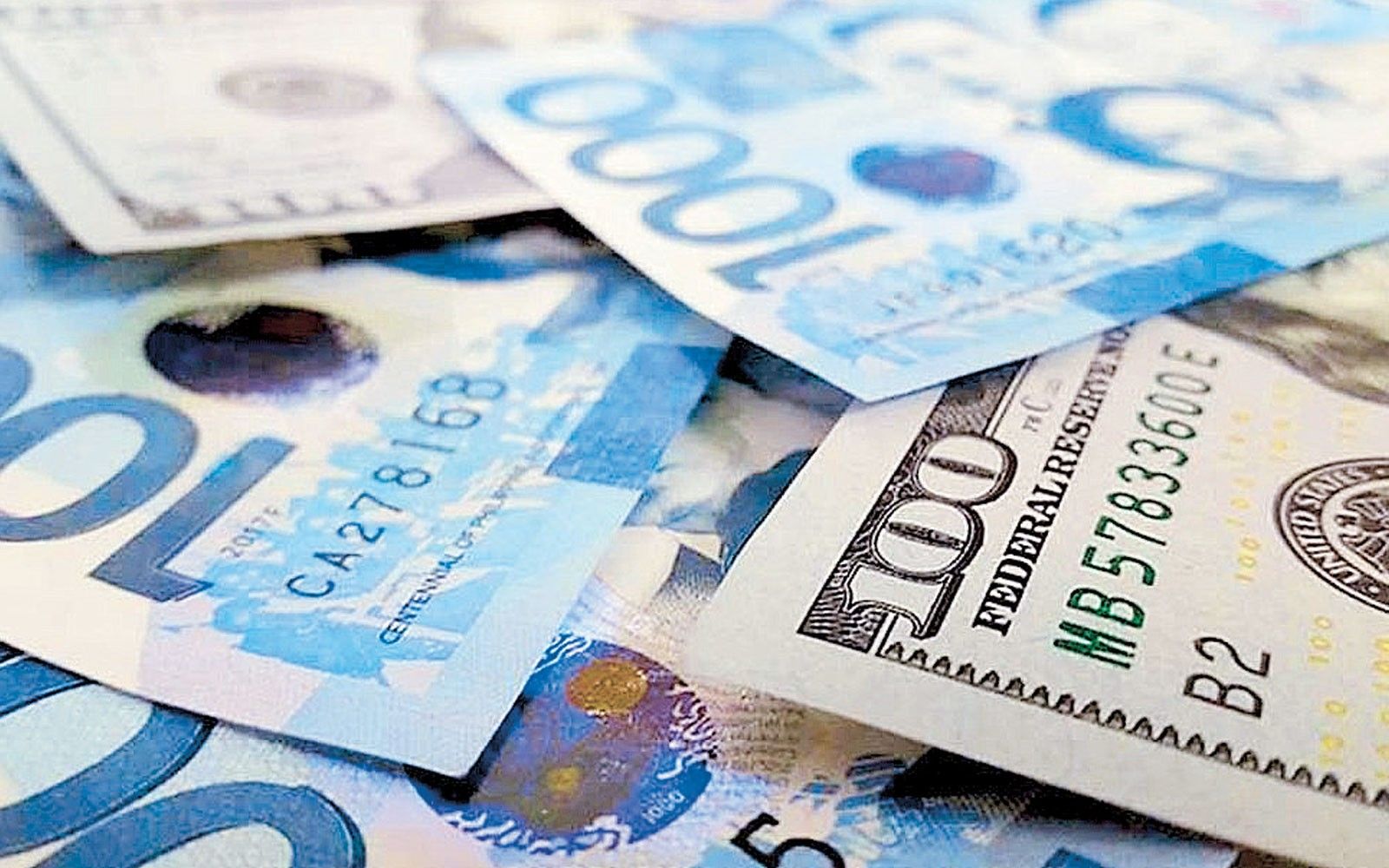
MANILA, Philippines — The Philippines’ balance of payments deficit narrowed in October, although the country’s cumulative external shortfall continued to widen as trade and investment outflows weighed on dollar flows.
Data from the Bangko Sentral ng Pilipinas (BSP) showed the balance of payments (BOP), the country’s record of transactions with the rest of the world, posted a $1.5-billion deficit in October.
This was about half the $3.14-billion shortfall recorded in September, but still marked a reversal from the $706-million surplus in October last year.
This brought the cumulative BOP deficit to $10.59 billion in the 10-month period ending October, more than double the $4.61-billion shortfall recorded in the same period a year ago.
“The year-to-date BOP position reflected the continued trade in goods deficit and net outflows from foreign portfolio investments,” the BSP said.
A BOP deficit means more foreign currency flowed out of the economy than came in during the period through transactions such as trade, investments and government financing.
Foreign portfolio investments are overseas funds placed in financial assets such as stocks and bonds and can move more quickly in and out of the country than longer-term foreign direct investments.
These outflows were partly cushioned by sustained inflows from personal remittances of overseas Filipinos, government foreign borrowings, trade in services and foreign direct investments.
Meanwhile, the country’s gross international reserves (GIR) fell by 1.6 percent to $97.95 billion as of end-October from $99.49 billion in September. The latest reserve level was also 11.2 percent below the $110.25 billion recorded in October last year.
GIR refers to foreign assets held by the BSP, including securities, foreign currency deposits, gold and special drawing rights. These reserves help the country pay for imports and external debt and provide a cushion against external shocks.
The BSP said the decline was mainly due to its net foreign exchange operations, lower valuations of gold as global prices fell, and government withdrawals of foreign currency for debt servicing and other funding requirements.
“Notwithstanding the decline, the latest GIR level provides sufficient foreign currency to meet the country’s import needs, service its external debt obligations, and serve as a buffer against external economic shocks,” the BSP said.
The reserve buffer was equivalent to 6.1 months’ worth of imports of goods and payments for services and primary income. It could also cover about 3.2 times the country’s short-term external debt based on residual maturity.


- Latest
- Trending