Rice tariff collection rises 18 percent
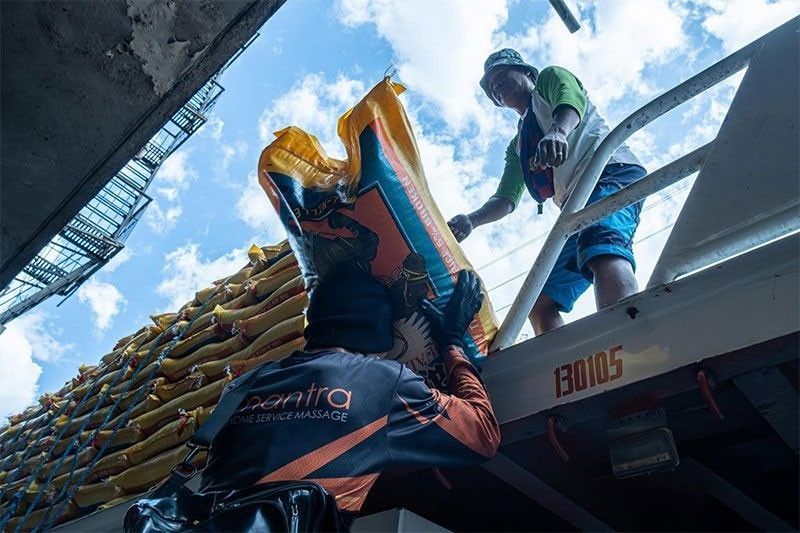
MANILA, Philippines — The government’s rice tariff collection from January to July rose by 18 percent on an annual basis to almost P13 billion, driven by higher import volume and weaker peso, data from the Bureau of Customs (BOC) showed.
The BOC collected P12.8 billion in rice tariffs during the seven-month period, about P2 billion higher than the P10.78 billion recorded in the same period a year ago, based on preliminary data.
The BOC registered its highest rice tariff collection this year last July at nearly P2.2 billion, almost double the P1.12 billion recorded in the same month last year.
From January to July, the BOC recorded around 3.42 million metric tons of imported rice, more than a quarter higher than the 2.69 million MT that entered last year.
Agriculture officials earlier explained that the country has been importing more rice this year to serve as a buffer against the looming threats of extreme weather conditions, especially El Niño, on domestic production.
Separate data from the Bureau of Plant Industry (BPI) showed that July posted the highest rice import volume applied by eligible traders and importers this year at 931,646 MT. From January to July, nearly five million MT of rice imports have been applied at the BPI by eligible traders and importers.
Global rice prices, particularly that of fragrant Vietnamese rice, the most in-demand imported variety, have been on a decline this year, providing a price incentive for importers to bring in foreign stocks.
The average price of Vietnam fragrant five percent rice from January to July fell by six percent year-on-year to $457.3 per MT, according to the United Nations’ Food and Agriculture Organization.
The weaker foreign exchange during the seven-month period also contributed to the higher tariff collection, BOC data showed.
The average exchange rate applied on imported rice from January to July was around P60.10 to $1, about five percent weaker than the P57.08 exchange rate in the same period of last year, based on BOC figures.
The monitoring of the rice tariff collection has been more critical for the government since it is being earmarked for the development of the local rice industry. At present, the government allots a guaranteed P30 billion for the rice competitiveness enhancement fund, which is primarily financed by the rice tariff collection.
In the event that rice tariffs collected fall below P30 billion, the deficiency would be sourced from the regular budget of the DA. But when rice tariff collection exceeds P30 billion, the excess amount would still be earmarked for the local rice industry’s modernization.








- Latest
- Trending