‘Philippines unlikely to operate nuclear plant by 2032’
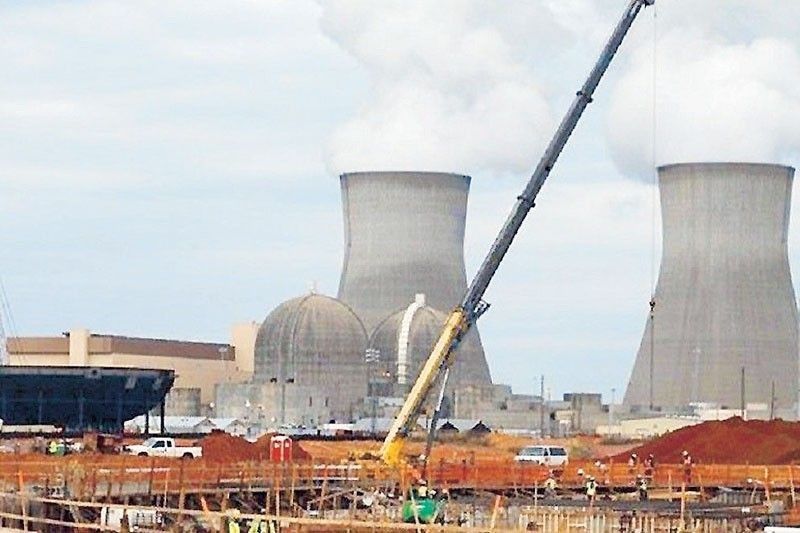
MANILA, Philippines — Although the Philippines is well-positioned to develop nuclear power plants, having its first operational facility by 2032 remains unlikely, according to the Nuclear Energy Agency (NEA).
“I don’t think you’re going to have the first reactor operating in six years. It simply takes longer than that,” NEA director-general William Magwood IV said on the sidelines of the Philippine Nuclear Regulatory Framework Workshop yesterday.
Magwood highlighted the complexities of nuclear development, emphasizing the need for stringent regulatory frameworks and extensive coordination between the government and the private sector.
Still, he noted that the Philippines is moving in the right direction toward generating its first kilowatt-hours of nuclear power.
“It will certainly happen within the foreseeable future,” he stressed, adding that continued growth in public acceptance would help advance the country’s nuclear ambitions.
Under its existing roadmap, the country aims to develop 1,200 megawatts of nuclear power capacity by 2032, increasing this to 2,400 MW by 2035 and 4,800 MW by 2050.
Despite the possibility that the first nuclear plants may not become operational until 2038, the Department of Energy (DOE) remains optimistic about achieving the country’s nuclear targets.
“We would stick to what’s in the plan, the capacities to 2035 and 2040 and beyond, precisely to get the other agencies and the whole government,” DOE director Patrick Aquino also told reporters.
The Philippines is particularly exploring the deployment of small modular reactors (SMRs), which can generate up to 300 MW of electricity.
Despite their potential, however, SMRs remain at an early stage of development globally. Under Philippine regulations, a country of origin must first demonstrate at least two years of safe, incident-free operation before the technology can be adopted locally.
The country’s nuclear ambitions also hinge on the issuance of the implementing rules and regulations of the Philippine National Nuclear Energy Safety Act.
The law provides for the establishment of the Philippine Atomic Energy Regulatory Authority (PhilATOM), an independent, quasi-judicial regulatory body.
When asked whether delays in establishing PhilATOM could affect the country’s nuclear targets, Aquino maintained that the program remains on track.
“As long as we get PhilATOM up and running, no delay so far,” he said.









- Latest
- Trending