Balance of payments back to surplus in May
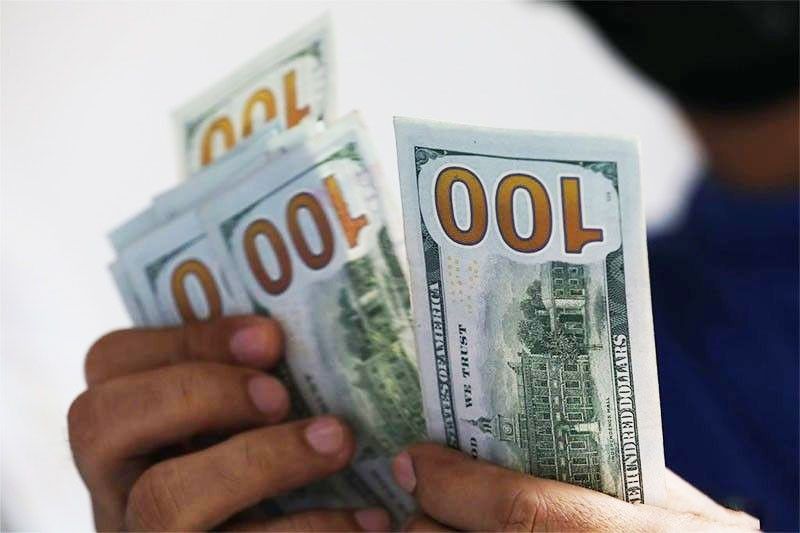
Lower oil prices, steady dollar inflows
MANILA, Philippines — The balance of payments (BOP) position returned to a surplus in May, snapping six straight months of deficits, as oil price rollbacks and steady dollar inflows eased pressure on the country’s external accounts.
Data released by the Bangko Sentral ng Pilipinas (BSP) showed the BOP at a surplus of $131 million in May, a sharp turnaround from the $2.12-billion deficit in April. It also reversed the $298-million deficit logged in May last year.
The BOP, which measures the country’s transactions with the rest of the world, reflects the net flow of foreign currency into and out of the economy.
Despite the improvement in May, the country’s cumulative BOP position remained in the red at $7.28 billion in the first five months of 2026, wider than the $5.82-billion deficit recorded in the same period last year.
“The year-to-date BOP position reflected the continued trade in goods deficit, and net outflows from foreign portfolio investments,” the central bank said.
“However, this was partly offset by the sustained net inflows from personal remittances of overseas Filipinos, foreign borrowings by the national government, trade in services and foreign direct investments,” the BSP added.
Michael Ricafort, chief economist at RCBC, said the turnaround in May was partly driven by the easing of global oil prices after a tentative ceasefire in the Middle East helped temper import costs.
According to Ricafort, lower crude prices have helped reduce the country’s oil import bill, narrow the trade deficit and ease inflationary pressures through lower domestic fuel prices.
He added that the country’s structural sources of dollar inflows remained intact, including remittances from overseas Filipino workers, business process outsourcing revenues, foreign direct investments and tourism receipts.
Looking ahead, he said the recent US-Iran peace deal could further improve the country’s external position if it leads to sustained declines in global energy prices.
Meanwhile, the country’s gross international reserves (GIR) slipped to $103.99 billion as of end-May, the lowest level in 16 months or since January 2025.
The BSP said the decline was mainly due to the national government’s foreign debt payments, downward valuation adjustments in gold and other reserve assets and the central bank’s net foreign exchange operations.
These were partly offset by net foreign currency deposits of the national government and the BSP’s investment income abroad.
Still, the central bank said the reserve level remains adequate, enough to cover 6.7 months’ worth of imports of goods and payments of services and primary income. The reserves are also equivalent to 3.9 times the country’s short-term external debt based on residual maturity.
GIR refers to foreign-denominated securities, foreign exchange and other reserve assets, including gold. These reserves help ensure sufficient dollar liquidity to meet the country’s import needs and foreign debt obligations, address currency volatility and provide a buffer against external economic shocks.


- Latest
- Trending