


Erring bank officials to face stiff penalty
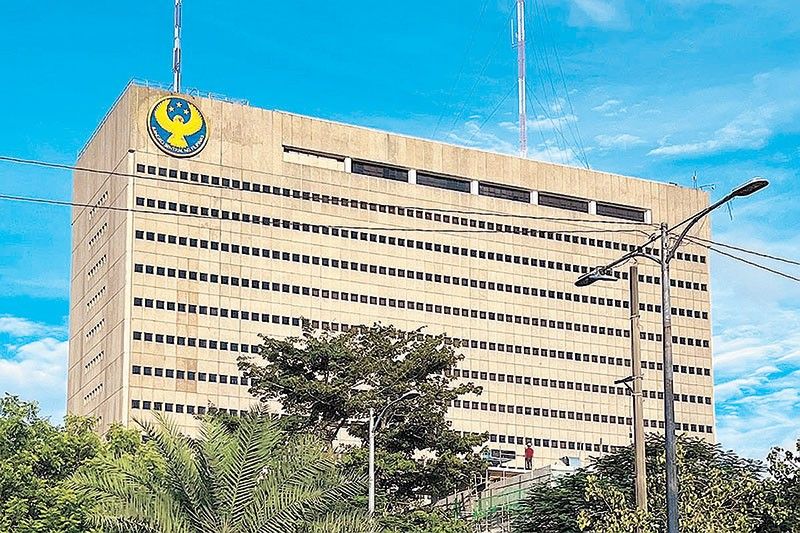
MANILA, Philippines — Bank officials and employees found liable for serious violations could face suspension of up to one year for a first offense and removal or disqualification for repeat offenses under the proposed rules of the Bangko Sentral ng Pilipinas.
In a draft circular, the BSP sets out procedures for administrative cases, which determine liability for violations of banking laws and central bank regulations, against BSP-supervised financial institutions and their directors, trustees, officers and employees.
Stakeholders have until Sept. 25 to submit comments on the proposal.
Under the proposed schedule of non-monetary penalties, a first serious offense will carry a suspension of six months and one day to one year, with a stern warning. Disqualification can also be recommended to the BSP’s Monetary Board if warranted by the severity of the offense.
A second or subsequent serious offense will carry removal from office and/or disqualification.
Serious offenses include fraudulent acts, unsafe or unsound practices and violations of banking laws or Monetary Board directives that have or could have a material adverse impact on a financial institution, its depositors or other stakeholders.
The proposed schedule will apply to administrative proceedings covered by the draft and where the relevant BSP regulatory manuals do not already prescribe a non-monetary penalty. Fines and other sanctions can also be imposed under applicable laws and regulations.
For minor offenses, a first violation without aggravating circumstances will merit a reprimand and a warning against further violations. These offenses include procedural lapses that can be corrected immediately and acts that do not cause material harm or risk.
Second and subsequent minor offenses will carry suspension of one to six months, with possible disqualification if warranted by the severity of the offense.
However, several acts that individually qualify as minor offenses can warrant suspension even if each was committed for the first time.
The BSP will consider factors such as deliberate misconduct, concealment, fraud, significant harm and previous administrative liability in determining penalties. Good faith, cooperation, corrective measures and voluntary admission will be considered mitigating factors.
Beyond the sanctions, the draft lays down procedures for filing complaints, submitting evidence, deciding cases and seeking reconsideration or appeal.
“These rules shall be liberally construed to promote just, inexpensive and speedy disposition of administrative cases filed with the BSP,” the draft stated.
Proceedings will follow a simplified process without necessarily adhering to the technical rules of procedure and evidence used in courts. They will remain confidential, subject to disclosures allowed by law.
Complaints will have to be in writing, under oath and supported by evidence. Anonymous complaints would not be entertained.
Respondents will have 30 calendar days from receipt of the order and complaint to file a sworn answer. Failure to respond will allow the hearing officer to decide the case based solely on the complainant’s evidence or conduct proceedings without the respondent’s participation if necessary.
Once a case is formally submitted for resolution, the hearing officer will have 60 calendar days to render a decision. An extension will require good cause and approval from the director of the Consumer Complaints Resolution Office.
Decisions imposing only fines of up to P100,000 for each transactional violation or P30,000 per calendar day for continuing violations will be submitted to the BSP governor for approval.
Fines above those thresholds and decisions imposing non-monetary sanctions will require Monetary Board approval.


- Latest
- Trending


