More sugar imports loom as output lags
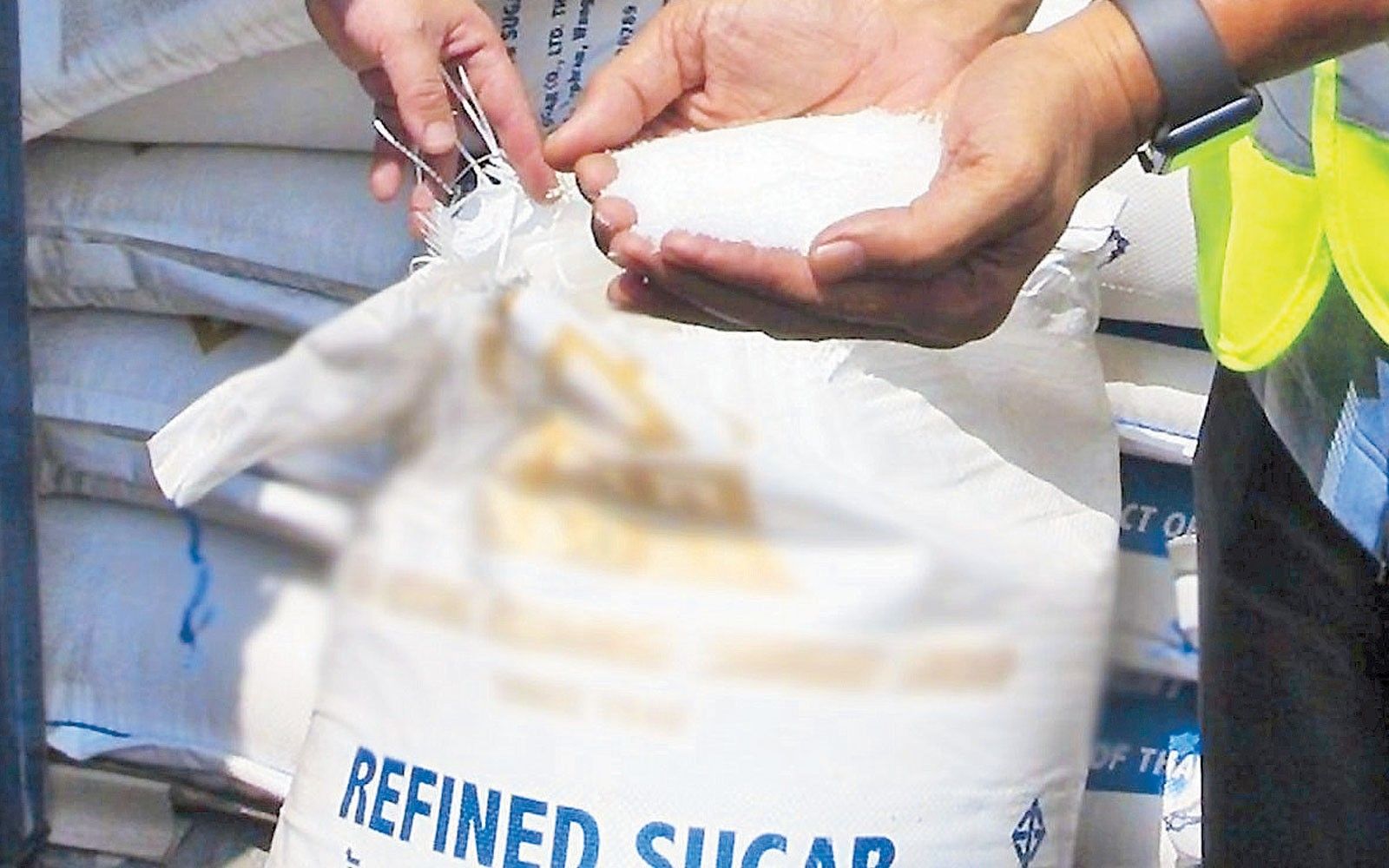
MANILA, Philippines — The country’s low sugar productivity continues to drive the need for imports, with local output still falling short of targets, according to a report from the University of Asia and the Pacific-Center for Food and Agri Business (UA&P-CFA).
In a briefer, the UA&P-CFA said the Philippines lags behind its 75-ton per hectare target in sugar productivity, with local farms averaging only 55 to 60 tons per hectare.
“Low productivity can be attributed to limited access to high-yielding varieties, prevalence of diseases and traditional farm practices,” it said, noting that most farms are small and fragmented.
Most of the country’s sugar production is concentrated in Negros Island, Western Visayas and Northern Mindanao.
Amid continued low sugar yields, the report noted that imports remain necessary to meet local demand, with sugar production only making up 80 percent of supply.
It added that there is a need to improve sugarcane yields, sugar recovery and milling efficiency to reduce production gaps and bolster the industry’s competitiveness.
Additionally, the industry faces high production costs from fertilizer, fuel, labor and transportation, which has hampered the industry’s competitiveness.
The UA&P-CFA said Thailand, the country’s main source of imported sugar, can produce sugar at much lower cost because of its large-scale and mechanized farming operations.
It also stressed that aging sugar mills, underutilized facilities and inadequate farm-to-market roads have contributed to higher costs and lower sugar recovery.
Competition from imported high-fructose corn syrup also continues to weigh down the country’s sugar industry, the report added.
The UA&P-CFA said the industry must improve its infrastructure and farming practices, expand value-added processing and encourage private-sector investment.
“By pursuing these opportunities alongside targeted support for farmers, the industry can achieve sustainable growth, improve the quality of its sugar and strengthen domestic sugar supply,” it added.
The report said that adopting high-yielding, disease-resistant varieties and better farm practices can raise cane yields and sugar recovery.
It added that operators must also upgrade existing mills and strengthen farm-to-mill infrastructure to improve efficiency, lower costs and boost competitiveness.
New revenue sources could also be created by expanding the use of sugarcane by-products, like molasses and bagasse, for bioethanol, animal feed and bioenergy.
The country’s sugar production is expected to decline by at least 10 percent this year to 1.66 million metric tons due to the combined effects of El Niño and pest infestations, according to the Sugar Regulatory Administration.




- Latest
- Trending