Bond yields near peak, but rate cuts not yet in sight

MANILA, Philippines — Philippine bond yields may be nearing their peak, but investors are not yet betting on a rate-cut cycle as lingering inflation and peso risks could keep borrowing costs elevated, according to Manulife Investments Philippines.
Jean Olivia de Castro, head of fixed income at Manulife Investments, said the yield curve has been steepening, with trading concentrated in shorter-dated securities due to the risk of another rate hike from the Bangko Sentral ng Pilipinas (BSP).
Longer-term yields, meanwhile, have been moving higher as investors demand greater compensation for inflation and foreign exchange uncertainty.
“In my viewpoint, this signals that yields are likely near their peak versus early in the hiking phase,” De Castro said. “However, it’s important to note that the market is not pricing a pivot or an easing cycle, just a pause from the BSP.”
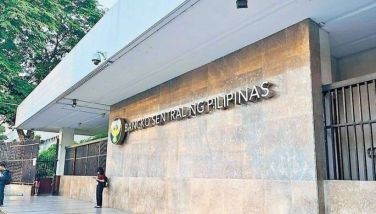
The assessment comes ahead of the Monetary Board’s policy meeting today, in which BofA Global Research expects the central bank to raise the benchmark interest rate by another 25 basis points to five percent.
BofA said the move would “probably” be the last increase in the current tightening cycle as economic growth slowed in the second quarter.
However, BofA said financial markets are pricing in 50 basis points worth of cumulative hikes over the next six months, indicating expectations that the BSP may extend its tightening campaign beyond the August meeting.
The central bank has raised the policy rate by a total of 50 basis points this year, delivering quarter-point increases in April and June that brought the benchmark rate to 4.75 percent. These moves partially reversed 225 basis points in cuts from August 2024 to February 2026.
De Castro said shorter-term yields have begun moving lower as the bond market focuses on softer recent inflation readings, weaker growth momentum and the possibility that the BSP only needs a measured amount of additional tightening.
“I believe that this view can hold as long as inflation keeps surprising lower and forex or oil shocks stay contained,” she said. “However, it is important to note that it is fragile: with upside risks of higher oil prices, El Niño and second round inflation effects still present.”
BofA likewise said Philippine monetary policy would remain sensitive to movements in oil prices and the dollar, given the country’s exposure as an energy importer.
The Philippines, India and Indonesia are the only economies in BofA’s regional coverage that currently maintain policy rates above that of the US Federal Reserve. The rate advantage has helped limit capital outflows and depreciation pressure on their currencies.
However, BofA said the widening gap between United States and Asian short-term yields remains a headwind for Asian currencies as elevated US rates continue to attract investment flows.
Against this backdrop, De Castro said shorter-dated Philippine bonds could remain supported by high yields, while longer-dated securities may stay volatile until inflation risks ease more clearly.
Investors may also prefer shorter maturities for the flexibility to reinvest if yields rise further, although they face the risk of having to reinvest at lower rates if inflation moderates and monetary policy eventually loosens.
In the equities market, Manulife Investments Philippines head of equities Elle Jamil said investors have also turned cautious amid the threat of persistent inflation and weak economic growth.
Companies with predictable recurring cash flows and large dividend payouts have served as a refuge for investors, while beaten-down consumer stocks may offer value for those with a higher risk appetite and a longer investment horizon.
Jamil said property stocks might remain sidelined under a higher-for-longer interest rate environment, while highly leveraged industries such as airlines, telecommunications and infrastructure could continue to face pressure.
Banks tend to benefit from elevated yields, but higher borrowing costs are already weighing on corporate and middle-market loan demand.
“Even the consumer segment, which drove most of the growth over the past three years, may start showing signs of stress in asset quality,” Jamil said.
She said sustained month-on-month improvement in inflation could eventually restore confidence in cyclical and rate-sensitive stocks. However, a more durable market recovery would require a rebound in economic growth.






- Latest
- Trending