


DA to boost Philippines ube exports
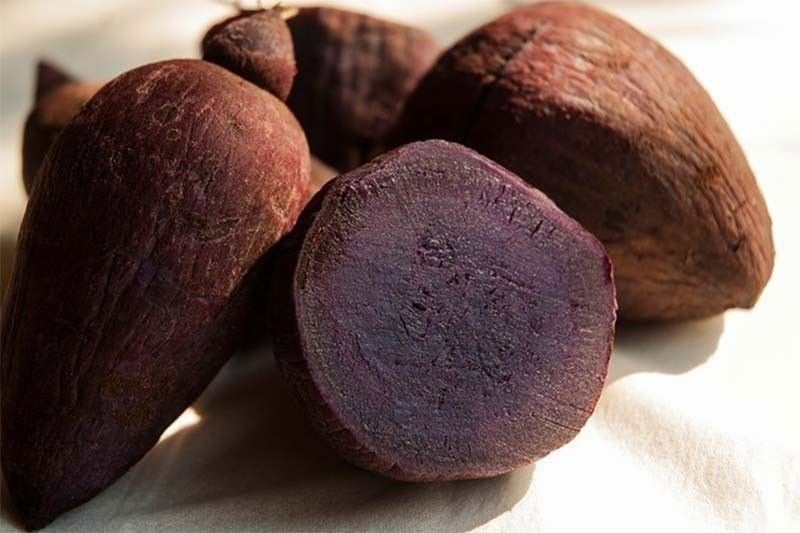
MANILA, Philippines — The Department of Agriculture (DA) is stepping up efforts to transform ube from a niche export into the country’s next high-value agricultural product.
The DA said stronger industry coordination, expanded production and unified branding can unlock a larger share of the fast-growing global market.
At a consultative meeting with growers, processors, exporters, researchers and other stakeholders, Agriculture Secretary Francisco Tiu Laurel Jr. said that the government would pursue an industry-led strategy rather than prescribe solutions from the top down.
“We want to identify the actual needs of the industry. I don’t want the Department of Agriculture deciding for stakeholders what the industry needs,” Tiu Laurel said, emphasizing that the DA’s role is to provide funding, policy support and research based on priorities identified by the industry itself.
While coconut, bananas, mangoes, pineapples and durian remain key export earners, officials see ube as an emerging product with significant untapped potential amid growing international demand for natural food ingredients and premium processed products.
Despite strong demand, stakeholders said the industry continues to grapple with fragmented supply chains, inconsistent quality standards, inadequate planting materials and the absence of a unified national marketing strategy.
To address these bottlenecks, the DA outlined several immediate priorities, including the creation of a national ube federation to unify producers, processors and exporters under a common industry agenda.
Tiu Laurel urged stakeholders to immediately formalize the organization, describing it as a critical first step toward strengthening coordination across the value chain.
The department also plans to accelerate the production of quality planting materials through tissue culture, community-based nurseries and the mini-sett propagation technique, which can multiply planting materials faster than conventional methods.
Proposed propagation sites include Quezon, Laguna, Pangasinan and Aurora, while additional processing hubs are being eyed in Mindanao.
Research institutions also highlighted promising advances in varietal development, including a high-yield purple ube that could substantially increase local production.
The DA instructed researchers to fast-track the naming and evaluation of new varieties while working with the private sector to determine which cultivars best meet commercial requirements.
Branding emerged as another major issue during the discussions, with stakeholders calling for a single Philippine ube identity to differentiate local products from lower-priced regional competitors.
Participants also raised concerns that geographical indications linked solely to Bohol’s kinampay variety could limit broader national promotion.
Tiu Laurel said the DA would support an independent market study to determine the country’s optimal branding strategy while continuing efforts to register and promote Philippine ube globally.
“The real competition is not among Filipino ube growers but with our ASEAN neighbors,” he said.
The secretary directed the industry to develop a standardized color classification system for purple ube using a Lovibond colorimeter, strengthen marketing campaigns, secure legal protection for Philippine ube and concentrate investments in the country’s most competitive production areas.


- Latest
- Trending


