


A stronger front against counterfeit medicines
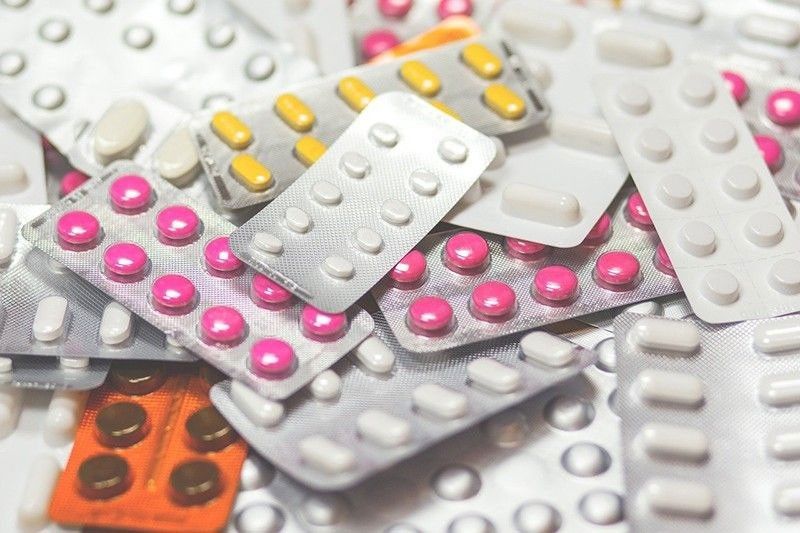
Counterfeit medicines are not random fakes circulating on the fringes of society. They are the products of organized, adaptive and dangerous criminal networks that put Filipino lives at risk every single day. What may appear to be a cheap alternative or a convenient online purchase can in fact be a dangerous product with no guarantee of safety, quality, or effectiveness.
Recent enforcement operations led by the Food and Drug Administration, together with law enforcement agencies, show the scale of the threat. In Makati, authorities seized around P102 million worth of counterfeit anti-cancer medicines, including vials falsely marketed for oncology treatment. In Quezon City, operatives uncovered fake anti-obesity drugs along with packaging materials, labels, and communication devices, pointing to systematic repackaging and distribution.
At the border, the Bureau of Customs intercepted more than P50 million worth of counterfeit pharmaceutical products hidden in shipments misdeclared as non-medical goods.
These cases reveal a troubling reality: counterfeit medicines are moving through the supply chain with alarming sophistication, from importation to warehousing, distribution, and retail. They are no longer confined to hidden storage facilities. They are increasingly found in online marketplaces, social media sellers, aesthetic clinics offering injectables without proper oversight, and even informal channels such as sari-sari stores where regulation is weakest.
For consumers, the consequences are immediate and severe. A cancer patient receiving fake chemotherapy is not simply defrauded. That patient may lose precious treatment time or face disease progression. A person buying weight-loss injectables online may be exposed to unverified substances with unknown long-term effects. A parent purchasing cough and cold medicines from an unregulated neighborhood source may unknowingly give a child ineffective treatment. In some cases, counterfeit medicines may contain the wrong ingredients, the wrong dosage, contaminants, or no active ingredient at all.
This is not only a law enforcement issue. It is a public health issue, a consumer protection issue, and a trust issue. Every counterfeit product that reaches the market weakens confidence in the medicines Filipinos depend on. When public trust erodes, even legitimate treatment programs can suffer. Patients may hesitate to buy prescribed medicines or delay care altogether.
These concerns were front and center during the First Policy-to-Practice Roundtable Series, Strengthening Regulatory Implementation and Safeguarding Quality Medicines in the Philippines, held on April 15, 2026 and organized by the Swiss Chamber of Commerce of the Philippines and Zuellig Pharma. The gathering brought together regulators, industry leaders, and consumer advocates to discuss how the country can better confront counterfeit and substandard medicines.
The representative from the Swiss embassy highlighted that strong, science-based, and predictable regulatory systems are essential not only for patient safety, but also for encouraging innovation and attracting long-term investment in life sciences. That point matters. Countries with credible and efficient regulatory systems are better positioned to attract quality manufacturers, research partnerships, and advanced health technologies. Strong regulation should not be seen as a barrier to growth. It is a foundation for sustainable growth.
At the same forum, FDA leadership emphasized that enforcement alone will never be enough. Counterfeiters move quickly, exploit loopholes, and adapt faster than many institutions. To keep pace, the country needs stronger traceability systems, faster information-sharing, tighter coordination between agencies, and deeper partnerships with legitimate manufacturers and distributors.
That message deserves public attention. The FDA cannot fight this battle alone. Neither can Customs, local governments, law enforcement, nor the private sector acting independently. Counterfeit networks thrive when institutions work in silos. They lose ground when information is shared and action is coordinated.
The challenge is especially complex in the Philippines because medicines reach consumers through many channels. Large pharmacy chains operate alongside small retailers, community sellers, digital merchants, and cross-border e-commerce platforms. Regulatory oversight becomes harder when supply chains are fragmented and sellers can easily disappear or reopen under new names online. Enforcement agencies are then forced to chase a moving target.
Our consumer advocacy was represented by CitizenWatch Philippines Lead Convenor Orlando Oxales at the roundtable. He raised an uncomfortable truth: many Filipinos do not buy from informal or unregulated sellers out of carelessness. They do so because of cost, urgency, convenience, or lack of access. When someone in the family is sick, people often choose what is available now and what they can afford now. For lower-income households, waiting for safer options may not feel like a real option at all.
This is the heart of the problem. Consumers do not knowingly choose counterfeit medicines. Too often, safe and verified options are not the easiest ones to find. As digital commerce expands faster than regulatory oversight, that gap becomes more dangerous.
The path forward requires a stronger, more coordinated, and more transparent response. Enforcement operations must continue, but they must be matched by proactive surveillance, faster case build-up, stronger prosecution, and penalties severe enough to deter repeat offenders. Cases that drag on for years weaken deterrence and embolden counterfeiters.
Digital platforms must intensify the detection and removal of illegal listings. Clinics offering injectables and IV treatments must be subject to strict compliance checks. Informal retail of medicines through unlicensed sellers must be decisively addressed. At the same time, consumers need accessible tools to verify products, report suspicious listings, and understand the risks of buying from unregulated sources. Product authentication systems, QR-based verification, and public hotlines can help close the information gap.
Roundtables like the one convened by the Swiss Chamber show what is possible when government, industry, and civil society come together with a shared purpose. Dialogue matters. But dialogue must lead to reforms that are measurable, sustained, and system-wide.
Safe, quality, and effective medicine is not a privilege. It is a basic right. As counterfeit networks become more sophisticated, the country’s response must become faster, smarter, and more united. Collaboration is not optional. It is our strongest defense.
---
Alvin Manalansan is a health and nutrition fellow at the Stratbase Institute and co-convenor of UHC Watch and CitizenWatch Philippines





- Latest


