A roadmap for forward-looking leadership
The Philippines finds itself at a pivotal moment in history as it confronts a multifaceted set of political and economic challenges that require urgent and strategic action. These challenges are dynamic and evolving, shaped by both domestic conditions and external factors.
While they pose significant risks to national stability and development, they also present opportunities for reform, resilience and long-term growth if addressed with foresight and effective leadership.
These broader developments were brought into sharper focus in 2025 when a series of significant developments further shaped the national landscape. The arrest of former president Rodrigo Duterte by the International Criminal Court intensified national and international debates on accountability, justice, and the rule of law.
Cabinet reshuffles and the introduction of a new legislative agenda that focused on strengthening governance, improving the investment climate, expanding social services and ensuring energy security also further defined the year.
At the same time, corruption scandals linked to flood control projects, along with external pressures such as U.S. reciprocal tariffs, heightened uncertainty and weighed on public trust, business confidence, and overall economic performance.
Against this backdrop, on January 20, the Stratbase Institute for Strategic and International Studies launched the book “Politiká Beyond 2028: The Urgency for Resilient Growth, Inclusive Governance, and Geostrategic Thinking.” This book offers a timely guide to help the nation navigate an era of uncertainty while seizing emerging opportunities.
Structured around four thematic sections, the book provides a comprehensive examination of the country’s current challenges and realities, while outlining practical strategies to ensure economic security, promote sustainable development, strengthen governance, and reinforce national security.
As such, the book focuses on four key themes: (1) economic security and sustainable growth; (2) governance, transparency, and environmental resilience; (3) defense, security, and strategic posture; and (4) geostrategic thinking and regional dynamics.
By combining rigorous analysis with practical recommendations, the volume serves both as a roadmap and as a call for forward-looking leadership capable of addressing complex, long-term challenges.
The book specifically examines how economic vulnerability, institutional weakness, and external pressures intersect to threaten national stability in an increasingly complex regional and global environment.
It emphasizes that economic stability and governance reform must advance together. Sustainable development, competitiveness, and national security should function as mutually reinforcing objectives, rather than being pursued as distinct or independent goals.
To support this argument, the volume brings together a collection of in-depth studies written by authors who are prominent in their respective fields across the Indo-Pacific, which, all together, offer diverse perspectives and relevant insights on the challenges and opportunities facing the region.
The book aims to present strategies for resilient economic growth and sustainable development. The Philippines faces multiple vulnerabilities, including trade imbalances, infrastructure gaps, and climate-related risks, which have been exacerbated by global economic fragmentation and geopolitical tensions.
To navigate these challenges, the book underscores the need to diversify trade and investment partnerships, institutionalize economic and governance reforms, and engage with trusted international partners to reduce external vulnerabilities.
By capitalizing on its geostrategic location, abundant natural resources, and young population, the Philippines can strengthen its role in the global economy while improving the quality of life of Filipinos.
Moreover, growing demands from the public for accountability and ethical leadership make addressing entrenched corruption and operational inefficiencies a pressing priority. The book emphasizes the need for implementing sound governance practices, anti-corruption strategies, and enhanced coordination across institutions to ensure policies are carried out effectively.
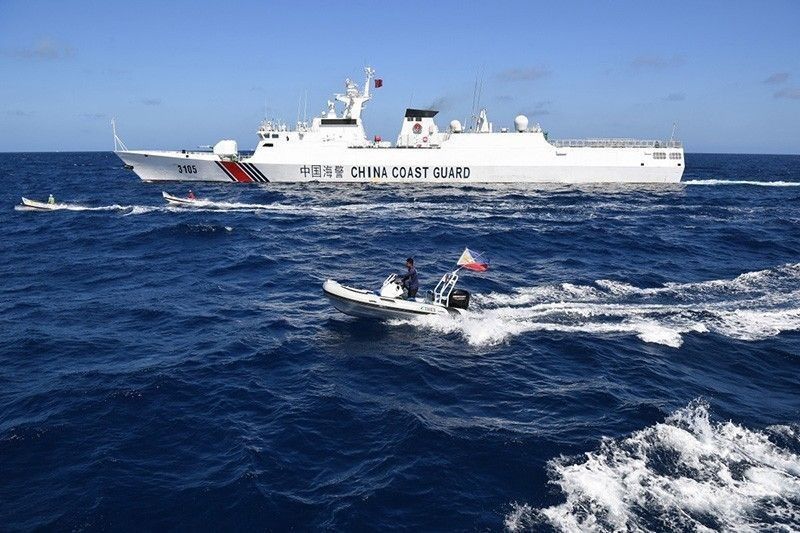
Finally, the book turns to the need to enhance geostrategic thinking and national security amid the rapidly evolving Indo-Pacific landscape. The Philippines faces a series of critical challenges, from tensions in the West Philippine Sea to the persistent aggression of China, which pose both immediate and long-term risks to its sovereignty.
To address these threats, the book advocates a multi-dimensional strategy that integrates maritime defense, cybersecurity, and defense modernization to ensure that the country is prepared to protect its territorial integrity and strategic interests.
Moreover, it emphasizes the need to cultivate strong international collaborations, particularly with partners like the United States and Japan, to navigate the complexities of an increasingly uncertain global environment.
Above all, maintaining good governance remains fundamental. Strong institutions, transparent processes, and accountable leadership create the conditions for businesses to thrive, attract investment, and ensure that economic expansion benefits communities across all regions.
Decisions and policy reforms made at both the national and international levels have a direct and tangible impact on the daily lives of citizens.
By combining principles of good governance with strategic partnerships and collaboration, the Philippines can cultivate an economy that is not only resilient and appealing to investors but also capable of delivering measurable improvements in the quality of life for its people.
For reforms to produce lasting effects, they must be institutionalized in ways that transcend political cycles and leadership transitions. This can be achieved through legislative action, executive orders, or other formal mechanisms that embed policy improvements into the nation’s governance framework.
Temporary or sporadic changes, on the other hand, risk being merely symbolic gestures with little substantive impact, which can often create instability rather than meaningful progress. Institutionalized reforms signal stable, forward-looking governance, reinforcing policy continuity and strengthening the structural foundations of a developing economy.
In an era of rapid global change, such enduring measures are essential not only for domestic stability but also for projecting resilience and credibility on the international stage.
Effective governance not only cultivates resilient and inclusive economic development but also strengthens national security and defense by promoting social stability, safeguarding critical infrastructure and enhancing the country’s capacity to respond to external and internal threats.
Hence, governance, economic growth, and national security are deeply interconnected, with each reinforcing the other to create a more stable and prosperous future for the nation.
This book urges national leaders and key decision makers to adopt a forward-looking mindset by planning beyond electoral cycles and short-term political timelines. It emphasizes the importance of anticipating long-term risks and structural challenges, rather than merely reacting to crises as they arise.
By promoting strategic foresight, sustained policy coherence, and institutional resilience, the book calls for proactive leadership that can safeguard national interests, strengthen governance, and ensure stability and growth over the long term.
Under current circumstances where the Philippines is thrust into a position of regional leadership due to its geostrategic location and inherent capability within a larger global context, it is incumbent upon the country to position itself well and perform its expected role as a responsible and respectable Asian leader-state should.
--
Venice Isabelle Rañosa is the Research Director of the Stratbase Group.








- Latest