The national budget as the lifeblood of growth and prosperity
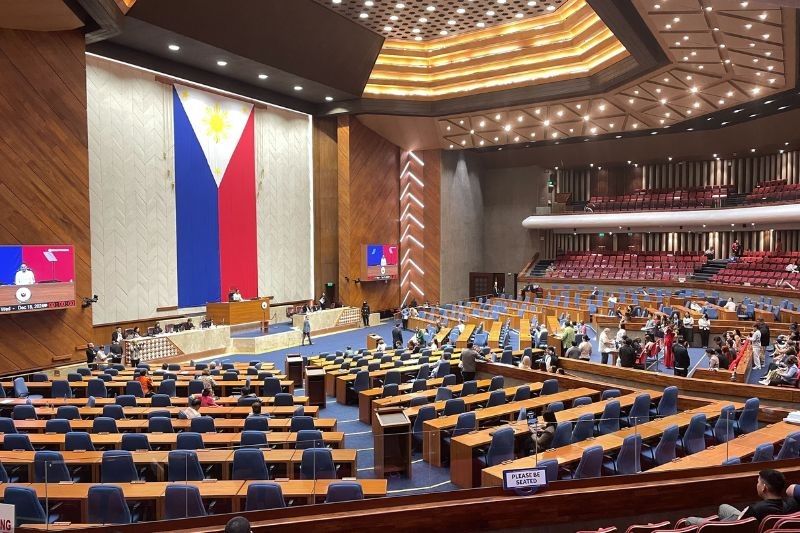
This week marked the start of deliberations on the proposed 2026 national budget in Congress, the first under the new 20th Congress.
Beginning with a briefing by the Development Budget Coordination Committee (DBCC), the government’s economic team presented the macroeconomic assumptions, revenue generation strategies, expenditure management plans, and the government’s commitment to transparency and public participation in the budget process.
At its core, the national budget sustains government operations and drives national development and economic growth. The intended impact of public policies cannot be maximized without sufficient resources to fuel their effective implementation.
Beyond financing programs, the budget also serves as a powerful tool that stimulates industries, generates jobs, and strengthens investor confidence.
As a crucial economic instrument that fuels government activities and ensures the effective delivery of public services, the national budget must serve the needs of the people, from healthcare to infrastructure development.
This national budget is funded by tax revenues, proceeds from government investments, and savings from government agencies and companies. If all these are not enough to fund the entire budget, the government resorts to borrowings, whether domestic or foreign.
Ideally, the national budget should be people-centered – one that squarely supports projects and programs that directly address the needs of Filipinos on the ground. In the face of external developments that may trigger ripple effects and affect the Philippine economy, it is crucial for the country to remain internally resilient and to build a strong foundation for inclusive, long-term growth.
The proposed P6.793-trillion national budget for 2026 represents a 7.4% increase from the P6.326-trillion budget in 2025.
Carrying the theme, “Agenda for Prosperity: Nurturing Future-Ready Generations to Achieve the Full Potential of the Nation,” the 2026 budget is equivalent to 22.0% of the country’s gross domestic product.
Because the budget is derived from the people’s money, its priorities must reflect the needs and aspirations of Filipinos.
A June 2025 survey by Pulse Asia Research, Inc. found that controlling inflation remains the most urgent national concern for 62% of Filipinos, followed by increasing the pay of workers (51%). Reducing poverty (26%), creating more jobs (25%), and fighting graft and corruption in government (24%) were also identified as key concerns.
In line with these priorities, the proposed 2026 national budget allocates the largest share to the social services sector, amounting to P 2.314 trillion or 34.1% of the total budget.
This funding covers priority projects in education, culture, and workforce development (P 1.194 trillion), healthcare (P 331.4 billion), and social security, welfare, and employment (P 295.8 billion), among others. This reflects demand for stronger social protection given concerns over poverty and inflation, which continue to burden Filipino households.
The second-largest share goes to Economic Services, which will receive P1.868 trillion or 27.5% of the budget.
These funds support initiatives that stimulate economic activity nationwide, including communications, roads, and transport (P777.2 billion), agriculture and agrarian reform programs (P256.5 billion), water resources development and flood control (P259.3 billion), and tourism (P6.5 billion). Such initiatives can help create more jobs, as reflected in the survey findings.
Other allocations include General Public Services (17.7%), Debt Burden (14.4%), and Defense (6.3%).
While the Pulse Asia survey highlights that Filipinos’ top concerns are largely economic, it also underscores the people’s growing demand for accountability.
Persistent reports of corruption in government projects, such as the alleged irregularities in flood control programs recently called out by President Ferdinand Marcos Jr. in his State of the Nation Address (SONA), fuel public frustration.
While government planners try to address the need for infrastructure development as a means to sustain economic growth, corruption hinders its full implementation.
In his recent SONA, the President ordered an audit of flood control projects under his administration and condemned the corruption that has worsened the suffering of communities hit by recent storms and flooding.
Against this backdrop, the DBCC budget deliberations emphasized ongoing reforms to strengthen transparency and accountability in the budget process by expanding civil society participation and opening legislative discussions.
Encouragingly, reforms to enhance transparency in government and improve public access to budget information have been sustained, beginning with the digitalization of national budget documents during the administration of former President Benigno Aquino III.
In 2023, the issuance of Executive Order No. 31 institutionalized the Philippine Open Government Partnership, which seeks to ensure citizen engagement while advancing openness, transparency, and inclusivity in both national and local governance.
These initiatives help ensure that every peso is properly spent and truly benefits the people. After all, it is the government’s responsibility to serve its constituents and fulfill their needs.
Interestingly, the 2026 budget also introduces a new general provision on the implementation of sustainable practices in government operations to ensure that resources are managed responsibly to meet both present and future needs.
Under this provision, agencies must prepare their own Sustainability Strategic Plans in line with guidelines to be issued by the Department of Budget and Management.
This indicates a shift toward institutionalizing sustainability in fiscal governance, with long-term resilience becoming an integral component of national budgeting.
Ultimately, the national budget is a vital economic instrument – one that invests in the country’s present while securing its future.
It ensures that government programs not only benefit people today but also provide lasting gains for future generations.
With this comes the crucial responsibility to guarantee that every peso spent goes to its intended projects and beneficiaries, that unscrupulous last-minute insertions are prevented, and that accountability mechanisms are firmly in place.
Halfway through the Marcos administration, it becomes even more critical that budgetary priorities translate into meaningful outcomes.
Beyond numbers, programs must deliver tangible improvements in people’s lives and leave a legacy of inclusive growth, transparency and good governance.
After all, a budget that truly serves the people is not just about sustaining government operations. More importantly, it is about shaping a stronger, more resilient nation for years to come.
Venice Isabelle Rañosa, research director of think tank Stratbase Group.



- Latest