


From sea to shelf: What happens before a can of sardines is sealed
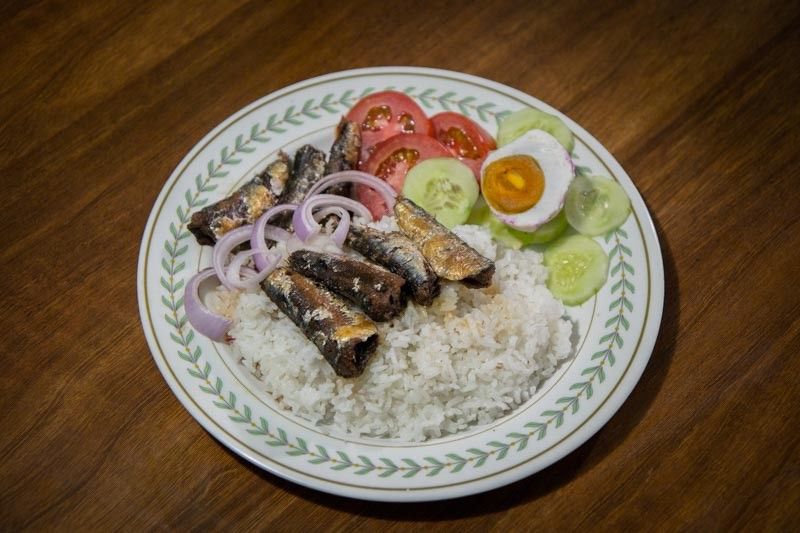
MANILA, Philippines (PCIJ) — Susan Melindo, 50, considers herself fortunate to have some side jobs, which allows her to provide food for her family amid the COVID-19 pandemic. Susan, her son, and her partner barely fit in their small house in Manila. Her partner is a tricycle driver whose income was greatly affected by the pandemic.
A Social Weather Stations survey released in September 2020 found that almost a third of Filipino families, or 7.6 million households, did not have enough food to eat at least once as the pandemic raged during the third quarter of last year. More than two million families also reported experiencing "severe hunger."
Ayuda or financial aid from friends, family or the government became literal lifelines for many as the Philippines recorded the highest number of people going hungry since 2009.
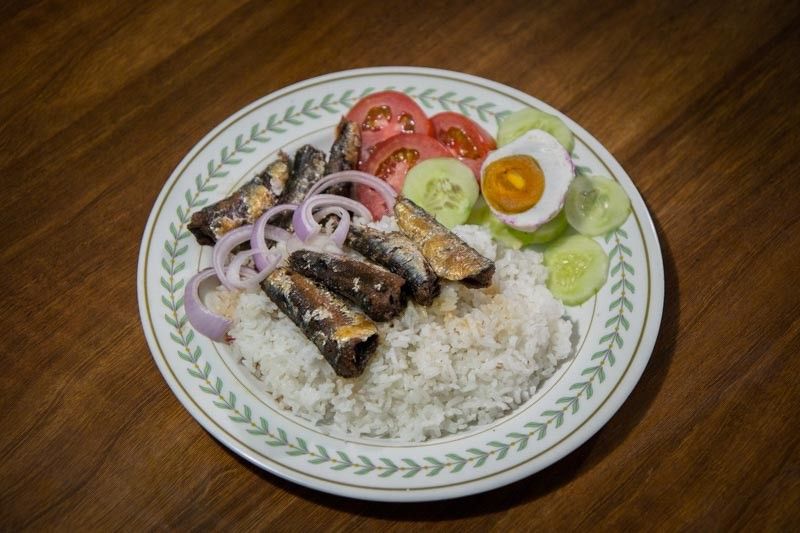
With incomes declining and basic necessities becoming out of reach, families like Susan’s have increasingly resorted to something affordable and easy to prepare – canned sardines.
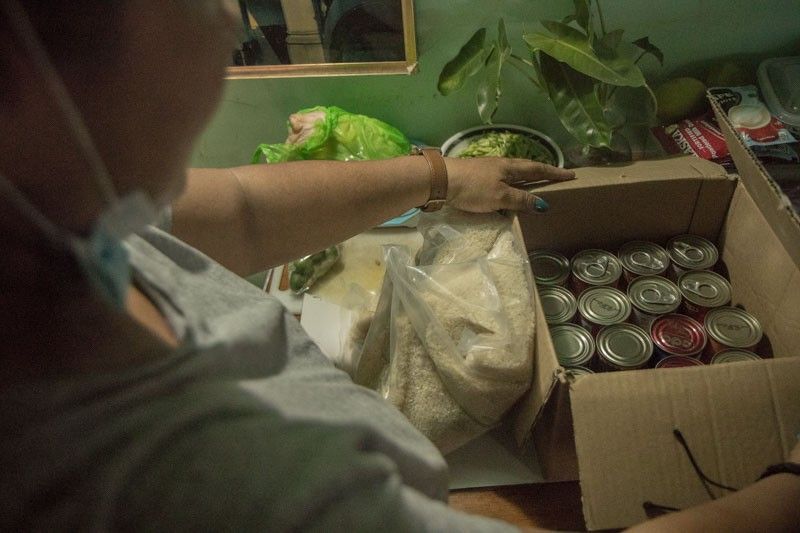
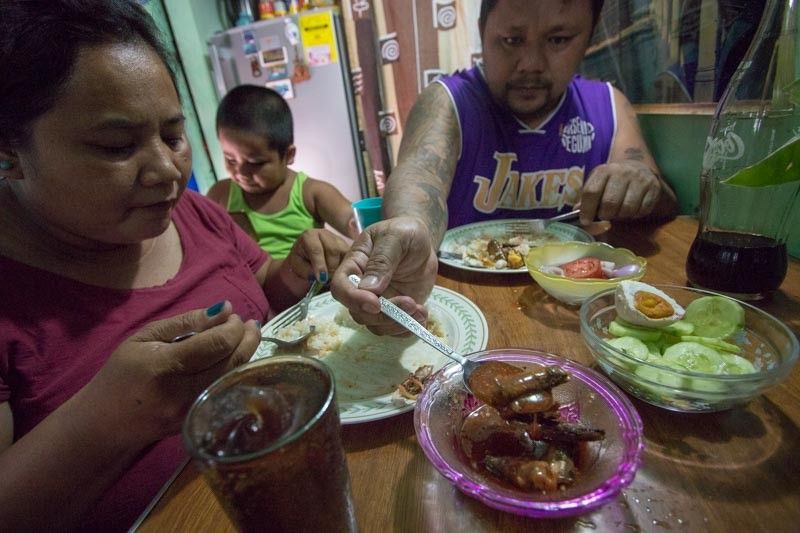
Easy to store and with a long shelf life, canned sardines can be found almost anywhere, from sari-sari or neighborhood variety stores to supermarkets. They’re also in food packs given by the government during strict lockdowns.
Canned sardines may be simple fare, but the story of how they are made is a complex one.
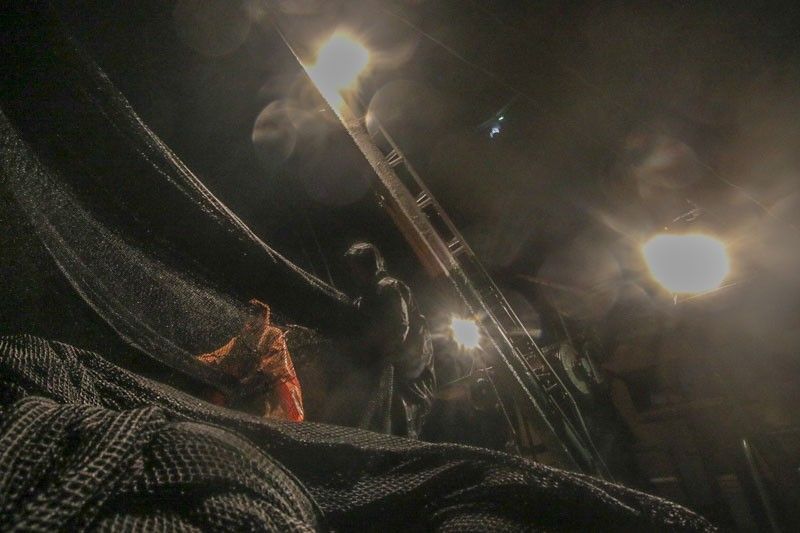
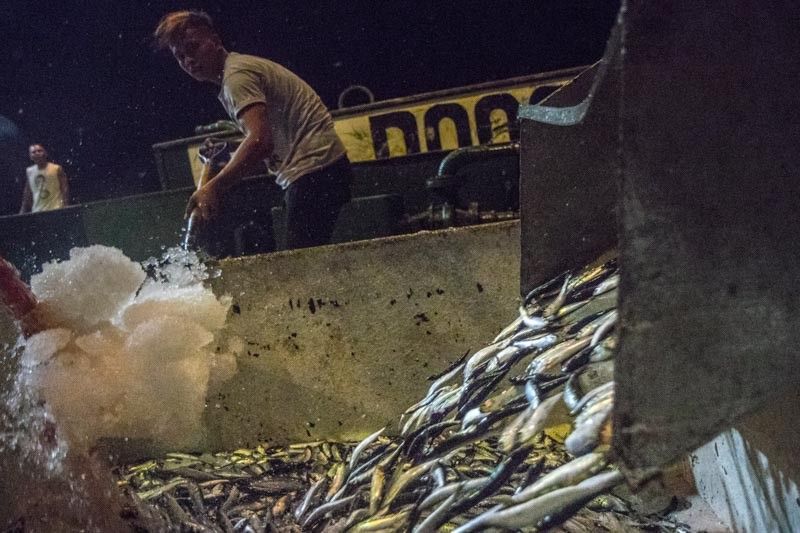
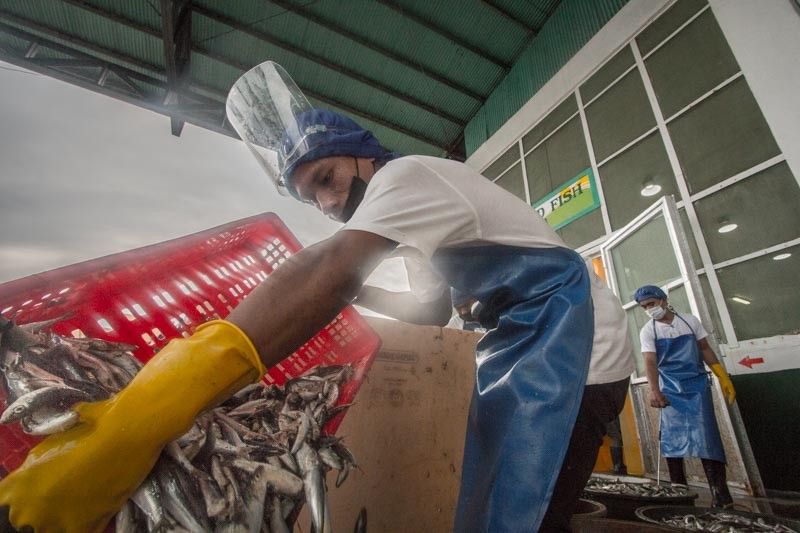
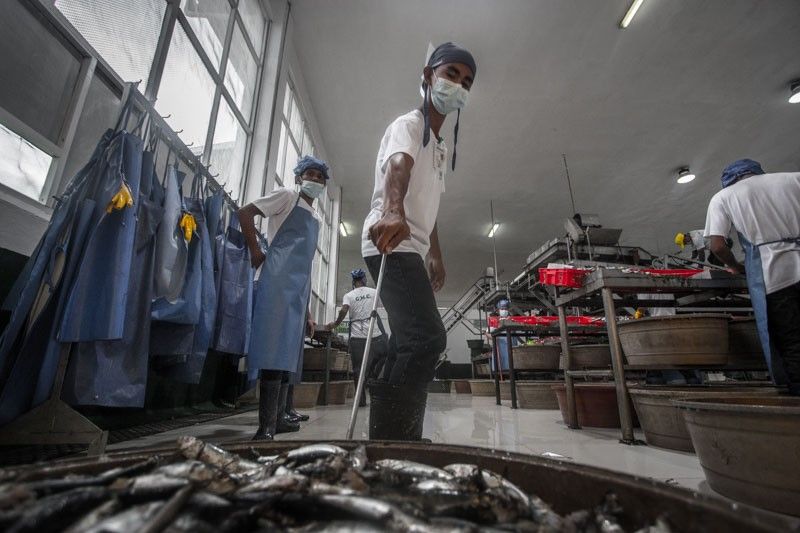
Boat crews travel long hours to fishing grounds and work non-stop in the darkest hours of the night to get a good catch. Cannery workers carry and load tons of wet and smelly sardines and stand for hours to process and can the fish so people can have a quick meal.
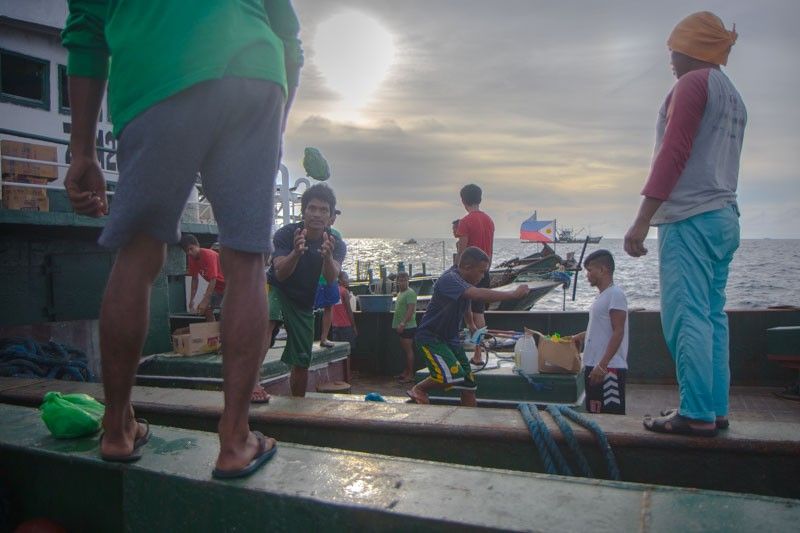
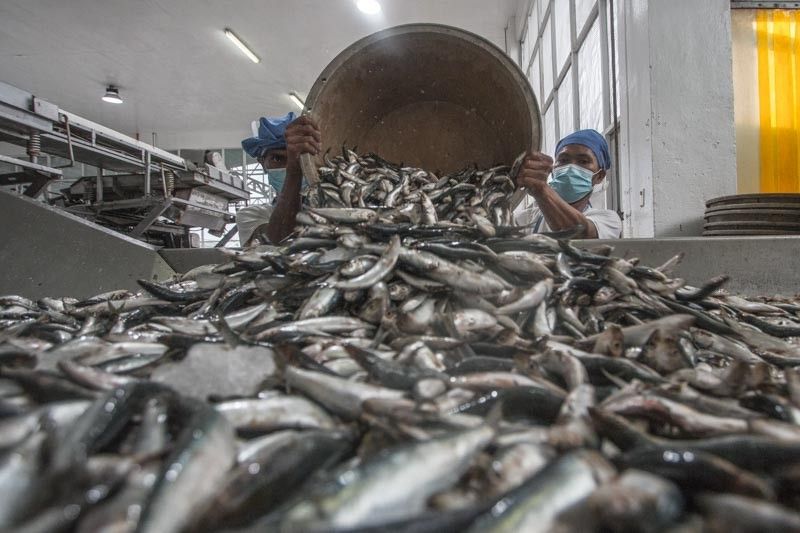
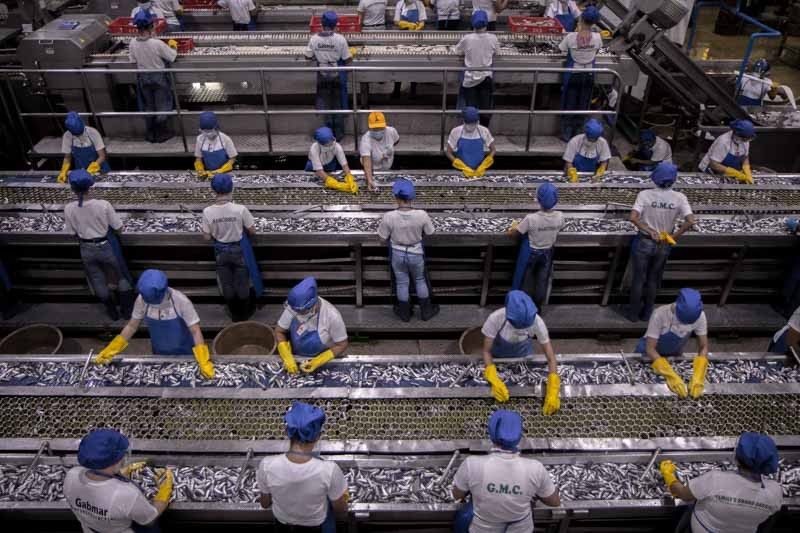
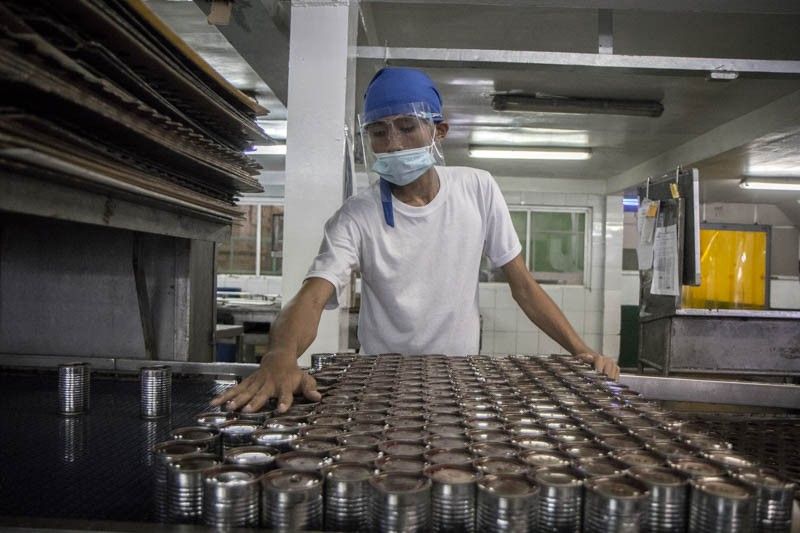
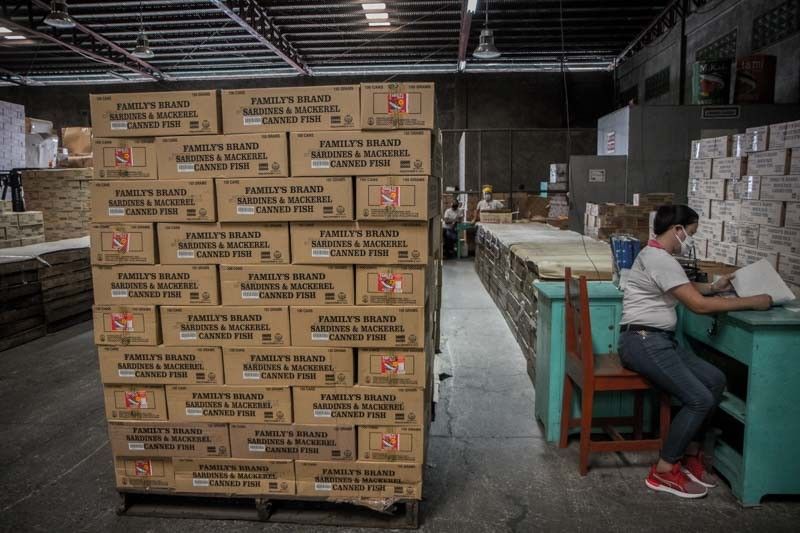
This photo essay is part of the Capturing Human Rights Fellowship Program for Visual Journalists by the Philippine Center for Investigative Journalism and Photojournalists' Center of the Philippines. EC Toledo was one of 12 fellows of the program.



- Latest


