


‘Price pressures to keep BSP on rate-hiking path’
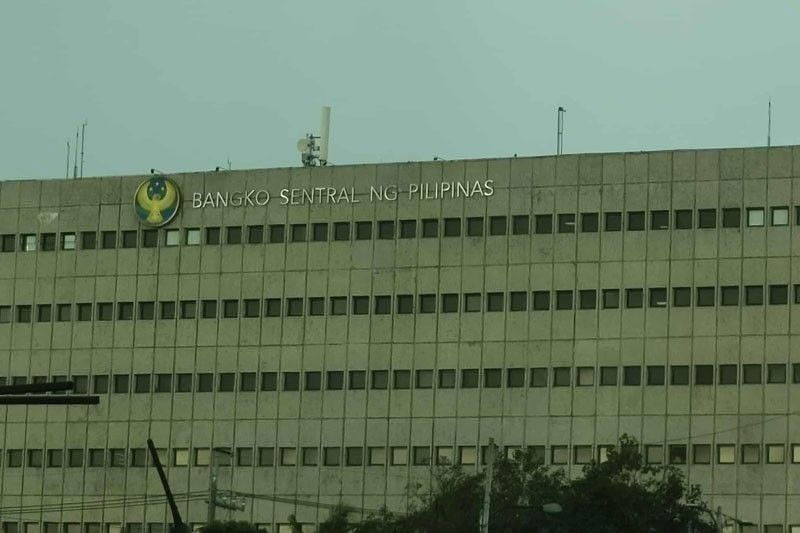
MANILA, Philippines — Headline inflation may have already peaked, but persistent underlying price pressures, wage adjustments and looming food supply risks could keep the Bangko Sentral ng Pilipinas (BSP) on a tightening path for the rest of the year, economists said.
Nomura Global Markets Research said easing oil prices should help bring headline inflation lower after it slowed for the second straight month in June. However, the continued acceleration in core inflation signals that earlier energy price increases are spreading to a broader range of goods and services.
“We believe headline inflation has already peaked, but core inflation has not, reflecting second-round effects,” Nomura economists Euben Paracuelles and Nabila Amani said.
Headline inflation eased to 6.4 percent in June from 6.8 percent in May and a peak of 7.2 percent in April. However, core inflation, which excludes volatile food and energy items, rose to 4.4 percent from 4.1 percent.
Nomura lowered its average inflation forecast for 2026 to 5.1 percent from 5.5 percent and its 2027 projection to 3.1 percent from 3.2 percent, mainly due to lower oil price assumptions.
Despite the downward revisions, the Japanese investment bank still expects the BSP to raise its policy rate by another 50 basis points this year to 5.25 percent.
The central bank has delivered two consecutive 25-basis-point hikes since April, bringing the benchmark rate to 4.75 percent.
Nomura said the BSP would likely maintain a measured approach before reversing its brief tightening cycle with a cumulative 75 basis points in rate cuts in the second half of 2027.
HSBC Global Investment Research expects a more aggressive response, forecasting another 75 basis points in rate increases by year-end, which would bring the policy rate to 5.50 percent.
HSBC senior ASEAN economist Aris Dacanay said the sharp P85 increase in Metro Manila’s daily minimum wage may not significantly lift inflation on its own as it covers only about 1.1 million of the country’s roughly 50 million workers.
However, the increase, equivalent to 12 percent for non-agricultural workers, may encourage regional wage boards to approve similarly large adjustments.
“Due to the upside surprise in wage hikes, we expect the BSP to stay on a hiking path for the rest of 2026 despite inflation being below expectations over the past two months,” Dacanay said.
HSBC also expects food inflation to accelerate to nine percent in the fourth quarter as elevated fertilizer costs affect agricultural output, while El Niño threatens food production.
Chinabank Research, meanwhile, expects the BSP to deliver one more rate hike in August as rising core inflation points to broader and more persistent price pressures.
“Key upside risks to inflation remain, which could keep the BSP on a hawkish footing,” Chinabank said.
The bank estimated that the Metro Manila wage increase alone could add around 0.19 percentage point to headline inflation. Should other regions approve a more modest six-percent increase, this year’s wage adjustments could add a total of 0.44 percentage point to inflation over the next one to two years.
Chinabank also flagged a potentially strong El Niño and the rollback of government support measures as major risks. The suspension of excise taxes on selected fuel products is set to expire this month unless extended, while the second tranche of toll increases for the South Luzon Expressway and the Southern Tagalog Arterial Road took effect in July.


- Latest
- Trending


