Bankers see slower loan growth amid weak demand, borrower stress

MANILA, Philippines — Philippine banks may see slower loan growth as weak economic activity dampens borrowing demand and elevated interest rates put pressure on some borrowers, according to the Bankers Association of the Philippines.
BAP president Ana Aboitiz Delgado said lending could moderate as both banks and borrowers turn more cautious amid challenging economic conditions.
“I think loan growth will probably be a little bit slower as you can expect in a slower economy,” Delgado told reporters.
She said the slowdown would reflect not only tighter lending conditions but also subdued demand from businesses and consumers.
“Some of it is deliberate and some of it is just that there’s not a lot of demand right now,” she said.
Bank lending measures credit extended to businesses and households, which supports investment, consumption and broader economic activity.
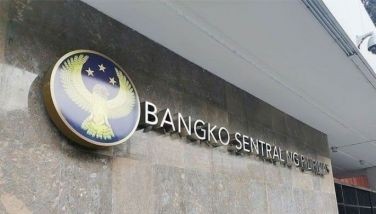
The outlook comes even as the latest Bangko Sentral ng Pilipinas (BSP) data showed credit growth accelerated to 11.4 percent in September from 11 percent in August, with outstanding loans reaching P15.27 trillion.
The BSP has raised its benchmark interest rate to 5.50 percent following a larger-than-expected 50-basis-point hike in October to contain persistent inflation. Higher policy rates generally make borrowing more expensive and can weigh on loan demand.
Delgado acknowledged emerging signs of financial strain among borrowers, although she stressed that conditions vary across lenders and market segments.
She noted that some corporate borrowers remain resilient despite softer economic conditions.
Meanwhile, Delgado, president and CEO of Union Bank of the Philippines, said the Aboitiz-led lender continues to expect double-digit loan growth this year, although she declined to provide a specific target.
She said UnionBank has no immediate plans to reduce its exposure to consumer lending, citing improving credit quality within its portfolio.
“Our consumer (lending) is still growing quite well,” Delgado said.
Consumer loans accounted for 62 percent of the UnionBank’s total loan book, nearly three times higher than the industry average.
The bank’s gross nonperforming loan ratio, which measures the share of loans with overdue payments, improved to 6.56 percent, while its loan-loss coverage ratio rose to 75.77 percent.
The lender reported a 53-percent increase in net income to P9.9 billion in the first nine months of 2026, supported by stronger interest earnings and fee-based income.
She said banks manage foreign exchange volatility differently depending on their dollar exposures, while a weaker peso could also boost the local purchasing power of dollar remittances.
Delgado added that the industry remains prepared to support stronger lending once economic conditions improve.



- Latest
- Trending