‘Long-term LNG deals to cut Philippines power costs’
MANILA, Philippines — Japanese utility giant Tokyo Gas is urging the Philippines to lock in more long-term liquefied natural gas (LNG) contracts to shield consumers from price volatility driven by global supply chain disruptions.
Tokyo Gas Asia Pte. Ltd. CEO Yumiko Yao said relying on spot LNG purchases leaves the Philippines more exposed to price fluctuations than multi-year supply arrangements.
“You have been buying spot (LNG supplies), which are very expensive right now. But if you have a long-term contract, the volatility is manageable,” Yao told The STAR.
She, however, said gas importers need assurance of sustained demand before committing to long-term LNG purchases. This would require gas-fired facilities to sign power purchase agreements (PPAs) with distribution utilities.
As such, Tokyo Gas has conveyed to the government the need to consider more PPAs and mechanisms to share the risks of long-term LNG procurement among importers, generators and consumers.
“And I’m so happy that the DOE (Department of Energy) has been very open,” Yao said.
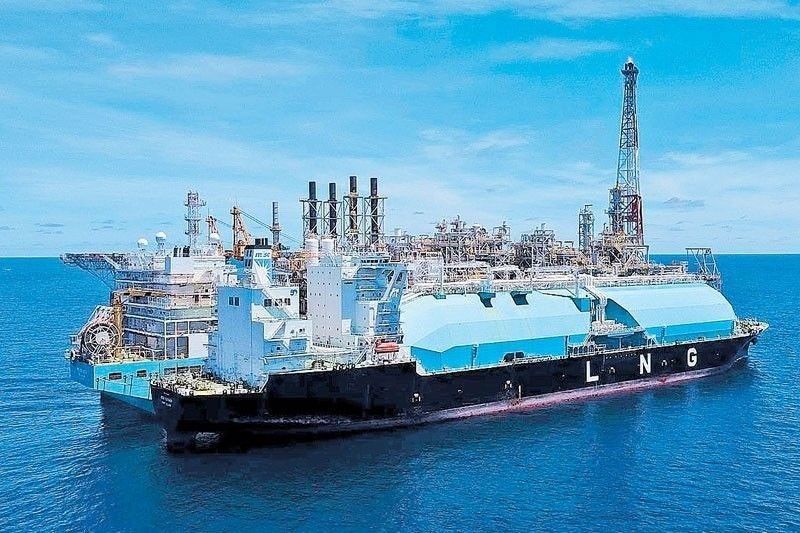
Tokyo Gas is among the world’s largest buyers of LNG. It holds a 20-percent interest in an offshore LNG terminal in Batangas, which tycoon Enrique Razon Jr.’s Prime Infrastructure Capital Inc. now operates.
Yao said Tokyo Gas could pursue more partnerships with Prime Infra and Lopez-led First Gen Corp. These could include expanding the existing LNG terminal or investing in gas-fired power plant projects.
The LNG terminal complements indigenous natural gas from the Malampaya field in supplying major power plants in Batangas.
Prime Infra took control of the facility after acquiring a 60-percent stake from First Gen, which retained a 20-percent interest.
Donnabel Kuizon Cruz, president and CEO of Prime Infra unit Prime Midstream, has emphasized that both indigenous gas and imported LNG play a vital role in strengthening the country’s energy security.
Meanwhile, Energy Secretary Sharon Garin highlighted the complementary role of natural gas in advancing the country’s energy transition.
“Natural gas gives our grid the firm and flexible power it needs while we make that transition,” Garin said in a statement yesterday.
Currently, natural gas accounts for roughly 14 percent of the country’s energy mix, while coal continues to dominate at around 60 percent.
Under the Philippine Energy Plan, the government aims to scale up the share of renewables in the mix to 35 percent by 2030 from the current 25 percent.







- Latest
- Trending