How SE Asia can rise above the Mideast crisis
Diversification
BANGKOK – Crisis after crisis has tested Southeast Asia. Oil shocks, financial meltdowns and a global pandemic have all left their mark.
Now, another oil crisis is putting the region’s energy security to the test and raising the stakes for what comes next.
For Malaysian state-owned energy giant Petronas, the way forward starts with one word: diversification.
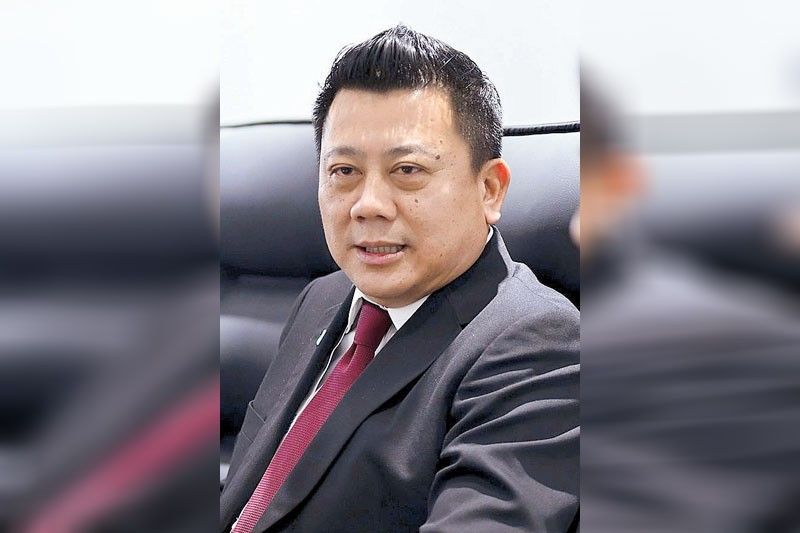
Petronas LNG Ltd. CEO Rosdi Ab Rahman said countries need to build more diversified and resilient energy portfolios to better navigate the ongoing Middle East crisis and reduce their exposure to supply disruptions.
“It doesn’t mean it’s only applicable to the producers or sellers. A resilient portfolio could also mean that there’s also a responsibility for the importing country,” Ab Rahman said in an interview here in Thailand’s capital.
That means looking beyond a single source of supply and strengthening the network of relationships, infrastructure and arrangements needed to keep energy flowing when global markets are disrupted.
Liquefied natural gas (LNG), in particular, will remain an important part of that equation, Ab Rahman said.
He expects LNG demand across the region to continue rising, driven by growing electricity needs.
More importantly, the Petronas executive said that strengthening regional LNG supply could help Southeast Asia build greater resilience by giving countries access to sources closer to home.
When the global oil crisis erupted in late February, geopolitical tensions disrupted global supply chains, effectively closing the strategic Strait of Hormuz – a narrow waterway that typically handles roughly 20 percent of the world’s oil and gas supplies.
Before the crisis, around 60 percent of Southeast Asia’s crude oil imports and a third of its gas imports were coming from the Middle East, according to the International Energy Agency (IEA).
In the Philippines alone, the disruption has dealt a heavy blow to the energy sector, contributing to persistently high fuel and electricity prices.
“The crisis is prompting a reassessment of policy and investment strategies amid a strong prioritization of energy security,” the IEA said.
Against this backdrop, Ab Rahman said Petronas is ready to supply LNG to the Philippines and the rest of Southeast Asia.
“We are also diversifying on behalf of our customers,” he said, noting that the company is expanding beyond its original base in Malaysia.
Ab Rahman also identified infrastructure readiness as another critical piece of the region’s energy security puzzle, particularly as countries seek to expand their ability to import LNG.
“Without infrastructure, I think countries will not be able to receive LNG today,” he said.
“So these are the things that may require a lot of support between countries in Southeast Asia to see how best this infrastructure readiness can be accelerated so that the demand can be fulfilled.”
The ongoing Middle East crisis has exposed just how vulnerable Southeast Asia remains to disruptions far beyond its shores.
The challenge now is to build an energy system that is more diversified, better connected and resilient enough to keep the region moving when the next global oil shock comes.





- Latest
- Trending