SRA tightens imports of artificial sweeteners
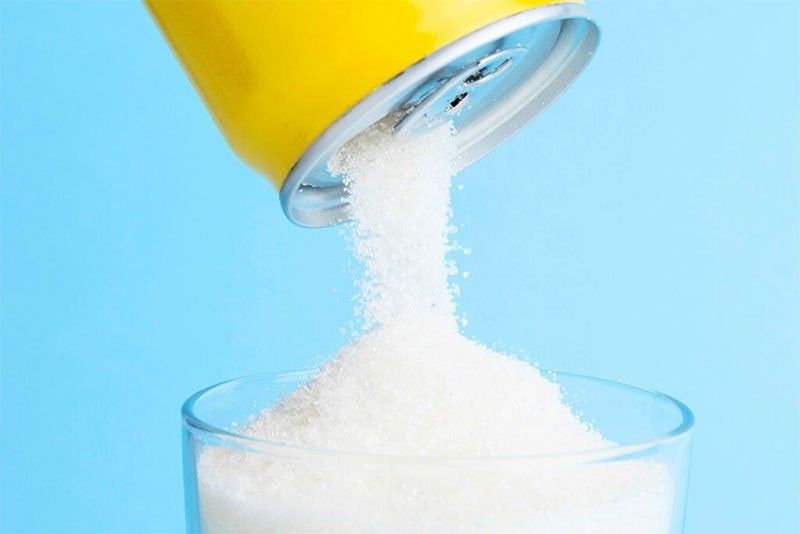
MANILA, Philippines — The Philippines has tightened its importation policy on artificial sweeteners amid growing concerns from the sugar industry over their continued threat to local producers.
The Sugar Regulatory Administration (SRA) now requires all imports of artificial sweeteners to have a clearance for release under Sugar Order 5, dated Aug. 8.
All applicants must now pay P25 per kilo in release fees, along with submitting their letters of application, bill of lading, commercial invoices, packing list and the certificate of origin and analysis for the release of the imported product.
The regulator said importers or consignees of the imported goods, products and ingredients must be a duly registered international trader of sweeteners with the SRA at the time of the application for clearance for release.
“No applications for clearance for release shall be accepted for processing unless all requirements are duly complied with,” the SRA said.
Covered sweeteners include sucralose, aspartame, saccharin, acesulfame potassium and processed stevia in any form or concentration.
The products are commonly used in the manufacture of beverages, concentrates, ice cream, coffee/tea mixes, sugar substitutes, food preparation and supplements.
The regulator said sugar industry stakeholders have expressed grave concern on the effects of unregulated artificial sweeteners on the local industry’s sustainability.
“Despite the substantial impact of artificial sweeteners on the welfare of the sugar industry and the more than five million Filipinos dependent thereon as well as on the health of the consuming public, the importation into the country of artificial sweeteners remains unregulated,” the SRA said.
The agency stressed that artificial sweeteners have a sweetness level that could reach up to 500 times more than cane sugar, making it vital to weigh its impact on both the sugar industry’s competitiveness and the health of Filipinos.
Various industry groups have raised the issue with the SRA and the Department of Agriculture, noting that unregulated imports of artificial sweeteners have dampened demand for locally produced sugar.
The groups argued that the use of artificial sweeteners and sugar alternatives has caused a drop in the farmgate prices of locally produced cane sugar, resulting in lower incomes for planters and millers.




- Latest
- Trending