


Philippines launches fresh global bond offer
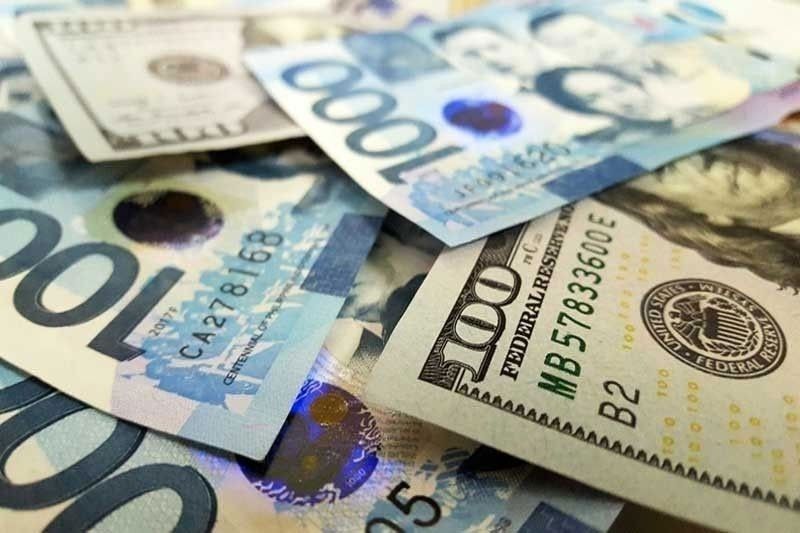
MANILA, Philippines — The Philippines is tapping the global bond market for the second time this year, launching a fresh triple-tranche dollar-denominated global bond offering, supported by an investment-grade rating from Moody’s Ratings.
In a statement, the Bureau of the Treasury (BTr) announced the offering of dollar-denominated fixed-rate securities consisting of 5.5-year, 10-year and 25-year tranches.
The longest tranche will be a tap of the existing 5.75-percent dollar bonds issued in January 2026 and due in 2051.
Initial Pricing Guidance was announced at plus 85 basis points over US Treasuries for the 5.5-year tranche, T-plus 125 bps for the 10-year tranche and 6.1 percent for the tap of the 2051-dollar bonds.
The bonds were expected to be priced late last night and settled on June 24.
This followed the first foray in the global debt market with the triple-tranche issuance of $2.75 billion in January this year, a dual-currency issuance of $2.25 billion and €1 billion in January 2025 and a $2.5-billion triple-tranche offering in August 2024.
Finance Secretary Frederick Go said the issuance reflects the government’s continued pursuit of prudent fiscal management and broader development agenda.
“Against the backdrop of encouraging developments in global markets, we are confident that our policy direction will continue to be well received by the international investment community,” Go said.
He also said that the national government remains committed to fostering strong and inclusive socioeconomic growth.
National Treasurer Sharon Almanza said the Philippines’ return to the international capital markets “comes at an opportune time, amid improving market sentiment and favorable global developments.”
“This transaction reflects our prudent and proactive approach to financing, allowing us to secure funding efficiently while supporting the national government’s priority programs and development objectives,” Almanza added.
The BTr said the global bonds are expected to carry investment-grade ratings of Baa2 from Moody’s, BBB+ by S&P Global Ratings and BBB by Fitch Ratings.
In a separate report, Moody’s assigned senior unsecured ratings of Baa2 to the government’s global bond offerings, to be drawn from its existing shelf program, including tranches maturing in 2031 and 2036.
Moody’s said the bonds will “constitute direct, unconditional and unsubordinated obligations of the Government of the Philippines” and “rank pari passu with all of the issuer’s current and future senior unsecured external debt obligations.”
The credit rating agency said the proceeds from the bonds are intended for general purposes, including budgetary support and the repayment of a portion of the government’s borrowings.
The ratings “mirror the Government of the Philippines’ issuer rating of Baa2,” it said.
Moody’s said the rating is backed by the country’s high economic growth potential and fiscal metrics that are broadly in line with similarly rated peers.
“The government has strong access to domestic and international funding markets and ample foreign-currency reserves to weather global capital flow volatility,” it said.
However, it flagged downside risks from the Middle East conflict to the country’s economic outlook by lifting global energy prices and external cost pressures.
Meanwhile, Go said the government would also issue Retail Treasury bonds (RTBs) this year.
“We are closely monitoring market conditions and assessing the appropriate timing for a potential retail treasury bond offering. We may be issuing retail Treasury Bonds in the second half of the year,” Go told reporters.
The government last offered RTBs in August last year, where it raised P507.16 billion, exceeding nearly 17 times the P30-billion target.
“So, any decision regarding any issuance will take into account prevailing market developments and the government’s financing requirements,” he added.
Go noted that the US and Iran have declared a ceasefire that resulted in interest rates coming down.
“If the ceasefire holds, then I think it will give us a lot of optionalities on what to borrow, how much to borrow and where to borrow from,” he added.
According to Go, the Marcos administration is hopeful that the ceasefire would hold to keep inflation and interest rates down, allowing the state to borrow at lower interest rates.


- Latest
- Trending


