


‘BSP may raise rates by 25 basis points’
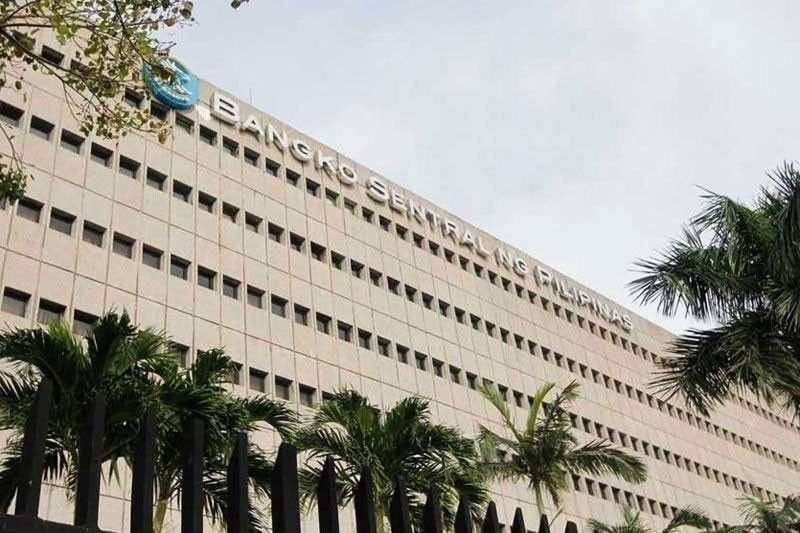
MANILA, Philippines — The Bangko Sentral ng Pilipinas (BSP) may still deliver another rate increase this week as an “insurance hike,” but easing inflation expectations and weak economic growth could give monetary authorities room to pause, according to the Philippine Bank of Communications (PBCOM).
In an interview with Money Talks, Dino Aquino, vice president and head of fixed income at PBCOM Treasury, said the Monetary Board faces a difficult balancing act as inflation remains elevated even as growth has slowed.
“I think the safe answer is it will raise by 25 basis points,” Aquino said. “But if you ask me, I’m not ruling out the hold quite yet.”
The Monetary Board is set to meet on Thursday, June 18, after inflation eased to 6.8 percent in May from 7.2 percent in April. While the latest print was slower than market expectations, price growth remained above the BSP’s two to four percent target.
The BSP raised its benchmark rate by 25 basis points to 4.50 percent in April, its first tightening move since October 2023, as it sought to prevent supply-driven price pressures from spilling over to broader inflation expectations.
Aquino said a pause is still possible because inflation expectations have softened compared with earlier fears that price growth could accelerate further.
“If you recall, the month-on-month change from last month is -0.6 percent,” Aquino said. “So if you just consider prices in oil this month compared to last month, it’s actually lower. And the fuel rebate also takes effect this month.”
“So moving forward, inflation expectation is actually lower compared to that of two months ago, where inflation expectations were actually quite high, and everyone’s talking about the double-digit inflation print, which I’m also not a fan of,” he said.
Aquino said the BSP also has to consider the impact of tighter monetary policy on growth, especially as the Philippine economy relies heavily on household consumption.
“Our consumer spending is like 75 percent of our gross domestic product,” he said. “So if you raise rates too high, or if the policy rates are too high, the demand will definitely drop,” he said.
According to Aquino, inflation at this stage is largely being driven by supply-side pressures, particularly oil and other cost factors, rather than excess demand.
The economy grew by only 2.8 percent in the first quarter, well below the government’s full-year target and market expectations, as elevated prices, higher borrowing costs and external uncertainty weighed on activity.
Aquino said a recent market rally following reports of a US-Iran peace deal was largely a knee-jerk reaction, as investors moved quickly to price in reduced geopolitical risks.
However, Aquino said the rebound does not immediately change the growth picture.
“I don’t think consumer spending will drastically jump just because there was a peace deal,” he said. “At the end of the day, oil prices are still very much elevated.”
For the peso, Aquino said the local currency has recovered significantly from its weakest levels, but volatility could remain high.
“There’s still that risk that the (peso) might still go back to 61 or about 61.50 (against the dollar) maybe,” he said. “But it’s all fluid. Everything’s fluid.”
He said investors should remain cautious across asset classes, even after the sharp rally in equities.


- Latest
- Trending


