


Philippines exports fresh pineapples to UAE
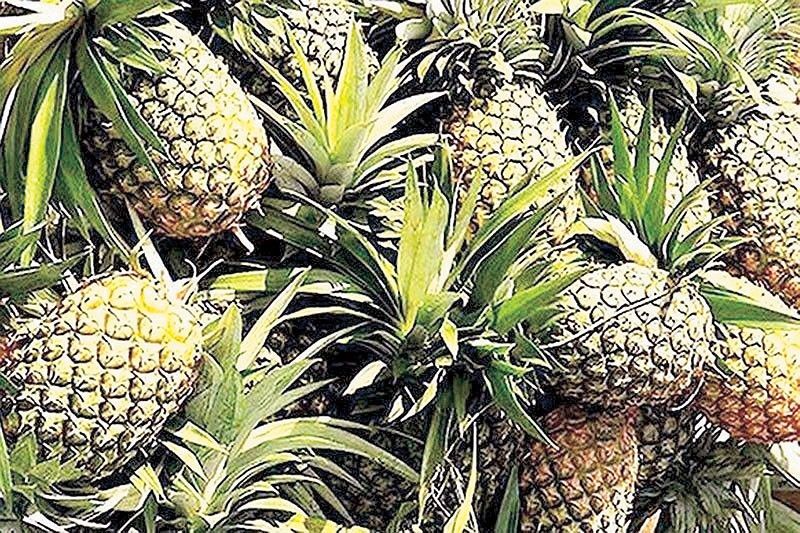
MANILA, Philippines — The country has reopened the export of fresh pineapples to the United Arab Emirates (UAE) despite current shipping bottlenecks affecting the region, according to the Department of Agriculture (DA).
The DA said a shipment of 18 metric tons or 1,500 boxes of fresh MD2 pineapples were shipped to the Khorfakkan Port in the UAE on June 6, as part of the agency’s move to expand the market for the country’s tropical fruits.
The pineapples were sourced from Tampakan, South Cotabato and are expected to arrive by June 25 or 26.
The agency said that the shipment pushed through despite ongoing logistical disruptions and higher freight costs due to the ongoing Red Sea crisis.
“The entry of fresh Philippine pineapples into the United Arab Emirates via commercial shipping vessel despite severe logistical bottlenecks reopens vital pathways into the Middle Eastern market,” the DA said.
Agriculture Secretary Franciso Tiu Laurel Jr. said the initial shipment was a strategic step in expanding the country’s overseas market for farm goods and providing better benefits for farmers.
“Every box of Philippine produce that reaches a new or existing market represents more income for farmers, more jobs for workers, and more value created at home. That is why we are aggressively pursuing new export opportunities for Philippine agriculture,” he said.
The Philippines and the UAE earlier signed a free trade agreement which widens market access for Philippine goods to enter the Middle Eastern country.
The agency has been pushing to expand market access for Philippine agricultural products as part of the government’s goals on narrowing the country’s farm trade deficit, which reached $11.1 billion in 2025.
The DA said that move could increase export earnings, reduce the country’s dependence on imported food and improve the overall balance of agricultural trade.
The Philippines has retained its place as the second largest exporter of pineapples in 2025, with shipments reaching 775,028 MT or a 14 percent increase from 2024, according to the United Nations Food and Agriculture Organization.


- Latest
- Trending


