‘UAE exit from OPEC may reduce oil prices’
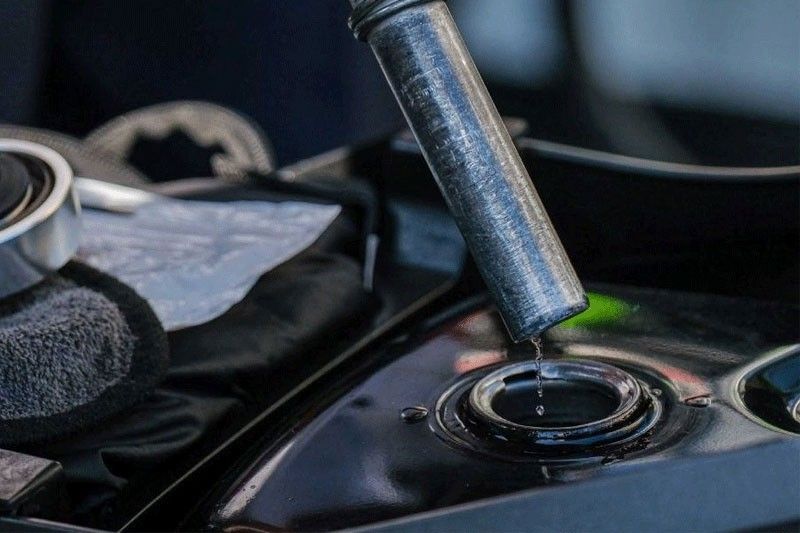
MANILA, Philippines — The United Arab Emirates’ shocking decision to quit OPEC could work in the Philippines’ favor as the move may drive global oil prices down, industry experts told The STAR yesterday.
Former energy undersecretary Jay Layug said the impact of the exit on pump prices depends on how the UAE will operate in the international oil market.
“If it will produce more supply without following the output limits of OPEC production and offer reduced prices to capture a bigger chunk of the market, then it may be good for the Philippines,” Layug said.
The UAE announced on Tuesday that it would withdraw from OPEC and the wider OPEC+ framework, a development expected to weaken the influence of the cartel and its leader Saudi Arabia.
OPEC or the Organization of Petroleum Exporting Countries, currently consisting of 12 members, was founded to regulate production and manage oil prices by adjusting supply levels.
“The UAE’s departure from OPEC and OPEC+ effectively ended its nearly six decades of membership and removed the organization’s third-largest producer from the quota framework,” Jetti Petroleum president Leo Bellas said.
Bellas said this could exert upward pressure on prices in the short term as losing the UAE’s volumes from the cartel removes a key buffer, especially with global spare capacity already at record lows due to the ongoing Middle East war.
In the medium term, however, the move is expected to ease prices as the UAE gains more flexibility to respond to market dynamics and increase production as needed, he added.
While Saudi Arabia remains the dominant force in OPEC, the UAE has long been a significant player in the group, holding the second-largest spare production capacity.
Spare capacity, as defined by the Energy Information Administration, is the volume of output that can be brought quickly to address major crises.
“If the UAE becomes an independent oil exporter, it now won’t be constrained by OPEC quotas and can now sell more oil to the world market if it wants to. This may mean lower oil prices in the future in the global market,” Peter U of the University of Asia and the Pacific said.
Although the UAE is a key OPEC player, Top Line senior vice president and COO Brigitte Carmel Lim said the exit is “more of a market signal than an actual supply change.”
“The main question is whether they will increase output independently, which could soften prices, but that’s still uncertain,” Lim said.
For the Philippines, she added, pump prices will still follow global benchmarks with the usual one- to two-week lag.
This week, diesel and kerosene prices declined by at least P12.94 and P15.71 per liter, respectively, while the cost of gasoline rose by as much as P0.53 per liter.
“For now, worries about supply constraints from the closed Strait of Hormuz are keeping prices elevated and outweighing concerns on the bearish effects of the UAE’s departure from OPEC and OPEC+,” Bellas said.


- Latest
- Trending